


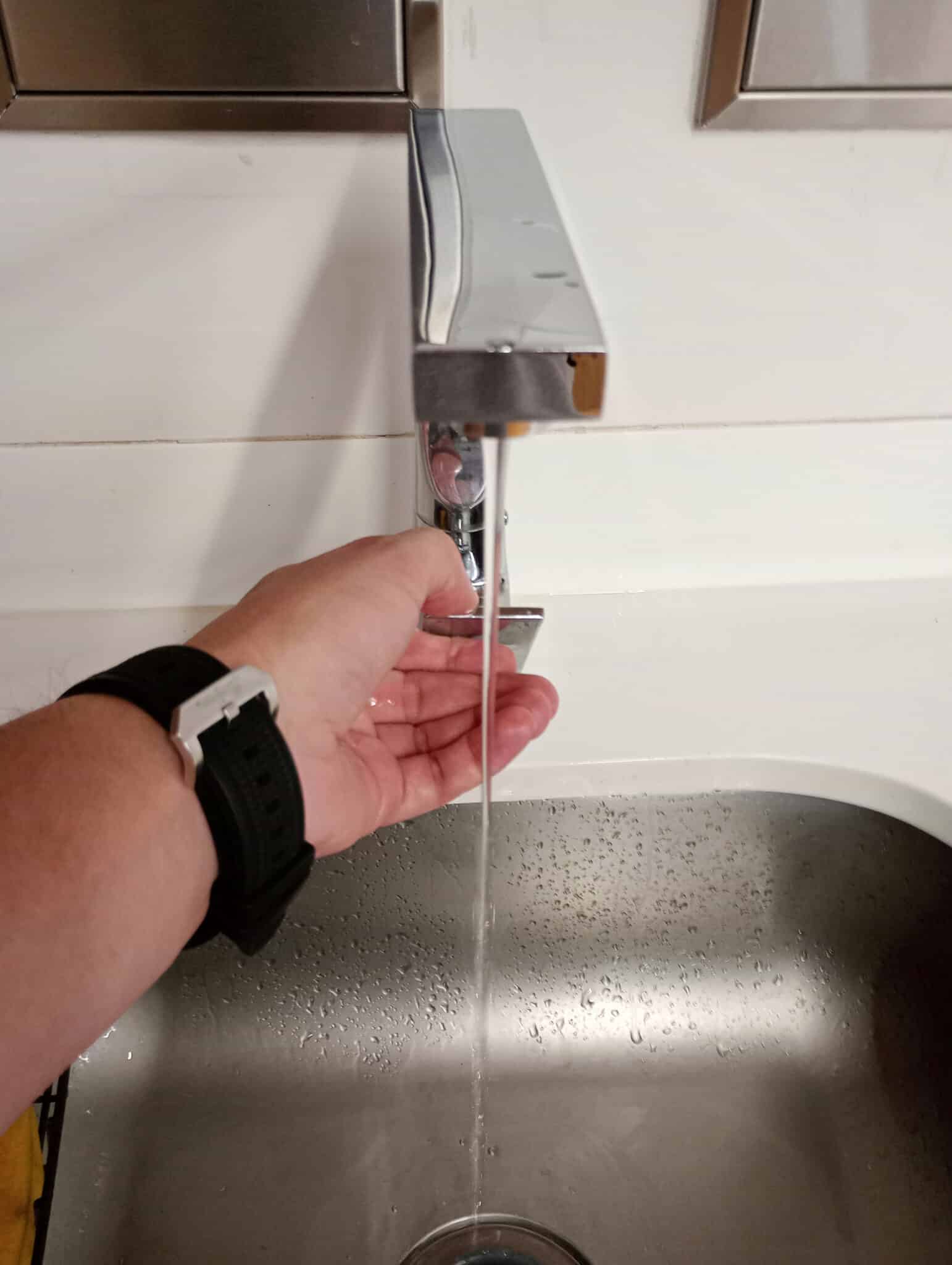
Key Takeaways About Water Pressure Changes
Water pressure changes means a sudden drop or surge in household water flow caused by fixtures supply or equipment. This summary is for homeowners and property managers who notice pressure swings and need guidance on when to act.
- Identify whether the issue affects one fixture or the whole house.
- Prevent damage by documenting timing sounds and visible leaks.
- Avoid worsening issues by checking shutoffs and cleaning aerators.
- Spot municipal causes by noting nearby street work or discoloration.
- Reduce recurrence with water quality testing and targeted repairs.
- Plan professional diagnostics using pressure gauges isolation and camera inspection.
Introduction
Sudden water pressure changes can turn a normal morning into a messy, stressful problem. In many homes the change is obvious when faucets sputter or showers drop to a trickle. Pressure swings may signal a hidden leak, a failing pressure-reducing valve, or a municipal supply issue. Homeowners should recognize that intermittent pressure affects appliances and can cause leaks to worsen over time.
Inside the house, fixtures and supply lines often cause the most noticeable pressure shifts. Mineral buildup in aerators and showerheads can restrict flow and create uneven pressure. A worn shutoff valve or a faulty pressure-reducing valve can also produce sudden drops or surges. Observing where and when pressure changes happen gives clues about the underlying cause.
Supply-side problems can also create abrupt changes in water flow for entire properties. Main line repairs, flushing of the distribution system, or a failing municipal pump can reduce or spike pressure without any work inside your home. Low pressure that coincides with street work or unusual timing may point to the public supply rather than private plumbing. For properties in Alcoa, Tennessee these same supply issues can show similar patterns.
Not every pressure change requires immediate emergency service but some do involve real risk to plumbing and appliances. Repeated surges can stress joints and cause pinhole leaks in copper or fittings to fail. Visible signs like water stains, new damp spots, or consistent loss of pressure during certain times indicate a professional inspection is advisable. Acting before damage grows helps avoid larger repairs and potential water damage.
How Municipal Supply Issues Cause Pressure Fluctuations
Municipal supply issues are problems in the public water system that create sudden water pressure changes inside a home.
- Mainline breaks reduce pressure across a neighborhood.
- Planned flushing can temporarily cause spikes or low flow.
- Pump failures at a booster station lower supply pressure.
- Valve work or isolation of sections changes local pressure patterns.
When a main break or pump issue occurs, homeowners often notice drops at multiple fixtures at once. A common homeowner question asks whether the utility is responsible, and yes, the utility controls supply pressure for the whole street. If pressure falls only at one house, the cause likely sits on the private side rather than with city mains. For properties in Alcoa, Tennessee similar municipal activities can show the same patterns.
Professionals diagnose supply problems by checking pressure at the meter, reading the pressure gauge, and comparing house readings to the street side. They may observe pressure during peak use and when crews are working on the system to correlate timing. If readings show normal street pressure but low house pressure, the technician inspects the pressure-reducing valve and shutoffs next. Homeowners concerned about damaging surges should review guidance on high water pressure for next steps.

Why Old Pipes And Corrosion Reduce Flow
Old pipes reduce flow because internal corrosion narrows the pipe bore and restricts water movement through the system. Corrosion produces rough surfaces and mineral flakes that increase friction and slow flow at normal household pressures. Galvanized steel and older iron pipes are most prone to heavy buildup that lowers effective diameter over time. Homeowners may notice lower flow that worsens steadily rather than in sudden steps.
Corrosion can also create partial blockages where scale or rust detaches and lodges at fittings or valves, causing intermittent pressure changes inside the home. Those particles often settle at elbows, tees, and the pressure-reducing valve inlet, creating unpredictable drops. A homeowner might see sputtering at taps when the flow momentarily clears a blockage. For properties in Alcoa, Tennessee similar material-age issues can affect older plumbing the same way.
Professionals diagnose reduced flow from aged pipes by measuring static and dynamic pressure, inspecting visible pipe runs, and testing water for iron or sediment. They may attach a pressure gauge at the main, run multiple fixtures, and record pressure changes to isolate private-side restrictions. Technicians often use a camera or remove sections to check internal condition when visual access is limited. Recorded readings and photos help decide whether pipe replacement or targeted cleaning will restore reliable flow.
If corrosion is confirmed, options include replacing affected sections with modern materials or using localized repairs when appropriate to reduce disruption. Upgrading to copper or PEX restores full bore and reduces future buildup risk while minimizing pressure loss. Homeowners in Knoxville, Tennessee should consider the long-term benefits of replacement when corrosion causes repeated flow problems or damages fittings. For guidance on reducing the effects of restricted supply and planning corrective work, see the resource on reducing water pressure issues.
How Clogged Fixtures Lead To Pressure Drops
Clogged fixtures often start at the point of use where aerators, cartridge valves, or showerheads collect mineral scale and debris. Reduced openings inside an aerator or cartridge increase resistance and cause noticeable water pressure changes at that fixture. Homeowners may hear sputtering or see uneven spray patterns when flow struggles through partial blockages. A quick visual check of removable parts often reveals scale or trapped sediment causing the restriction.
Debris can lodge deeper in supply lines or at valve seats, so removing an aerator does not always fix the issue permanently. If pressure improves when the faucet is fully open, a clogged cartridge or internal seat may be present and need cleaning or replacement. Professionals confirm the diagnosis by isolating the fixture, testing supply-side pressure with a gauge, and removing the fixture to inspect internal components. They may also run a dye test or flush the branch line to observe whether sediment clears or returns.
Showerheads and tub spouts commonly hide scale that reduces flow unevenly during use and creates sharp drops when multiple fixtures operate. In homes in Knoxville, Tennessee heavy scale deposits accelerate blockage at these fittings, producing fluctuating flow that users notice mostly during showers. A technician will often remove the showerhead, inspect the spray plate, and check the diverter valve for trapped particles. When internal parts show wear, replacement restores consistent spray and prevents recurring drops in pressure.
Sediment and debris can also affect pressure-reducing valves, check valves, and household shutoffs by seating improperly and throttling flow. If a PRV or stop valve shows signs of blockage, a plumber may clean the inlet screen or recommend hardware replacement to prevent future water pressure changes. Upgrading to a modern PRV or installing easily serviceable shutoffs can reduce repeat clogs and simplify maintenance. For details on replacement options and when an upgrade makes sense, read about pressure-reducing valve upgrades that suit typical household systems in Alcoa, Tennessee.
Why Water Heater Problems Affect Cold And Hot Pressure
Sediment and scale inside a water heater can change both hot and cold supply pressures by restricting the unit’s inlet or outlet passages. When sediment accumulates at the tank’s cold-water dip tube or near the outlet fitting, the heater resists flow and lowers hot water pressure at fixtures. A failing internal mixing valve or thermostatic crossover can also reduce hot-side pressure and allow warm water into the cold lines. Homeowners may notice temperature shifts alongside pressure changes when the heater’s internal parts stop isolating properly.
- Listen for rumbling during heat cycles.
- Smell sulfur or rotten-egg odors from hot taps.
- Check for sputtering when hot water starts.
- Watch for unequal pressure between hot and cold taps.
A technician diagnosing these issues first isolates hot and cold supplies and measures pressure with a gauge at both lines. They may drain a portion of the tank to inspect sediment and test the dip tube, pressure-relief valve, and outlet fittings for blockage. Inspecting the mixing valve and any installed tempering valve helps determine whether internal crossover causes pressure imbalance. Recorded gauge readings and photos of sediment levels guide the recommended repairs or replacements.
Routine maintenance such as tank flushing and valve checks can prevent many heater-related water pressure changes and prolong equipment life. If corrosion or heavy sediment appears, a plumber may recommend tank service or replacement and may suggest a water-softening solution. For properties considering meter and supply upgrades, consult information about a water meter upgrade to ensure the household system matches modern needs. Homeowners in Knoxville, Tennessee and those in Alcoa, Tennessee should keep service records and address recurring imbalance quickly to avoid wider plumbing damage.
How Seasonal Demand And Construction Impact Supply
Higher seasonal water demand can lower neighborhood pressure when many homes use irrigation, pools, or filling tasks at once. Water main flow divides among active branches, so available pressure at each home drops during peak usage. Contractors also schedule large draws for construction sites, which can magnify low-pressure windows during daytime hours. Homeowners may notice the change mainly at outdoor faucets and during mid-afternoon lawn watering cycles.
Construction near a supply main can cause sudden pressure changes if crews open or close valves to reroute flow. Temporary shutdowns or quick valve operations create pressure transients that travel through the system and may show as brief spikes or drops. A homeowner who loses pressure while nearby work occurs should check the main shutoff valve location and confirm whether the utility or a contractor is active. If pressure returns with noisy pipes or banging, a professional can assess potential water hammer and advise on mitigation.
Seasonal demand and construction can also move sediment inside mains, leading to intermittent blockages that affect house supply. Particles loosened by changing velocities may lodge at the house inlet or in a pressure-reducing valve, causing sputtering or reduced flow. A plumber will often inspect the main shutoff and attach a gauge to compare street-side and house-side pressure readings to isolate sediment-related restrictions. If sediment is suspected, technicians may recommend pipe descaling to restore full flow and reduce future disturbances.
When demand or nearby work correlates with pressure issues, document timing and observable cues such as sounds, discoloration, or pressure spikes. A professional diagnosis includes measuring static and running pressure, inspecting the main shutoff valve, and evaluating the PRV and inlet screens for debris. For persistent sediment or scale problems, consider services like pipe descaling to recover capacity and reduce sensitivity to demand swings. Homeowners in Knoxville, Tennessee and property managers in Alcoa, Tennessee should share records with the plumber to help identify patterns and plan corrective work.

When To Call A Professional Plumber For Pressure Issues
If you see sudden, sustained pressure loss combined with water stains or new damp spots, call a professional promptly. Visible dampness often means a hidden leak that can worsen quickly and damage finishes. A plumber will isolate the branch lines and run pressure readings to locate the problem source. Early inspection prevents larger repairs and limits water damage risks.
If pressure surges occur with banging pipes or frequent tripping of appliances, schedule service to diagnose the cause. Technicians check pressure at the meter, examine the pressure-reducing valve, and test for one-way valve failures. They also listen for pipe movement and may install temporary gauges to capture intermittent events. Captured readings guide targeted repairs rather than guesswork.
When pressure problems affect only hot water or differ noticeably between hot and cold, request a professional heater and plumbing evaluation. The plumber will isolate the water heater, measure hot and cold pressures, and inspect dip tubes and mixing valves for crossover. They may also check valve seats and supply fittings for sediment that throttles flow. Accurate diagnosis avoids unnecessary replacement of major components.
Consider calling a plumber when repeated fixes fail or when multiple fixtures show low flow despite clear aerators and showerheads. Professionals may recommend larger solutions such as section replacement or meter-side upgrades after inspecting pipe condition and measuring dynamic pressure. For properties needing supply-side renewal, discuss available approaches including water line renewal options that match your system. Homeowners in Knoxville, Tennessee and property managers in Alcoa, Tennessee benefit from documented readings and a written repair plan before work proceeds.
How Pressure Regulators And Valves Fail Over Time
Pressure regulators and shutoff valves wear through mechanical parts and sediment abrasion, which changes their set pressure and flow response. Seals and springs inside a pressure-reducing valve can crack or lose tension after years of cycling. Mineral-laden water abrades seats and throttles, producing erratic pressure that appears suddenly under demand. Technicians often spot this wear by noting inconsistent pressure behavior during quick fixture changes.
- Seals harden and leak over time.
- Springs lose tension and drift from setpoint.
- Screens clog with sediment and restrict flow.
- Valve stems corrode and stick during operation.
Professionals diagnose failing regulators and valves by measuring static and running pressure with a gauge at the service inlet. They typically isolate the valve, cycle it, and observe pressure response while running multiple fixtures. A failing regulator often shows wide pressure swings between closed and open states on recorded readings. Photo documentation and written gauge logs help decide between repair and replacement options.
Small leaks past a valve seat can cause pressure drops only when demand is high, so hidden moisture detection matters. If you see damp spots or suspect a slow leak, a plumber will use techniques like tracer dye and specialized listening equipment to trace the source. For help locating subsurface or concealed leaks tied to valve failure, consider professional tracing methods described at water leak tracing and hidden moisture. Homeowners in Knoxville, Tennessee should keep valve service records to track recurring adjustments.
Older homes and systems with mixed metals tend to experience valve corrosion and galvanic wear that affects longevity. Regular inspections catch stem corrosion, seat pitting, and packing failures before abrupt pressure changes happen. When multiple valves show wear, technicians may recommend staged replacement to avoid disrupting supply all at once. For properties in Alcoa, Tennessee planning upgrades, discuss matching new regulator capacity to measured household demand.
Simple Home Fixes And When To Escalate Care
Start with simple checks you can do safely: confirm the main shutoff is fully open and inspect visible supply pipes for wet spots. Remove faucet aerators and showerheads to see if flow improves after cleaning mineral buildup or debris. Run an outdoor hose to check if low flow affects only indoor fixtures or the whole property. If you detect odd smells or visible sediment, consider further testing.
If cleaning fixtures and confirming valves open does not fix the problem, next check the pressure-reducing valve for obvious leaks or a loose adjusting screw. A homeowner can attach a garden hose-grade pressure gauge at an exterior spigot to record static and running pressure during typical use. Note any large swings when appliances start, and keep a written log of times and appliance operation. Share those readings with a plumber to speed diagnosis.
Water quality often contributes to recurring clogs and valve wear, so consider testing the supply if you see frequent buildup or discoloration at taps. Professional water tests identify hardness, iron, and sediment levels that increase the risk of rapid component failure in plumbing. For lab-style testing and guidance on interpreting results, review options for water quality testing before deciding on softening or filtration. Testing helps match corrective measures to the underlying cause.
Escalate to professional service when pressure problems persist despite basic fixes, or when you find signs of concealed leaks, new stains, or consistent imbalance between hot and cold lines. A technician will perform diagnostic steps including gauge readings at the meter, isolation of branch lines, and camera inspection when needed. They can then recommend repairs such as PRV replacement, targeted pipe renewal, or water heater service based on measured evidence. Homeowners in Knoxville, Tennessee and property owners in Alcoa, Tennessee should keep test results and service notes to inform any future work.
Frequently Asked Questions
Why did my water pressure change suddenly this morning?
A sudden drop or spike in water pressure this morning often comes from a main supply disruption or a closed valve in your house. Sediment buildup or a failing pressure-reducing valve can also change flow quickly. If you hear banging or see leaks, shut off the main and call a professional because pipe failure can cause water damage. A plumber will inspect the shutoff valve, PRV, pressure gauge readings, and visible supply lines to diagnose and fix the issue.
Could municipal work cause sudden water pressure changes?
Yes. Municipal work like main repairs, flushing, or valve changes often causes sudden water pressure changes in homes. You may see low pressure, intermittent surges, or brief outages while crews work on nearby mains. If you smell gas or see flooding, stop using fixtures and call a licensed plumber or utility for safety and inspection.
Can a clogged fixture make pressure drop at one tap?
A clogged fixture can cause a noticeable pressure drop at one tap by restricting flow through the aerator or cartridge. Mineral buildup, debris, or a failing faucet cartridge often reduces water volume and spray pattern. Check for sounds like sputtering or irregular flow, and avoid forcing repairs if you smell gas or see major leaks. If cleaning the aerator doesn’t help, call a professional to inspect supply valves, cartridges, and pressure issues safely.
Do water heaters create uneven pressure between taps?
Yes, a failing water heater can cause uneven flow between hot and cold taps when its internal parts restrict hot water delivery. Sediment buildup, a faulty dip tube, or a partially closed hot shutoff can reduce hot-side pressure. If you notice sudden shifts in hot water pressure or sputtering, turn off the heater and call a professional because scald and leak risks exist. A plumber will inspect the tank, check the shutoff valve, measure pressure, and recommend repair or replacement based on findings.
When should I call a plumber for pressure problems?
Call a plumber if water pressure changes are sudden, widespread, or affect multiple fixtures at once. If you notice banging pipes, sputtering faucets, or visible leaks, arrange service promptly. If pressure drops when appliances run or if pressure spikes above normal, have a pro inspect the PRV and supply lines. For any sign of a burst pipe or flooding risk, stop using affected fixtures and contact a professional immediately for safety.