




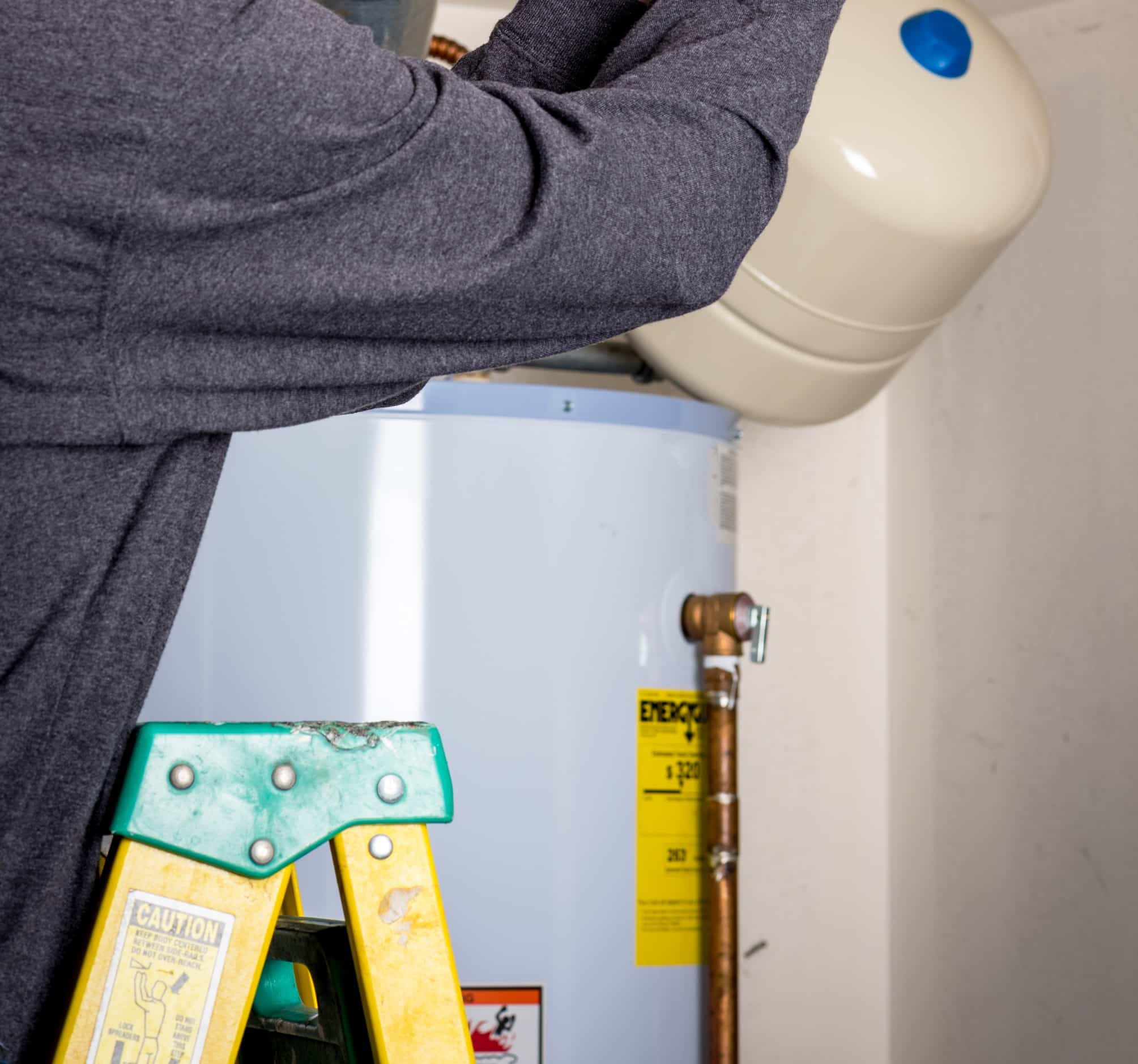
Ensuring your home enjoys reliable hot water involves regular maintenance, particularly a water heater tune up. This routine check can significantly boost the performance of your unit and extend its lifespan. Residents in Knoxville, TN, and surrounding areas like Alcoa, TN, understand the importance of this upkeep. It’s not just about comfort but also about efficiency and safety.
A water heater tune up encompasses several steps, each designed to address different aspects of your water heater’s health. From inspecting for leaks to flushing the tank to remove sediment build-up, these actions work together to optimize your system. This process helps in preventing unexpected breakdowns, especially during times when you need hot water the most.
In Knoxville, TN, where the climate can vary dramatically, having a water heater in top condition is crucial. The same goes for nearby Alcoa, TN, where temperatures can also dip, making a reliable source of hot water a necessity. A well-maintained water heater not only ensures this but also contributes to lower energy bills.
By following a simple water heater tune up checklist, homeowners can enjoy peace of mind knowing their hot water supply is secure. This guide aims to provide you with the necessary steps to ensure your water heater remains in optimal condition. Whether you’re a new homeowner or have been in your residence for years, understanding how to maintain your water heater is key to uninterrupted, efficient service.
The Importance of Regular Water Heater Maintenance
Regular maintenance of your water heater is crucial for its efficiency and longevity. In Knoxville, TN, where the weather can test the limits of your home appliances, a water heater tune up ensures your system runs smoothly. This not only prevents unexpected failures but also keeps your energy costs in check. By adhering to a maintenance schedule, you can avoid the inconvenience of cold showers on chilly mornings.
Homeowners often overlook the impact of sediment buildup in their water heaters. Over time, this can lead to inefficiency and, eventually, system failure. A key component of a water heater tune up is flushing the tank to remove these deposits. This simple step can significantly enhance the performance and extend the lifespan of your unit.
In addition to flushing, inspecting the anode rod is a vital part of maintaining your water heater. This rod protects your tank from corrosion, but it wears down over time. Replacing it when necessary can prevent leaks and other costly issues. Residents in Alcoa, TN, and surrounding areas benefit greatly from such preventative measures, ensuring their hot water supply remains uninterrupted.
Finally, checking the system’s pressure relief valve is essential for safety and operational efficiency. This valve helps to regulate pressure within the tank, preventing possible explosions. A water heater tune up that includes this check safeguards your home against potential hazards. With these steps, homeowners can enjoy reliable hot water, knowing their system is in top condition.

Essential Tools for Your Water Heater Tune Up
Embarking on a water heater tune up requires the right tools to ensure the job is done effectively and safely. Homeowners in Knoxville, TN, should gather a set of adjustable wrenches, which are indispensable for loosening and tightening connections. A good-quality screwdriver set is also essential, as it comes in handy for adjusting settings and securing components. These basic tools lay the foundation for a successful maintenance routine.
Another crucial tool for your water heater tune up is a garden hose. This is particularly useful for flushing the tank, a key step in removing sediment buildup. The process involves attaching the hose to the tank’s drain valve and leading the other end to a suitable drainage area. By doing so, residents in Alcoa, TN, can effectively clear out any debris that might impede their water heater’s performance.
For those looking to inspect or replace their water heater’s anode rod, a pipe wrench is a must-have. This tool allows for the removal of the anode rod, which is vital in preventing corrosion inside the tank. Additionally, having a multimeter proves beneficial for checking the heater’s electrical connections and ensuring they are functioning correctly. These instruments are critical for identifying issues that could affect the efficiency and safety of your water heater.
Lastly, don’t overlook the importance of protective gear during your water heater tune up. Gloves and goggles protect against potential hazards, such as hot water or sharp edges. Ensuring you have the right tools and safety equipment before starting your tune up can make the process smoother and safer. With these tools at your disposal, maintaining your water heater becomes a manageable task, contributing to its longevity and reliability.
Step-by-Step Guide to Flushing Your Water Heater
Flushing your water heater is a crucial step in the tune-up process, especially for homeowners in Knoxville, TN, aiming to boost their unit’s efficiency. Begin by turning off the power to your water heater, ensuring your safety and preventing any electrical issues. Next, connect a garden hose to the drain valve located at the bottom of the tank. This setup is essential for directing the water away from your home and into a suitable drain or outdoor area.
Once the hose is securely attached, open the drain valve to allow the water to flow out, carrying sediment with it. It’s important to let the tank drain completely, which might take some time depending on its size and the amount of sediment buildup. Residents in Alcoa, TN, will find this step particularly beneficial, as it significantly reduces the risk of inefficiency and prolongs the unit’s lifespan. Remember to open a hot water tap inside your house to allow air into the system, facilitating a smoother drain.
After the tank has fully drained, it’s time to flush it out. To do this, turn on the cold water supply to the tank while the drain valve remains open. This process helps to remove any remaining sediment by stirring it up and flushing it out through the drain valve. Keep the water running until it looks clear coming out of the hose, indicating that most of the sediment has been removed.
Finally, close the drain valve, disconnect the garden hose, and turn off the hot water tap you previously opened. Restore power to the water heater, allowing the tank to refill. Once the tank is full, and the power is back on, check for any leaks around the drain valve. This step ensures that your water heater is not only clean but also securely closed, marking the completion of a successful water heater tune up.
Checking and Replacing the Anode Rod
After completing the flushing process, the next crucial step in a water heater tune up is checking and possibly replacing the anode rod. This rod plays a key role in preventing corrosion inside your tank, acting as a sacrificial element. In Knoxville, TN, the water quality can affect how quickly the anode rod deteriorates. It’s wise to inspect this component annually to assess its condition and ensure the longevity of your water heater.
During the inspection, if you find the anode rod to be significantly depleted or coated in calcium, it’s time for a replacement. This task requires unscrewing the old rod and installing a new one, a straightforward process with the right tools. Homeowners in Alcoa, TN, can easily find replacement rods at local hardware stores or seek professional help for installation. Keeping the anode rod in good condition is essential for maintaining the efficiency of your water heater.
Not replacing a worn-out anode rod can lead to more serious issues, such as tank leaks or complete system failure. This is because once the anode rod is fully corroded, the tank itself starts to corrode, leading to costly damages. Regularly checking this component is a proactive measure that can save you from unexpected expenses and ensure a consistent supply of hot water.
In summary, a water heater tune up is not complete without inspecting and, if necessary, replacing the anode rod. This maintenance step is crucial for protecting the tank from corrosion and extending the unit’s lifespan. By following this simple yet effective procedure, homeowners can enjoy the benefits of a reliable and efficient water heater, avoiding the inconvenience of sudden breakdowns or inefficient operation.
Water Heater Tune Up: Inspecting the Pressure Relief Valve
After flushing the tank and checking the anode rod, the next essential step in a water heater tune up involves inspecting the pressure relief valve. This valve is critical for preventing pressure from building up too high within the tank, which can be dangerous. Homeowners in Knoxville, TN, should ensure this valve is functioning correctly to avoid potential risks. A properly working valve will release water when it detects excess pressure, indicating it’s in good working order.
To check the pressure relief valve, lift the lever gently and then let it snap back into place. You should hear a gurgling sound as water is briefly released into the drain tube. This simple test can reveal if the valve is operational or if it might need replacing. Residents in Alcoa, TN, finding their valve to be non-responsive should consider having it replaced to maintain the safety of their home.
Regular inspection of the pressure relief valve is a key component of a thorough water heater tune up. It not only ensures the safety of your water heating system but also contributes to its efficient operation. Ignoring this critical component can lead to a buildup of pressure, resulting in damage to your water heater or, in extreme cases, an explosion. Therefore, it’s advisable to check this valve at least once a year to ensure everything is functioning as it should.
In conclusion, a comprehensive water heater tune up includes a detailed inspection of the pressure relief valve. This step is indispensable for the safety and longevity of your water heater. By following these maintenance steps, homeowners can enjoy peace of mind, knowing their water heater is in optimal condition. Remember, if you’re unsure about conducting these checks yourself, it’s always best to seek professional assistance.
Adjusting the Temperature for Efficiency and Safety
After inspecting the pressure relief valve, adjusting the temperature on your water heater is a crucial next step in the tune-up process. Setting the temperature to an optimal level not only ensures safety but also contributes to the efficiency of your unit. For homeowners in Knoxville, TN, finding the right balance can mean lower energy bills and less risk of scalding. Most experts recommend setting the water heater temperature to 120 degrees Fahrenheit for a good mix of safety and energy efficiency.
Adjusting the temperature is a straightforward task that can have immediate benefits. By using a flathead screwdriver, you can easily adjust the dial on the water heater’s thermostat. This simple action is part of a comprehensive water heater tune up that enhances the performance of your system. It’s a step that residents in Alcoa, TN, should not overlook, as it directly impacts the unit’s operational cost and safety.
It’s important to remember that excessively high temperatures can lead to unnecessary energy consumption and a higher risk of hot water burns. Conversely, setting the temperature too low could result in the growth of harmful bacteria in the tank. Finding that sweet spot is key to ensuring your water heater operates efficiently and safely. This adjustment is an essential part of maintaining your water heater’s health, alongside other tasks like flushing the tank and inspecting the anode rod.
Lastly, after making any adjustments, monitoring your water heater’s performance is crucial. Pay attention to how quickly hot water is delivered and any changes in your monthly energy bills. This monitoring will help you determine if further adjustments are needed or if your water heater tune up has been successful. For optimal performance, it’s advised to revisit these settings periodically, ensuring your water heater remains efficient and safe throughout the year.
How to Insulate Your Water Heater and Pipes
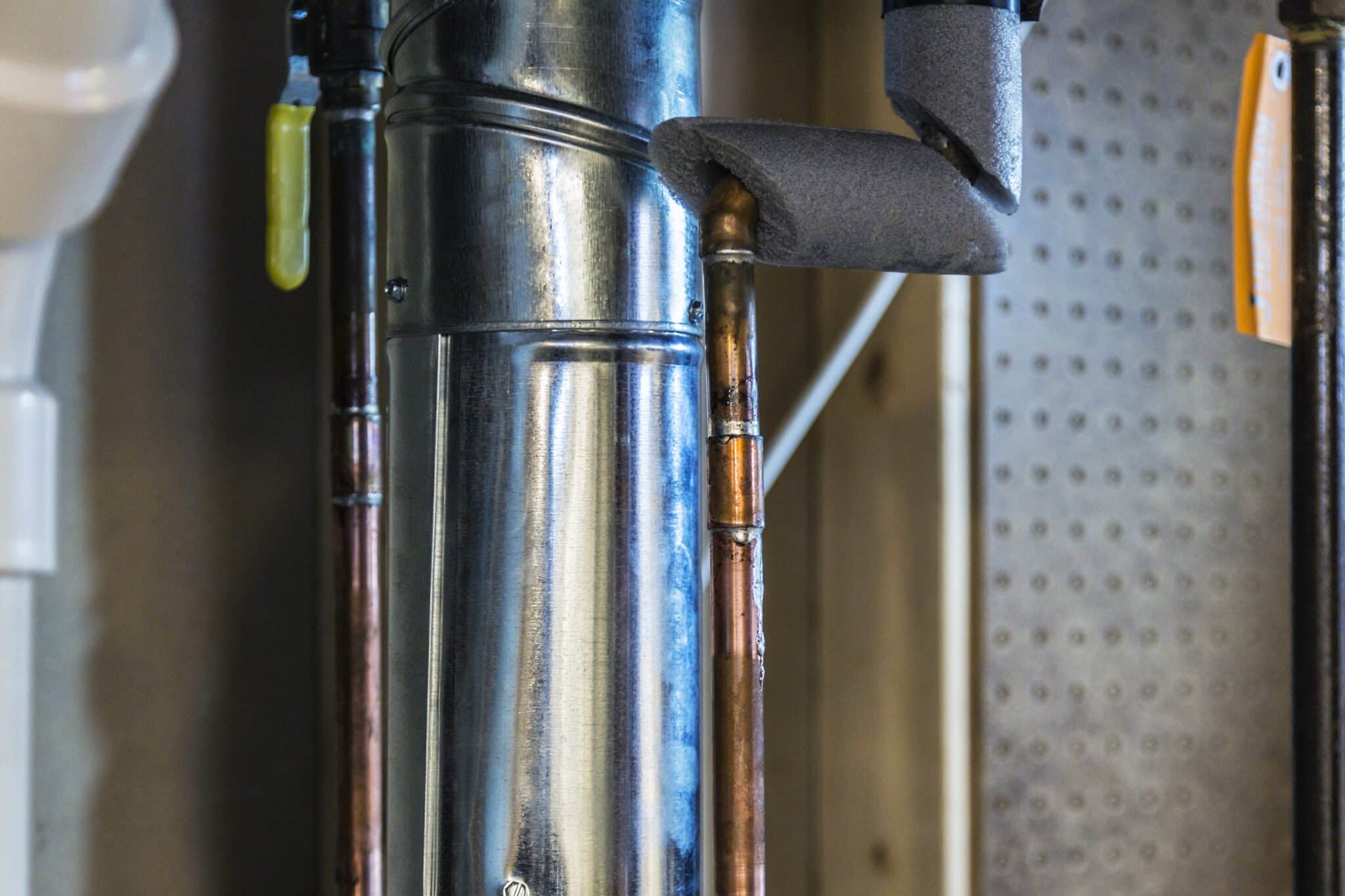
Insulating your water heater and pipes is a smart addition to any water heater tune up, especially for homeowners in Knoxville, TN. This step significantly reduces heat loss, ensuring your water heater operates more efficiently. By wrapping both the water heater and exposed pipes in insulation, you can maintain the water’s temperature for longer periods. This not only conserves energy but also reduces the strain on your water heater, potentially extending its lifespan.
In Alcoa, TN, where temperatures can drop, adding insulation is particularly beneficial. It’s a cost-effective way to enhance the performance of your water heater between tune-ups. Homeowners can find insulation kits at local hardware stores, making this a manageable DIY project. Properly insulating your water heater and pipes can lead to noticeable savings on your energy bills, making it a worthwhile investment.
During a water heater tune up, checking the insulation should become a routine part of your maintenance checklist. If the insulation appears worn or damaged, replacing it promptly ensures your system remains efficient. This simple act of maintenance supports the overall health of your water heater, keeping it in top condition. Regularly assessing and updating your insulation contributes to the efficiency and reliability of your hot water supply.
Finally, remember that insulating your water heater and pipes is an ongoing part of home maintenance. By incorporating this step into your water heater tune up, you ensure that your system is not only running smoothly but also operating as economically as possible. This approach not only benefits your household by providing consistent hot water but also contributes to the environmental effort by reducing energy consumption.
When to Call a Professional for Water Heater Maintenance
While DIY maintenance can be effective, recognizing when to seek professional help is crucial for your water heater’s longevity. In Knoxville, TN, homeowners might encounter complex issues like persistent leaks or irregular heating patterns that signal a need for expert intervention. Professionals bring the right tools and expertise to diagnose and resolve such problems efficiently. This ensures your water heater tune up addresses not just the surface issues but also any underlying problems.
Attempting repairs beyond your skill level can lead to more significant issues, making professional assistance invaluable. For instance, if after a tune-up, your water heater still struggles to maintain consistent hot water, it could indicate a more severe problem. Residents in Alcoa, TN, facing such challenges should consider calling a professional to avoid risking further damage. A trained technician can offer solutions that are both effective and safe, ensuring your water heater operates optimally.
Professionals can also provide insights into the latest maintenance techniques and products that could enhance your water heater’s performance. Their knowledge of current models and advanced tools allows for a more thorough tune-up than most homeowners can achieve on their own. This expertise is particularly beneficial when dealing with modern water heaters that feature complex systems and require specialized care. Engaging a professional ensures that every aspect of your water heater is tuned up to the highest standard.
Lastly, scheduling regular professional maintenance can prevent the need for emergency repairs, saving time and money in the long run. A professional water heater tune up includes a comprehensive check that can identify potential issues before they become major problems. This proactive approach is essential for maintaining a reliable hot water supply and extending the lifespan of your unit. By recognizing when it’s time to call in the experts, homeowners can enjoy peace of mind and continuous, efficient hot water service.
Frequently Asked Questions
What is a water heater tune up?
A water heater tune up is a thorough check and maintenance of your water heater. It involves inspecting, cleaning, and adjusting parts to ensure efficient operation. This process boosts the unit’s performance and can extend its lifespan. Regular tune-ups help prevent unexpected breakdowns, keeping your hot water flowing smoothly.
How often should I check my water heater?
Experts recommend checking your water heater at least once a year. This routine ensures it runs efficiently and safely. For areas with hard water, consider inspecting it more frequently. Regular water heater tune ups can significantly extend your unit’s life and improve performance.
What are common water heater issues?
Common water heater issues include leaks, strange noises, and inconsistent water temperatures. Sediment buildup can also reduce efficiency and tank capacity. Over time, parts like the thermostat or heating element may fail, requiring replacement. Regular water heater tune ups can help identify and fix these problems early, ensuring reliable hot water.
Can a water heater tune up improve efficiency?
Yes, a water heater tune up can significantly boost your unit’s efficiency. By cleaning out sediment and checking for leaks, it operates more smoothly. Adjusting the thermostat and inspecting the heating elements also play a key role. These steps ensure your water heater runs at its best, saving energy and money.
What tools are needed for a water heater tune up?
For a water heater tune up, a few basic tools are essential. You’ll need a wrench or pliers for adjusting parts, a screwdriver for opening panels, and a garden hose for flushing the tank. Additionally, a bucket might come in handy for catching water or debris. These tools help ensure the tune-up process is smooth and efficient, keeping your water heater in top condition.