




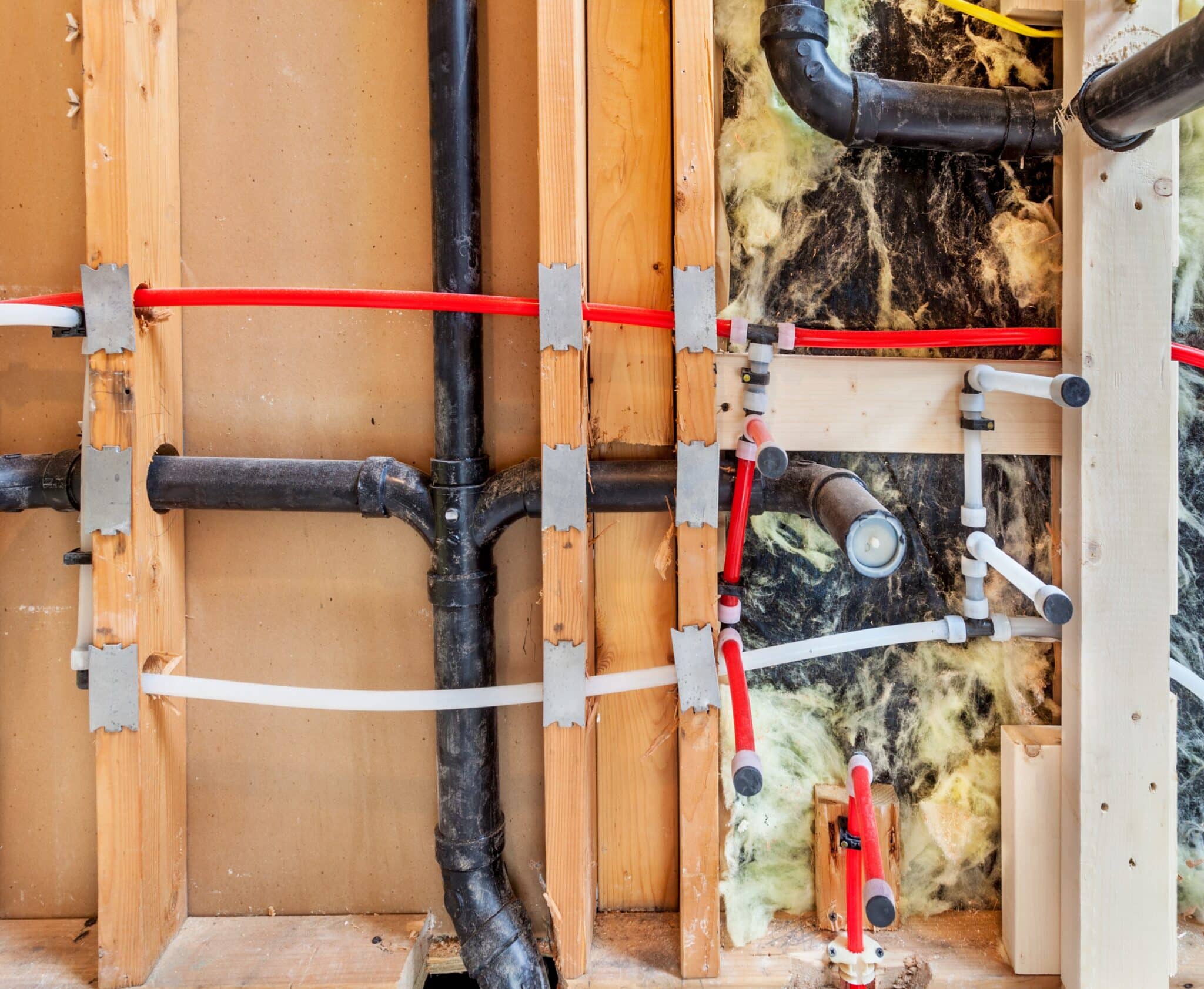
In Knoxville, TN, homeowners are increasingly aware of the risks associated with polybutylene piping in their homes. This type of piping, once popular for its low cost and easy installation, has shown to be prone to leaks and bursts over time. As a result, many are turning to polybutylene repipe solutions to safeguard their homes against potential water damage. Choosing the right materials and methods for repiping is crucial for ensuring a long-lasting solution.
Maryville, TN, residents facing similar issues with polybutylene pipes are also exploring durable repiping options. The quest for a reliable polybutylene repipe solution has become a priority for many in the area. By opting for materials that are more resilient and methods that ensure a thorough replacement, homeowners can achieve peace of mind. It’s about finding a balance between cost-effectiveness and long-term reliability.
In Louisville, TN, the conversation around polybutylene repipe is gaining momentum as well. Homeowners are seeking advice on the best practices for replacing outdated polybutylene pipes. The focus is on selecting materials that not only meet current plumbing standards but also resist corrosion and wear over time. This proactive approach helps in preventing future plumbing emergencies and maintaining the integrity of their water systems.
Understanding the importance of a polybutylene repipe is the first step toward protecting your home from the risks of water damage. With the right information and support from professional plumbers, homeowners in Knoxville, Maryville, and Louisville can make informed decisions about their repiping needs. By choosing durable materials and trusted methods, they can ensure their plumbing systems are safe, reliable, and built to last.
Understanding Polybutylene Pipes and Their Risks
Polybutylene pipes, once a common choice for plumbing, are now known for their susceptibility to damage. Over time, these pipes can degrade, leading to leaks that can cause significant water damage in homes. This problem is not just isolated to one area but affects residents in Knoxville, Maryville, and Louisville alike. Recognizing these risks is crucial for homeowners considering a polybutylene repipe.
The material’s inherent flaws stem from its reaction to oxidants in public water supplies, which can weaken the pipes over time. This weakness often leads to sudden and unexpected pipe failures. Homeowners in Maryville have reported incidents of burst pipes, prompting a widespread shift towards more reliable repiping solutions. Understanding these vulnerabilities helps in making an informed decision about replacing polybutylene pipes.
Choosing the right materials for a polybutylene repipe is essential for ensuring the longevity and reliability of your plumbing system. Options like PEX and copper have gained popularity for their durability and resistance to corrosion. In Louisville, many homeowners have opted for these materials, appreciating their long-term benefits over the initial cost. These alternatives provide a peace of mind that polybutylene pipes cannot offer.
Professional plumbers play a key role in transitioning from polybutylene to more dependable piping materials. They bring expertise in selecting the right materials and employing methods that ensure a thorough and lasting repipe. Their knowledge and skills are invaluable for homeowners across Knoxville, Maryville, and Louisville looking to protect their homes. With their help, the process of moving away from polybutylene pipes becomes a smooth and reassuring journey.
Signs You Need a Polybutylene Repipe
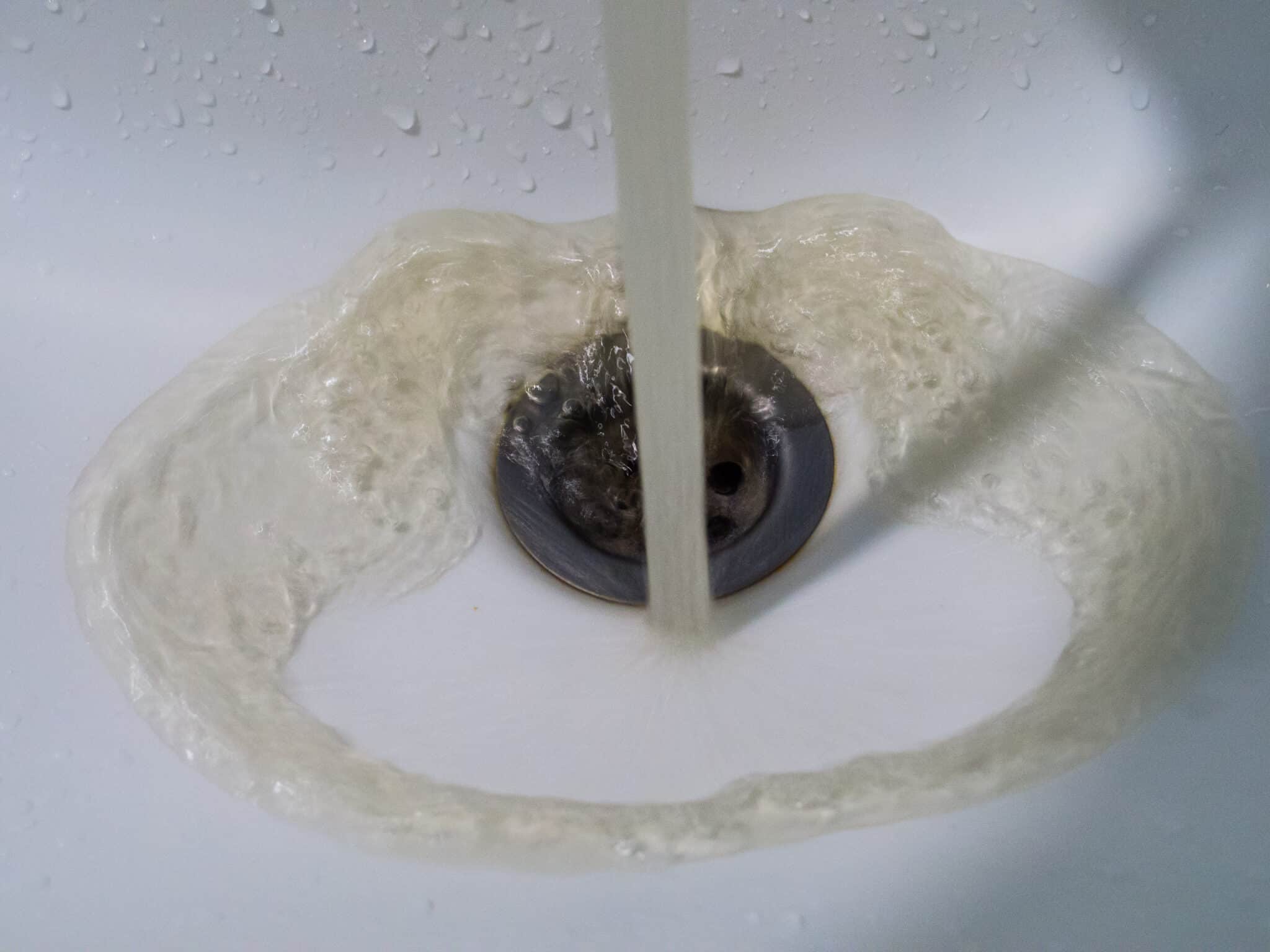
Recognizing when it’s time for a polybutylene repipe can save homeowners from unexpected and costly water damage. In Maryville, TN, signs such as discolored water or decreased water pressure often indicate pipe degradation. These symptoms suggest that the polybutylene pipes are nearing failure and require immediate attention. Addressing these issues promptly can prevent the extensive damage that leaks and bursts cause.
Another clear sign that a polybutylene repipe is necessary is the age of the plumbing system. Homes in Louisville, TN, built from the late 1970s through the mid-1990s likely contain these pipes. As these plumbing systems reach the end of their lifespan, the risk of failure increases. Homeowners should consider repiping to avoid the inevitable problems associated with aging polybutylene pipes.
Frequent plumbing repairs can also signal the need for a more comprehensive solution. If homeowners find themselves repeatedly fixing leaks, it’s a strong indication that the polybutylene pipes are failing. Instead of temporary fixes, opting for a full repipe offers a long-term solution. This approach not only addresses the immediate issues but also enhances the overall reliability of the plumbing system.
Lastly, advice from a professional plumber can be the deciding factor. Experts can assess the condition of the pipes and recommend whether a polybutylene repipe is necessary. Their insight is invaluable, as they can identify problems that homeowners might overlook. Trusting their judgment ensures that the home’s plumbing system is secure, efficient, and up to date.
Durable Materials for Polybutylene Repipe Solutions
When considering a polybutylene repipe, homeowners in Maryville, TN, prioritize durability and longevity. PEX and copper stand out as top choices for their robustness against corrosion and leaks. These materials have proven to withstand the test of time, offering a reliable plumbing solution. Opting for such durable options ensures a secure and efficient water system for years to come.
In Louisville, TN, the shift towards these resilient materials reflects a growing awareness of polybutylene pipe’s limitations. Homeowners appreciate the peace of mind that comes from using PEX or copper for their repiping needs. Unlike polybutylene, these alternatives are less likely to succumb to the adverse effects of water’s oxidants. This transition marks a significant step towards maintaining a home’s plumbing integrity.
Professional plumbers play a crucial role in the repiping process, guiding homeowners through the selection of materials. Their expertise ensures the chosen solution matches the specific needs of the home. By relying on their knowledge, residents can avoid the pitfalls associated with polybutylene pipes. This collaboration results in a smooth and effective repipe, safeguarding the property against future plumbing issues.
Ultimately, a polybutylene repipe using durable materials like PEX or copper offers a lasting remedy to plumbing woes. This approach not only addresses the immediate risks but also enhances the overall value of the home. For homeowners in Knoxville, Maryville, and Louisville, investing in such a solution is a wise decision. It guarantees a safe and reliable plumbing system, free from the concerns of unexpected leaks or bursts.
The Repiping Process: What to Expect
Embarking on a polybutylene repipe journey begins with understanding what the process entails. Homeowners in Maryville, TN, should prepare for a comprehensive evaluation of their current plumbing system. This initial step ensures that professionals identify all areas requiring replacement. It sets the stage for a smooth transition to more reliable piping materials.
Next, the removal of old polybutylene pipes takes place. This phase is critical and demands precision to avoid damage to the home’s structure. In Louisville, TN, experienced plumbers use specialized tools to minimize disruption. Their expertise ensures that the extraction is both efficient and effective, paving the way for the installation of new pipes.
The installation of new piping, such as PEX or copper, follows. This step is where the choice of durable materials pays off, offering homeowners peace of mind. The process involves careful planning to ensure the new system meets all plumbing standards. It’s a meticulous task that transforms the home’s water system into a more reliable network.
Finally, the repiping process concludes with a thorough inspection and testing phase. This ensures that the new system functions correctly, with no leaks or issues. Homeowners can then enjoy the benefits of a modern, efficient plumbing system. This last step marks the end of the polybutylene repipe journey, leaving homes safer and more secure.
Polybutylene Repipe: Choosing the Right Plumber
Choosing the right plumber for a polybutylene repipe is crucial to the project’s success. In Maryville, TN, homeowners should look for professionals with specific experience in repiping. It’s essential to select a plumber who understands the nuances of removing old polybutylene pipes and installing new ones. Their expertise ensures the project is completed efficiently and effectively, minimizing disruptions to daily life.
In Louisville, TN, asking for references and reviewing past projects can help homeowners find a reliable plumber. A reputable plumber will have a portfolio of successful repipe projects and satisfied customers. This background check offers peace of mind, knowing the chosen professional has the skills and experience necessary for a durable repipe solution. It also allows homeowners to gauge the quality of work and customer service they can expect.
Communication is key when working with a plumber on a polybutylene repipe project. Homeowners should ensure their plumber is approachable and willing to answer questions throughout the process. A good plumber will keep homeowners informed at every step, from the initial assessment to the final inspection. This open line of communication helps prevent misunderstandings and ensures the project aligns with the homeowner’s expectations.
Finally, considering the plumber’s warranty and post-installation support is important. A trustworthy plumber stands behind their work, offering warranties for materials and labor. This commitment to quality and customer satisfaction adds an extra layer of security for homeowners. Knowing there is support available after the project’s completion can make the decision to undertake a polybutylene repipe an easier one.

Cost Considerations for a Polybutylene Repipe
When planning a polybutylene repipe, understanding the costs involved is crucial for homeowners. In Maryville, TN, budgeting for such a project requires consideration of both material and labor expenses. Choosing durable materials like PEX or copper can influence the overall cost. However, investing in these materials ensures a long-lasting plumbing system that offers peace of mind.
The complexity of the repiping job also affects the price. In Louisville, TN, homes with more bathrooms or stories may face higher costs due to the increased labor and materials needed. It’s important for homeowners to get detailed quotes from professionals to understand the scope and cost of the work. This helps in setting realistic expectations and planning the budget accordingly.
Seeking multiple estimates can lead to better decision-making. Homeowners benefit from comparing different professional opinions and prices. This approach allows them to find a balance between cost and quality of work. Ensuring the plumber has experience with polybutylene repipe projects is key to getting the job done right.
Lastly, considering potential savings from a polybutylene repipe is essential. While the upfront cost may seem high, the long-term savings on water damage repairs and lower insurance premiums can be significant. Homeowners in Knoxville, TN, have found that updating their plumbing systems leads to increased home value and reduced risk of costly leaks. This makes the investment in a polybutylene repipe a wise financial decision in the long run.
How to Prepare Your Home for Repiping
Preparing your home for a polybutylene repipe involves a few crucial steps to ensure the process goes smoothly. First, clear the areas around your pipes. This means moving furniture, removing items from under sinks, and ensuring plumbers have easy access to walls where pipes are located. Doing so in Maryville, TN, will help the team work more efficiently, reducing the time your home’s plumbing system is under construction.
Next, consider the impact on your daily routine. Water will be turned off for a certain period, so plan accordingly. You might need to arrange for alternative accommodations or schedule the repipe at a convenient time. Homeowners in Louisville, TN, find that communicating with their plumbing team about the timeline helps manage expectations and minimize disruptions.
It’s also important to protect your belongings from dust and debris. Cover furniture and floors near work areas with drop cloths or plastic sheeting. Taking these precautions can prevent damage and make cleanup after the repipe easier. This preparation step is appreciated by both homeowners and plumbers, ensuring the project doesn’t leave behind a mess.
Lastly, prepare for the final inspection. Once the repiping is complete, a thorough check will ensure everything is up to code. Having documentation and understanding what has been replaced can be beneficial for future reference or if you plan to sell your home. This final step marks the culmination of your polybutylene repipe project, setting the stage for a more secure and reliable plumbing system.
Long-Term Benefits of Replacing Polybutylene Pipes
Replacing polybutylene pipes with more durable materials like PEX or copper brings significant long-term benefits. Homeowners in Maryville, TN, often notice an immediate improvement in water quality and pressure. This upgrade not only enhances daily living but also contributes to the overall well-being of the residents. The peace of mind knowing your plumbing system is reliable and up to date is invaluable.
A polybutylene repipe also significantly reduces the risk of unexpected plumbing disasters. In Louisville, TN, residents who have made the switch report fewer incidents of leaks and bursts. This decrease in emergency repairs can save homeowners a substantial amount of money over time. It’s a proactive step that ensures the integrity of your home’s water system.
Furthermore, updating your plumbing system can increase your property’s value. Potential buyers in today’s market are well-informed about the pitfalls of polybutylene piping. They appreciate the effort and investment in a modern, efficient plumbing system. This can make your home more attractive to buyers, potentially speeding up the sale process and increasing the sale price.
Lastly, insurance companies often view homes with updated plumbing more favorably. They recognize the reduced risk of water damage and may offer lower premiums as a result. This financial benefit adds to the long-term savings of a polybutylene repipe. Homeowners find that the initial investment in repiping can lead to significant savings, making it a wise choice for the future.
Frequently Asked Questions
What is polybutylene repiping?
Polybutylene repiping involves replacing old, faulty polybutylene pipes with new, reliable materials. This process ensures your plumbing system becomes more durable and efficient. It addresses leaks and weaknesses in the existing pipes. By choosing this upgrade, homeowners can significantly reduce the risk of water damage and improve their water quality.
How long does a repipe solution last?
A repipe solution can last for decades, ensuring your home’s plumbing is robust and reliable. Typically, materials like PEX or copper, used in polybutylene repipe projects, have a lifespan of over 50 years. This upgrade not only secures your plumbing for the future but also enhances water quality. By choosing a durable repipe, homeowners invest in long-term peace of mind and efficiency.
Why replace polybutylene pipes?
Replacing polybutylene pipes is crucial due to their high failure rate. These pipes, used extensively from the 1970s to the 1990s, are prone to breaking and causing water damage. Over time, they deteriorate when exposed to chlorine in the water, leading to leaks. By opting for a polybutylene repipe, homeowners prevent potential flooding and ensure a safer plumbing system.
What are the signs you need a polybutylene repipe?
Knowing when to opt for a polybutylene repipe is essential for maintaining your home’s plumbing health. Look out for signs like frequent leaks, discolored water, or a sudden drop in water pressure. These issues often indicate that the polybutylene pipes are failing and need replacement. Acting quickly can save you from more severe water damage and ensure a reliable plumbing system.
Can repiping increase home value?
Yes, repiping can indeed boost your home’s value. By upgrading to modern materials, you make your plumbing system more reliable and efficient. This improvement is attractive to potential buyers, who value the peace of mind that comes with durable plumbing. So, a polybutylene repipe can be a smart investment, enhancing both your home’s worth and appeal.