




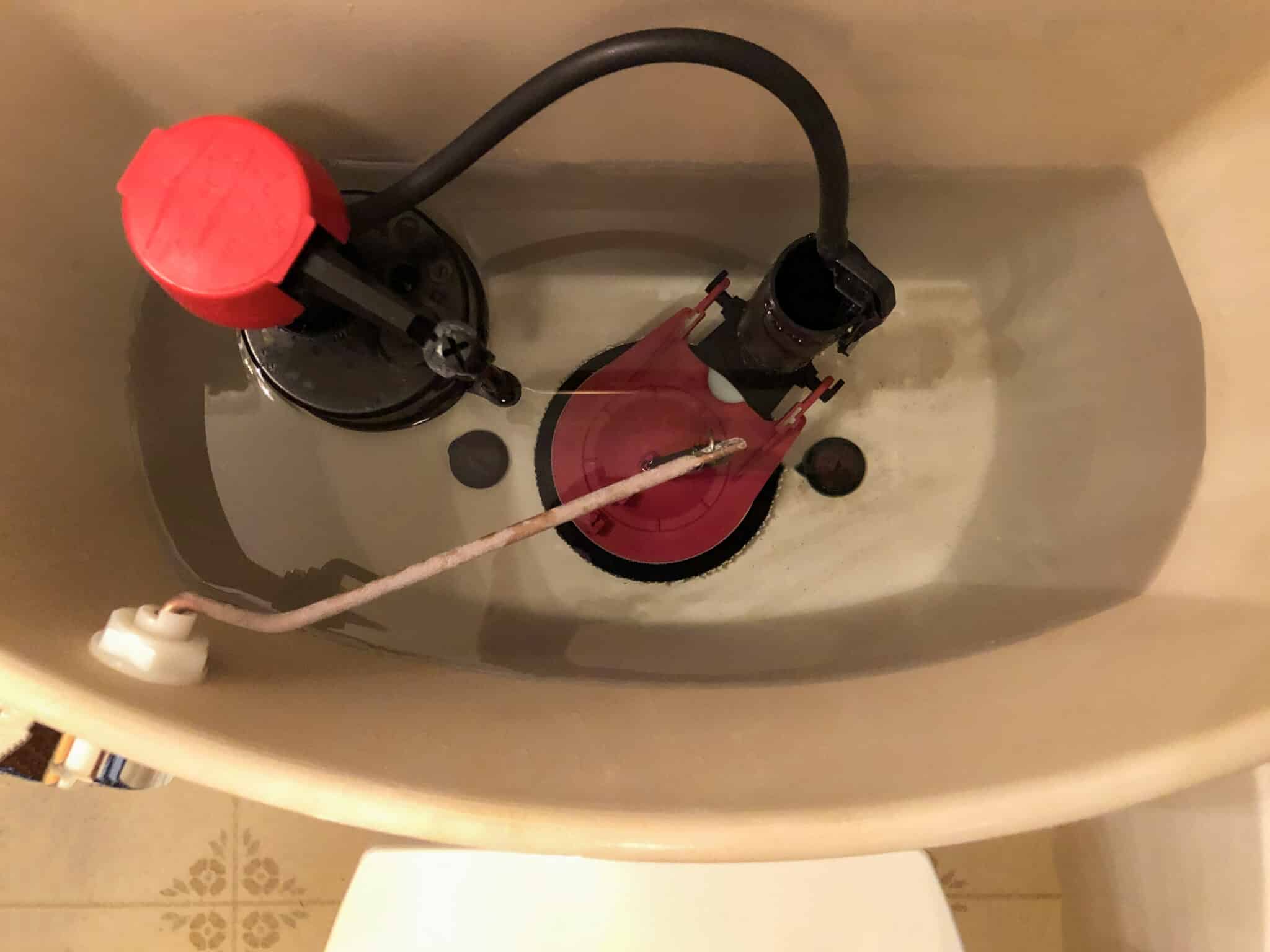
Key Takeaways About Toilet Fill Valve
A toilet fill valve controls tank refill and stops water at the correct level. This guide helps homeowners and property managers spot and fix problems before they waste water.
- Identify steady hissing or random night refills as warning signs
- Prevent siphoning by ensuring the refill tube ends above overflow
- Avoid larger damage by replacing cracked or warped valve bodies
- Spot mineral buildup and worn seals during quick visual checks
- Reduce water waste by choosing replacement over repeated repairs
- Plan professional diagnosis when DIY tests do not stop running
Introduction
A constantly running toilet or sudden phantom flushes almost always point to a problem with the toilet fill valve. That worn or misaligned fill valve wastes water and raises utility bills without obvious leaks. Homeowners often notice a steady hissing or the tank refilling after every flush. These signs matter because small water losses add up quickly over weeks and months.
Sometimes the symptom is a slow trickle into the bowl that keeps the flapper bobbing. Other times the tank refills randomly during the night with no apparent cause. Ignoring these failures can wear the flapper, corrode metal parts, and stress the supply line. For homes near Oak Ridge, TN the impact shows up on the next water bill and can stress older plumbing fixtures.
Detecting a failing fill valve is practical if you pay attention to sound timing and water behavior in the tank. Visible mineral buildup, water level sitting high, or vibrations from the valve give clear clues. A professional will check the shutoff valve, supply line, fill valve assembly, and flapper condition. For properties in Clinton, TN prolonged issues sometimes coincide with aging fixture components that need replacement.
Fixing the fill valve stops phantom flushes and prevents ongoing water waste that can affect floors or subflooring over time. A trained plumber can confirm the diagnosis with a brief inspection and simple tests without tearing apart the toilet. Prompt repair or replacement restores quiet operation and reliable fill control. Addressing the problem quickly keeps water use efficient and prevents larger plumbing failures later.
How A Toilet Fill Valve Works And Why It Fails
A toilet fill valve is the device that refills the toilet tank and stops water once the correct level reaches the float. It opens when the tank drops after a flush and closes when the float rises, keeping the tank at a set height. Homeowners often ask how a failing fill valve causes constant running, the answer is simple: it fails to shut off cleanly. A proper valve controls refill speed and final water level to prevent overfilling and phantom refills.
- The valve body connects to the supply line below the tank.
- A float senses the water level and tells the valve to stop.
- The refill tube directs water into the bowl after a flush.
- An adjustment screw or clip sets the shutoff height.
Internal parts corrode or collect mineral deposits that stop the valve from sealing. Hard water can roughen seats and let water bypass the valve even when closed. A bent float arm or a worn rubber seal also lets small amounts of water pass continuously. These small flows can cause a steady hiss or keep the flapper from seating fully.
Professionals diagnose problems by observing tank behavior and testing components directly. They will shut off the supply valve, remove the tank lid, and watch how the float and refill tube act during a manual fill test. Common checks include a dye test for flapper leaks and measuring the water level against the overflow tube. If blockages or damaged parts show, replacement of the fill valve assembly usually restores correct function without further work.
In a common situation, a homeowner hears random tank refills at night and sees a slightly higher-than-normal water level. A technician would inspect the fill valve, flapper, and supply line for signs of wear and mineral buildup. They may also check the shutoff valve and supply line pressure if flow seems irregular. For homes near Oak Ridge, TN or older properties in Clinton, TN this inspection often finds mineral-related wear that needs part replacement or a full valve swap.

Common Causes Of Constant Running Toilets
Mineral buildup inside the valve seat and on moving parts commonly prevents a tight seal, letting water pass slowly. Sediment can abrade the rubber seal and stop the float from signaling shutoff properly. High mineral conditions speed wear, but even newer toilets can suffer if the seat is imperfect. A technician often inspects the valve seat and seals first when tracking a persistent flow problem.
A misaligned or adjusted float causes the tank to overfill and spill into the overflow tube, producing a constant refill cycle. Float issues include bent arms, stuck floats, or incorrect height settings that keep the valve open. Small corrections to float height can stop running temporarily, but damage or calcification usually requires part replacement. For homes in Oak Ridge, TN these adjustments sometimes reveal more extensive valve wear needing a swap.
Loose or leaking supply connections let the valve work harder and can mimic valve failure by causing pressure fluctuations. A weak shutoff valve or a loose coupling at the supply line can let water seep during idle times. Professionals check the shutoff valve, supply line, and tank-to-bowl connections as part of diagnosis. If the supply hardware shows corrosion or damage they recommend replacing those components along with the fill valve.
Internal cracks or warped components inside the plastic valve body permit internal bypass and erratic behavior under different pressures. Temperature changes and long-term stress can deform parts enough to stop seals from matching correctly. During inspection, a plumber may remove the valve and test the seat and diaphragm visually for signs of warping. If the valve body is compromised, full replacement restores dependable shutoff and prevents recurring issues.
Improper refill tube routing or a missing clip can siphon water from the tank, leading to intermittent refills and phantom flushes. The refill tube must end above the overflow opening and stay secured to the overflow tube to prevent siphoning. Technicians often clip or replace the refill tube when they service the valve to remove this easy failure point. When replacement is necessary, homeowners sometimes opt for a complete toilet upgrade to modern components using a reliable toilet replacement expert.
Identifying Phantom Flushes And Silent Leaks
Phantom flushes often start with tiny, irregular water movements visible at the tank’s refill tube or inside the bowl. Listen for brief water rushes or soft clicks that happen without a full flush, these indicate intermittent valve action. A dye test in the tank can reveal slow leaks that feed the bowl without obvious wet spots. If dye moves into the bowl within 10 to 15 minutes, the issue likely involves the valve path or refill tube alignment.
Silent leaks may not make noise but show steady water use on the meter when all household fixtures are off. Shut off the toilet supply and watch the meter to confirm flow stops, if it does, the tank assembly is the source. Inspect the overflow tube for constant trickle marks or mineral trails that show where water leaves the tank. Visible staining or dampness around the base of the overflow tube often points to improper water height or a misdirected refill tube.
A professional diagnosis includes specific checks a homeowner may not perform safely or accurately. A plumber measures static pressure at the supply line and observes the valve operation during several manual fills to catch intermittent faults. They also remove the valve cap to inspect the seal, diaphragm, and seat for pitting or cracking under magnification. In a common situation, the technician records pressure readings and takes photos to document fluctuating behavior before recommending parts or replacement.
Sometimes phantom refills result from siphoning caused by a refill tube ending too low in the overflow tube or by a loose clip. Repositioning the refill tube so its end rests above the overflow opening often stops siphon-induced refills immediately. If the valve body shows hairline cracks or internal wear, replacement prevents recurrence and stops unseen water loss. Homeowners planning broader bathroom updates can combine a valve replacement with a remodel and consult a professional for coordinated work.
When assessing older installations in Oak Ridge, TN or upgrading fixtures in Clinton, TN, expect technicians to check the shutoff valve and supply line condition during their inspection. They may recommend replacing corroded shutoffs or braided supply lines alongside the fill valve to ensure long-term reliability. Proper diagnosis reduces unnecessary part swaps and targets the actual leak path for efficient repairs. After repairs, professionals often run a final dye check and pressure test to confirm the fix.
Diagnosing Fill Valve Problems Step By Step
Start by turning off the toilet shutoff and flushing to drain most water from the tank. Remove the tank lid and watch the valve during a slow manual refill to spot irregular motion. Check the refill tube position and confirm it terminates above the overflow, preventing siphoning. Note any rhythmic sound patterns or sudden starts that suggest internal diaphragm failure.
- Inspect the fill valve cap for mineral deposits.
- Check the float for free movement without binding.
- Measure water level relative to the overflow tube.
- Confirm the refill tube is clipped securely above the overflow.
- Verify the shutoff valve stops water completely.
If you detect a steady trickle into the bowl, perform a dye test using food coloring and wait fifteen minutes to check for movement. A professional will remove the valve top and examine the seal, diaphragm, and seat for pitting or tears using magnification if needed. They may also test supply pressure at the shutoff to rule out pressure spikes that force leakage. Documenting readings and photos helps decide between repair and replacement.
During diagnosis, a plumber inspects tank bolts, supply line, and the condition of the flapper for interaction problems that mimic valve failure. In a common situation, a homeowner notes intermittent refills overnight and the tech finds a worn diaphragm causing small bypass flows. For older installations near Oak Ridge, TN technicians often replace the entire valve when seals show advanced mineral etching. If sediment is present, professionals might recommend concurrent drain service to protect the new components and improve system longevity by scheduling a visit for drain cleaning.
Final checks include several manual fill cycles and a post-repair dye check to confirm no unseen leaks remain. Ensure the water shuts off cleanly and the tank holds steady at the recommended fill height without contacting the overflow. If irregular behavior continues after adjustment, full valve replacement is usually the reliable fix. For homeowners in Clinton, TN persistent problems often justify replacement to prevent future phantom refills and water waste.
Toilet Fill Valve Replacement Versus Repair Guide
Deciding between repairing and replacing a toilet fill valve depends on the exact fault, age of the assembly, and visible damage to the valve body. If the diaphragm or seal shows light mineral buildup, a targeted part replacement or cleaning can restore function without removing the whole unit. However, when the plastic valve body is cracked or the float mechanism is warped, a full replacement prevents repeated callbacks and hidden leaks. A technician will weigh part cost versus labor time before recommending a path forward.
A professional diagnosis helps determine if a repair will last or if replacement saves money long term by stopping future failures and wasted water. Technicians inspect the seat, diaphragm, refill tube routing, and supply coupling under bright light to judge wear severity. They may also measure supply pressure and run multiple fill cycles to reproduce intermittent faults before committing to repair. These steps reduce the chance of an unnecessary replacement.
When replacing the valve, plumbers typically remove the old assembly, clean the tank bottom, and install a modern fill valve that includes an adjustable float and improved seal materials. New valves reduce phantom refills and can provide easier future adjustments without tank removal. If the shutoff or supply line shows corrosion or leaks, replacing those parts alongside the fill valve prevents interaction failures. For homes near Oak Ridge, TN older shutoffs often accompany valve swaps to ensure reliability.
Small repairs suit homeowners wanting a lower immediate cost, while replacement suits those seeking lasting certainty and fewer return visits from a service technician. In cases of sudden major leakage or failure after hours, contact emergency plumbing for immediate containment and mitigation to protect floors and finishes. For recurring issues in properties around Clinton, TN replacement is often the practical long-term choice. Ask the technician for a clear cost comparison and a written recommendation before work begins.
When To Call A Professional For Fill Valve Issues
If you notice sudden large water loss, persistent hissing, or tank cycling after a valve adjustment, call a professional. A plumber will perform controlled tests to measure supply pressure and observe valve response during several fill cycles. They will also inspect the shutoff valve and supply line for interaction faults that mimic fill valve failure. For complicated cases, a tech can provide a written diagnosis and recommendation for repair or replacement.
When internal cracks, warped bodies, or repeated diaphragm failures appear, professional replacement reduces the chance of repeat problems. A technician replaces the valve, cleans the tank seating area, and verifies refill tube routing to prevent siphoning and phantom refills. They also check tank bolts and flapper condition to avoid related failures after the new valve is installed. This comprehensive approach helps prevent callbacks and hidden water waste.
Call a plumber if DIY fixes fail, if you detect soft damage to tank porcelain, or if the shutoff does not stop supply flow. Professionals use basic diagnostic tools and visual inspection to confirm the leak source and document findings with photos or readings when needed. They can also advise replacing corroded supply hardware during the same visit to ensure long-term reliability. Homeowners near Oak Ridge, TN sometimes find concurrent shutoff replacement necessary when valves are seized.
If you manage rental properties or see recurring phantom flushes in multiple bathrooms, schedule professional service to prevent higher bills and tenant disruption. Technicians can set up a maintenance schedule and demonstrate simple checks a homeowner can use between services to spot returning problems. For older fixtures in Clinton, TN a pro assessment often reveals component interactions needing coordinated replacement. For practical homeowner tips about toilet care before a visit, review our helpful tips.
Preventative Maintenance To Extend Valve Lifespan
Regular checks extend toilet fill valve life and prevent unexpected failures that waste water and time. Inspect the valve for loose mounting nuts and tighten if you find play. Replace worn rubber seals before they harden and start leaking under pressure. Schedule visual checks every three to six months to catch early wear and deposits.
- Shut off the supply and test valve movement.
- Clean visible mineral deposits gently with vinegar.
- Confirm refill tube ends above the overflow tube.
- Replace brittle or cracked refill tubes promptly.
Use simple actions that reduce wear, like lowering tank fill slightly to reduce valve cycling. If household water has sediment, install an inline sediment filter on the shutoff to protect valve internals. Record any irregular sounds or night refills to show a technician during service visits. In Oak Ridge, TN homeowners often stop repeat failures with modest preventive steps.
When performing maintenance, avoid harsh tools that scratch the valve seat and cause leaks later. Keep a small kit with spare seals, a refill clip, and basic tools for quick fixes between professional visits. If you encounter sudden large flow or an unresponsive shutoff, follow emergency precautions and consider contacting emergency plumbing service. For urgent situations, see the guidance about emergency plumbing in Oak Ridge via the relevant resource.
Track replacement dates and note when parts first showed wear to guide future decisions. A professional can add preventive tasks during routine service to reduce callbacks and hidden water loss. For rental properties in Clinton, TN a regular maintenance schedule prevents tenant complaints and unexpected bills. Prioritize medium-risk signs and schedule service before visible damage occurs.
Quick DIY Fixes For Minor Fill Valve Leaks
Start by turning off the toilet shutoff and flushing to lower the tank water level for safer work. Inspect the refill tube connection and push the clip back onto the overflow tube if it slipped off. Tighten the fill valve mounting nut slightly if the valve rocks but avoid overtightening plastic threads that can crack. If mineral deposits block flow, soak the valve cap in vinegar for a short period and rinse thoroughly.
Replace a worn rubber seal or washer inside the valve cap when you see visible flattening or cracking. Shut the supply, remove the cap per manufacturer directions, and swap the seal with a matched part for a snug fit. After reassembly, open the supply slowly and watch the float movement to confirm smooth shutoff without surging. If the seal replacement stops dripping but the valve still cycles, further inspection is needed.
Adjust float height to stop overflow tube trickling by bending the float arm gently or moving the adjustment clip downward. Small changes can lower the steady water level, reducing cycling and water waste without full replacement. If the refill tube sits too low, trim and reseat it so its end rests above the overflow opening to prevent siphoning. For guidance on saving water through small repairs like these, see the resource about saving on water bills in Oak Ridge, TN.
Swap brittle or cracked refill tubes with a short section of flexible tubing available at hardware stores for a tight, reliable fit. Test your work with a dye check and several manual fills to ensure no slow leaks remain visible in the bowl. If the shutoff valve fails to stop flow during tests, stop and contact a professional for safe repair to avoid flooding. Property managers in Clinton, TN should document repairs and schedule follow-up inspections to watch for recurring problems.

Frequently Asked Questions
Why is my toilet constantly running after a flush?
A constantly running toilet usually means water keeps leaking from the tank into the bowl, often from a deteriorated flapper or misaligned fill tube. A worn or improperly adjusted toilet fill valve can fail to shut off at the correct water level and keep filling. Check for continuous sound or a small steady flow into the overflow tube as a sign the valve or flapper needs replacement. If you smell gas or see obvious leaks, turn off the shutoff valve and call a professional plumber for safety and repair.
How does a toilet fill valve cause phantom flushes?
A failing toilet fill valve can let water slowly leak from the tank into the bowl, lowering tank level until the fill cycle restarts. That drop triggers brief, automatic refills that sound like phantom flushes and waste water. A worn seal or float misalignment often causes the leak and intermittent refill behavior. If leaks persist or you smell sewage, turn off supply and call a professional to inspect and replace the valve.
What diagnostic checks will a pro perform on a running tank?
A plumber will first observe the overflow and listen for continuous water to confirm the running condition and note timing. They will inspect the toilet fill valve, flapper, and refill tube for wear, position, and corrosion. They may perform a dye test and check tank water level against the overflow to identify leaks or improper valve shutoff. If the inspection shows complex valve wear or unsafe access, they will recommend a professional repair or replacement for safety.
Can mineral deposits make a fill valve fail?
Yes. Mineral deposits from hard water can build on parts and prevent smooth movement in a toilet fill valve. Deposits often cause slow leaks, phantom flushes, or a valve that won’t shut completely. If deposits look heavy or the valve still runs after cleaning, call a plumber because continuing leaks waste water and can cause overflow risks.
When should I replace rather than repair the fill valve?
Replace the fill valve when persistent running or phantom flushes continue after basic adjustments and cleaning attempts. If the valve leaks from cracks, the plastic looks brittle, or internal parts move loosely, replacement is better. Also replace if the toilet cycles frequently or you notice steadily rising water bills despite fixes. If you suspect a pressure or supply issue or if removal looks risky, call a professional for inspection and safe replacement.