




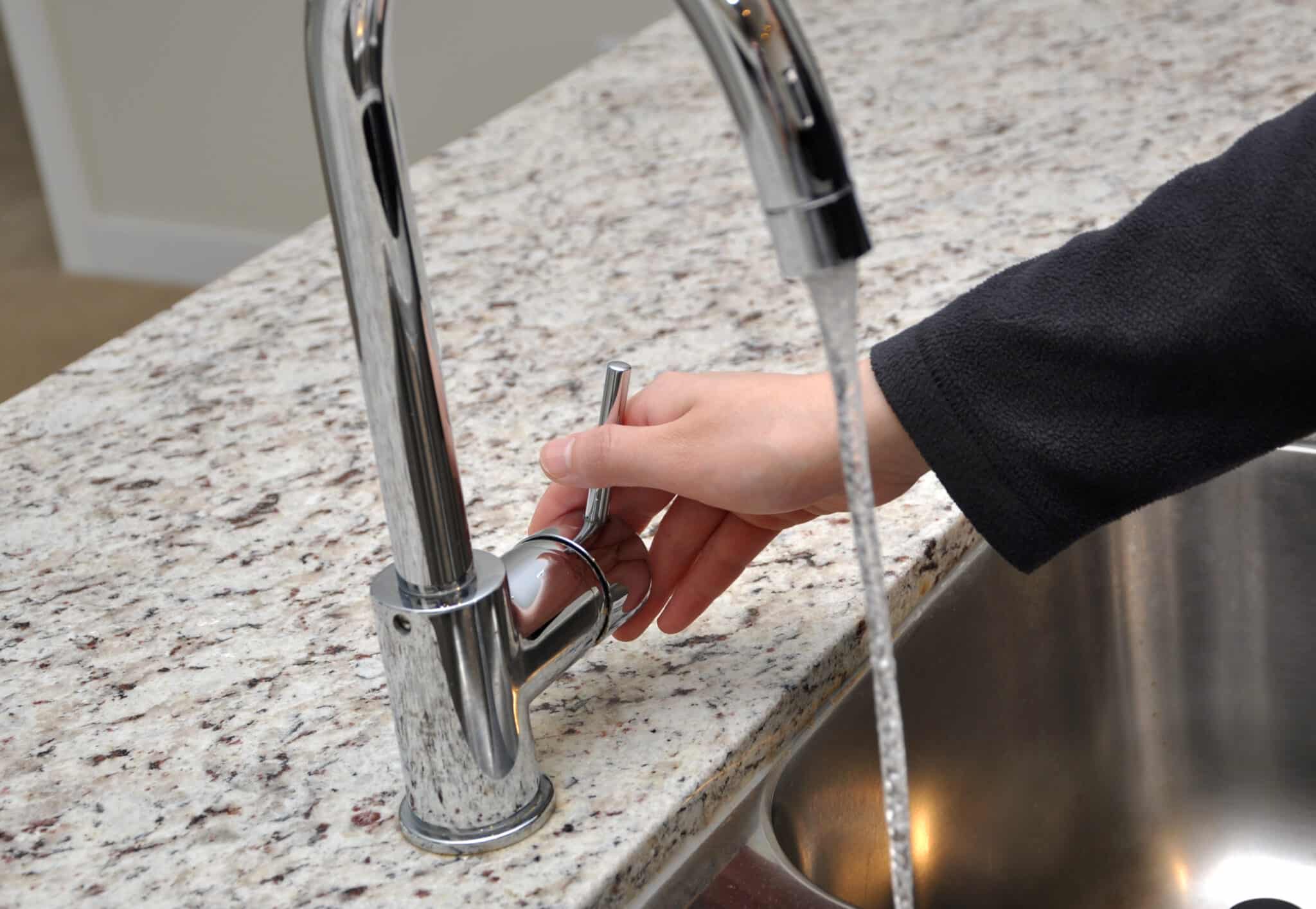
In Knoxville, TN, homeowners are increasingly looking for ways to conserve water without compromising on their daily comfort. Low flow retrofits offer a practical solution, striking the perfect balance between reducing water consumption and maintaining high pressure. These innovative upgrades are designed to fit seamlessly into your existing plumbing system, making them an ideal choice for those looking to make an eco-friendly change. By opting for low flow retrofits, residents can play a crucial role in conserving our precious resource.
Powell, TN, is also witnessing a growing interest in sustainable living practices, with low flow retrofits leading the way. These modifications are not just about saving water, they’re also about reducing utility bills and supporting environmental conservation efforts. The beauty of low flow retrofits lies in their simplicity and effectiveness, providing a straightforward path to a more sustainable home. It’s a win-win situation for both the homeowner and the planet.
The demand for low flow retrofits is on the rise, as more people recognize the importance of water conservation. These upgrades are easy to install and offer immediate results, making them a popular choice among environmentally conscious individuals. Whether you’re looking to retrofit your kitchen sink, shower, or entire plumbing system, there’s a low flow solution that meets your needs. Embracing these changes can significantly impact your water usage without sacrificing performance.
Choosing the right low flow retrofits requires careful consideration of your specific needs and goals. Fortunately, with the help of professionals in the field, navigating the options becomes much simpler. They can provide expert advice on the best retrofits for your home, ensuring you achieve the perfect balance of conservation and functionality. As residents of Knoxville and Powell, TN, embrace these eco-friendly upgrades, they contribute to a larger movement towards sustainability and responsible water use.
The Basics of Low Flow Retrofits
Understanding the basics of low flow retrofits starts with recognizing their core function. These devices are engineered to reduce water flow, yet they cleverly maintain pressure. This means showers still feel powerful and faucets remain effective. It’s an ingenious way to save water without noticing a difference in daily routines.
In Knoxville, TN, adopting these retrofits can be a straightforward process. Homeowners might start with simple changes, like installing aerators on faucets or low flow showerheads. These small devices are inexpensive yet offer significant savings on water bills. They’re the first step towards a more sustainable household without a hefty investment.
For those in Powell, TN, exploring more comprehensive solutions might be appealing. Whole-house retrofits, for example, encompass modifications to toilets, sinks, and even outdoor irrigation systems. These changes ensure every drop of water is used efficiently. Professionals can assess a home’s specific needs, providing tailored advice for maximum conservation.
Choosing to install low flow retrofits is not just a personal win, it’s a community victory. Every gallon saved contributes to the region’s water sustainability efforts. It’s a practical choice that aligns with a growing environmental consciousness. Residents who make this switch play a pivotal role in safeguarding our water resources for future generations.
Evaluating Your Home’s Water Use
Before deciding on low flow retrofits, it’s vital to assess your home’s water usage. This step involves understanding where and how much water your household consumes daily. By pinpointing these areas, you can identify where to implement changes. This approach ensures that the retrofits you choose are both effective and necessary.
In Knoxville, TN, homeowners can start by examining their most frequently used water sources. Whether it’s the shower, kitchen sink, or garden hose, each plays a significant role in overall consumption. Identifying these key areas helps direct your efforts towards the retrofits that will make the most impact. This targeted strategy maximizes water savings and enhances efficiency throughout the home.
Meanwhile, residents in Powell, TN, might consider conducting a professional water audit. Such an assessment provides a detailed breakdown of water use, revealing opportunities for improvements. With this information, homeowners can make informed decisions about which low flow retrofits will best suit their needs. A professional audit takes the guesswork out of the equation, ensuring every change contributes to conservation.
Ultimately, evaluating your home’s water use is a crucial step towards sustainable living. It lays the groundwork for selecting the right low flow retrofits, ensuring that every modification leads to significant water savings. By taking this thoughtful approach, homeowners can enjoy reduced utility bills and the satisfaction of contributing to environmental preservation. This proactive stance towards water conservation marks a positive step forward for communities and the planet alike.
Top Low Flow Retrofit Options for Bathrooms
When considering the bathroom, one of the most effective low flow retrofits is the installation of a low flow toilet. These toilets are designed to use significantly less water per flush without compromising flushing power. Homeowners in Knoxville, TN, find that swapping out older models for these efficient ones can lead to substantial water savings. This upgrade is particularly appealing for its dual benefits of conservation and cost savings.
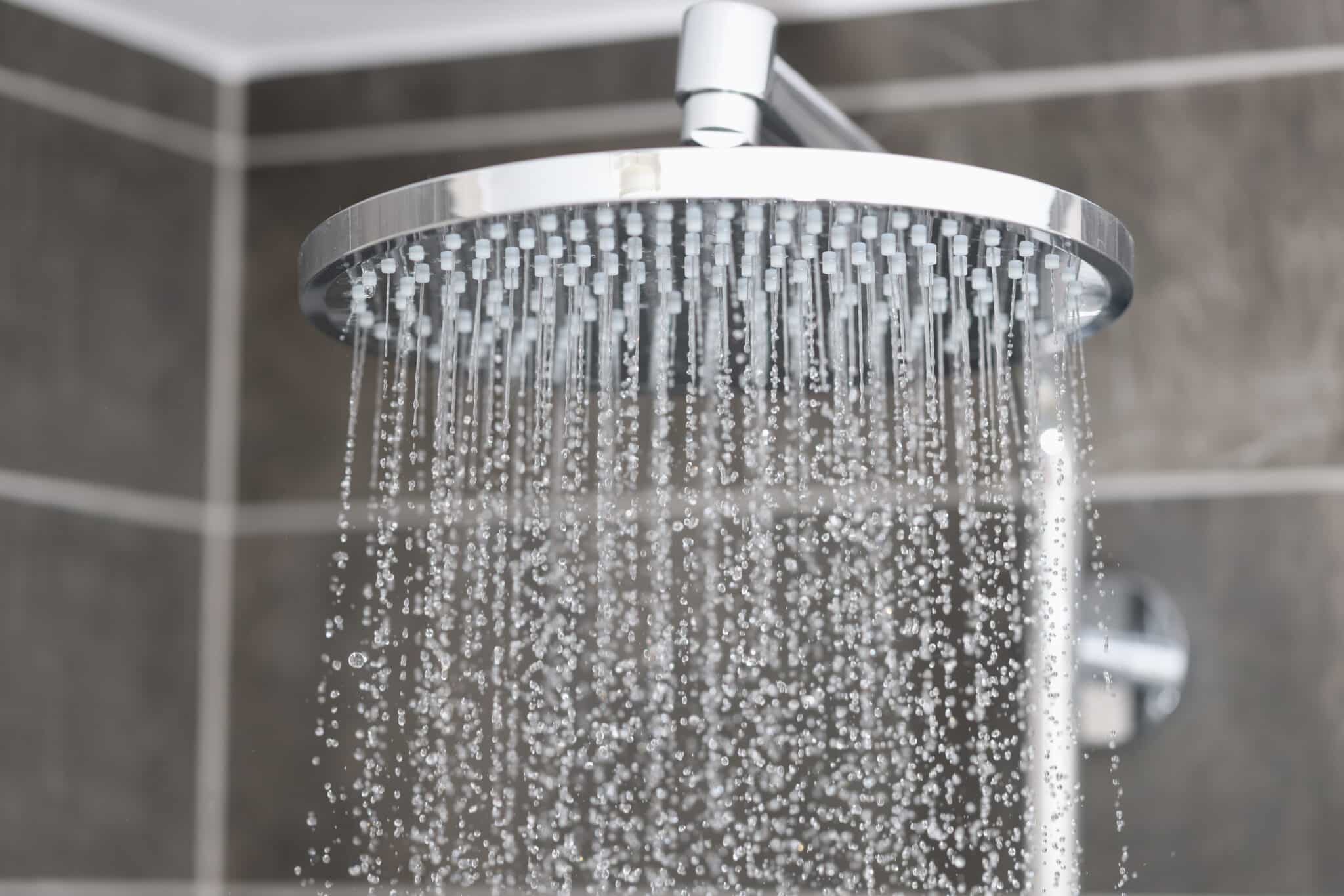
Another popular retrofit option is the low flow showerhead. These devices are engineered to reduce water usage while maintaining a strong and satisfying shower experience. Residents in Powell, TN, appreciate that this simple change does not affect their daily routines but significantly cuts down on water consumption. It’s an easy step towards a more sustainable lifestyle that anyone can take.
Faucet aerators are yet another cost-effective way to conserve water in the bathroom. By mixing air with water, they reduce flow without lowering water pressure. This means that washing hands or brushing teeth becomes an act of conservation. It’s a straightforward retrofit that delivers immediate results, making it a favorite among environmentally conscious homeowners.
Lastly, considering the use of low flow urinals in homes with multiple bathrooms can make a big difference. These fixtures are designed for efficiency, drastically reducing water use in households that opt for them. They represent a forward-thinking approach to water conservation, embodying the spirit of innovation that defines the movement towards sustainable living. With these retrofits, every bathroom becomes a testament to responsible water use, reflecting a commitment to preserving our planet’s most vital resource.
Implementing Low Flow Retrofits in Kitchens
In the kitchen, the benefits of low flow retrofits become abundantly clear, especially when it comes to the sink. By installing a low flow faucet, homeowners in Knoxville, TN, can significantly reduce water usage without compromising the effectiveness of their kitchen routines. This simple change ensures that tasks like washing dishes or rinsing vegetables are still performed efficiently. The upgrade is both eco-friendly and economical, offering a smart way to save water and money.
Another practical retrofit for the kitchen is the installation of efficient dishwashers that are designed to use less water. Residents in Powell, TN, find that these appliances are a perfect match for their low flow kitchens, enhancing their efforts to conserve water. These dishwashers deliver sparkling clean dishes while using a fraction of the water that older models consume. It’s an investment that pays off by reducing utility bills and minimizing water waste.
For those looking to further their conservation efforts, installing a water filtration system in the kitchen can reduce the reliance on bottled water. This not only saves water but also cuts down on plastic waste, making it a double win for the environment. With clean, filtered water directly from the tap, families can enjoy the convenience and taste of bottled water without the environmental impact. This retrofit complements the low flow upgrades, creating a kitchen that’s both sustainable and functional.
Lastly, considering the use of water-efficient cooking methods can also contribute to overall water savings. Techniques such as steaming vegetables instead of boiling them can conserve water while preserving the nutrients in food. This approach to cooking not only saves water but also encourages healthier eating habits. It shows that low flow retrofits extend beyond fixtures and appliances, influencing even the way we prepare our meals for a more sustainable lifestyle.
Benefits of Upgrading to Low Flow Devices
Upgrading to low flow retrofits brings numerous advantages, including significant water and financial savings. Homeowners in Knoxville, TN, find that making these changes not only lowers their utility bills but also contributes to a healthier environment. By reducing water usage, they play a part in conserving a vital resource. This shift towards more sustainable living practices reflects a growing awareness of environmental issues.
In Powell, TN, residents who opt for low flow retrofits experience an immediate improvement in their home’s efficiency. These upgrades, while simple, have a profound impact on daily water consumption. The satisfaction of knowing each drop of water is used wisely adds to the overall benefits. It’s a smart move for anyone looking to make their home more eco-friendly.
The community benefits of low flow retrofits extend beyond individual savings. By collectively adopting these practices, neighborhoods reduce the strain on local water systems. This collective action can lead to improved water quality and availability for all. It showcases how small changes at home can contribute to significant environmental benefits on a larger scale.
Finally, embracing low flow retrofits sets a positive example for others. It encourages a culture of sustainability and conservation that can inspire friends, family, and neighbors to make similar changes. This ripple effect of positive change can transform a community, making it more resilient and environmentally conscious. It’s a testament to the power of collective action in tackling global challenges.
Low Flow Retrofits and Water Pressure: What to Expect
Many homeowners worry that opting for low flow retrofits might lead to weaker water pressure, but this concern is largely unfounded. In Knoxville, TN, residents find that modern retrofit technologies are designed to maintain or even enhance the feeling of water pressure. By efficiently mixing air with water, these devices ensure that showers and faucets perform better than expected. This innovation allows for both water conservation and satisfying water use experiences.
In Powell, TN, the adoption of low flow retrofits has demonstrated that significant water savings do not equate to compromised functionality. People are often surprised by how these upgrades make little to no difference in their daily water usage routines. The clever design of low flow showerheads and faucets means enjoying vigorous showers and efficient sinks. It’s a testament to how well these retrofits merge conservation with consumer needs.
Understanding the mechanics behind low flow retrofits helps in setting realistic expectations about water pressure. These devices restrict water flow to a more sustainable level while aerating the water, which keeps the pressure up. This balance ensures that while less water is used, the pressure remains strong and effective for all household tasks. It’s a smart approach to water use that benefits both the environment and homeowners.
Finally, embracing low flow retrofits is a step towards a more sustainable lifestyle without sacrificing comfort or efficiency. The positive feedback from communities in Knoxville and Powell, TN, highlights the seamless integration of these devices into daily life. With the right retrofits, homeowners enjoy reduced water bills, contribute to environmental conservation, and still relish the comforts of high water pressure. It’s a win-win scenario that more residents are happily discovering.

How to Maintain Performance with Low Flow Retrofits
Maintaining performance with low flow retrofits is simpler than many homeowners might think. In Knoxville, TN, professionals recommend regular checks to ensure devices operate efficiently. This includes cleaning aerators and showerheads to prevent clogging by sediment. Such maintenance ensures water pressure remains consistent, offering both savings and satisfaction.
In Powell, TN, residents find that updating older plumbing can enhance retrofit efficiency. Replacing pipes that are prone to leaks or have become corroded can significantly improve water flow and pressure. This step, combined with low flow retrofits, maximizes water conservation efforts without compromising on performance. It’s a proactive approach to maintaining a sustainable home.
Educating all household members on the importance of conserving water plays a crucial role as well. Simple practices like turning off the tap while brushing teeth can amplify the benefits of low flow retrofits. It’s a collective effort that reinforces the value of each retrofit, making every drop of water count. Together, families can achieve remarkable savings and contribute to environmental preservation.
Lastly, consulting with a plumbing expert periodically can help identify any adjustments needed to maintain optimal performance. They can offer tailored advice for your home’s specific needs, ensuring low flow retrofits continue to provide the desired balance of efficiency and comfort. With expert guidance, homeowners can enjoy the full benefits of their eco-friendly upgrades, keeping water bills low and conservation efforts high.
Case Studies: Success Stories of Low Flow Retrofits
In Knoxville, TN, a family decided to install low flow toilets and showerheads throughout their home. They noticed a dramatic decrease in their water bill within the first few months. Their success story became a talking point in the community, inspiring others to consider similar retrofits. The family’s satisfaction with the balance between conservation and pressure highlighted the effectiveness of low flow retrofits.
Another example comes from Powell, TN, where a local restaurant made the switch to low flow faucets in their kitchens. This change not only reduced their water usage significantly but also maintained the high performance needed for their busy operations. The restaurant shared their positive experience, proving that commercial spaces can also benefit from these upgrades. Their story serves as a testament to the versatility and efficiency of low flow retrofits.
A community center in Knoxville embarked on a project to retrofit their entire facility with low flow devices. They implemented aerators, efficient toilets, and showerheads, leading to substantial water savings. The project showcased the potential for large-scale water conservation without sacrificing utility. This case study demonstrates how low flow retrofits can be applied effectively in public spaces as well.
Lastly, a homeowner in Powell shared their journey of retrofitting their irrigation system with low flow solutions. This adjustment significantly reduced their outdoor water use while keeping their garden thriving. Their experience illustrates that low flow retrofits extend beyond indoor applications, offering a comprehensive approach to water conservation. These success stories collectively underscore the impact and adaptability of low flow retrofits in various settings.
Frequently Asked Questions
What are low flow retrofits?
Low flow retrofits are upgrades designed to reduce water usage without compromising on pressure. These include installing efficient showerheads, faucets, and toilet systems. By optimizing water flow, they help households in Knoxville, TN save on utility bills. My Professional Plumber offers solutions that seamlessly integrate into your existing plumbing.
How do they maintain water pressure?
Low flow retrofits use advanced technology to keep water pressure high while reducing use. They mix air with water, creating a powerful flow that feels strong. This smart design ensures showers and faucets work efficiently without wasting water. My Professional Plumber specializes in fitting these eco-friendly options in Knoxville, TN homes.
Can they be installed in any shower?
Yes, low flow retrofits can fit into almost any shower setup. My Professional Plumber expertly installs them in a variety of bathroom styles. These upgrades are compatible with both older and modern plumbing systems. This makes them a versatile choice for Knoxville, TN homeowners looking to save water.
Who should consider low flow retrofits?
Anyone looking to cut their water bill should think about low flow retrofits. These upgrades are perfect for environmentally conscious homeowners in Knoxville, TN. My Professional Plumber makes installation easy, offering a quick way to enjoy savings and efficiency. Essentially, if you’re aiming to use water more wisely, these retrofits are for you.
Are there different types of low flow retrofits?
Yes, there are several types of low flow retrofits available. Options include aerators for faucets, efficient showerheads, and dual-flush toilet converters. My Professional Plumber can help you choose the best fit for your home in Knoxville, TN. Each type is designed to reduce water use while maintaining strong performance.