

Key Takeaways About HVAC Systems
Spring temperature swings cause frequent short cycles that stress heating and cooling equipment. This summary helps homeowners and property managers know when to act during transitional weather.
- Identify short cycles by tracking runtime and thermostat calls.
- Prevent unnecessary mode switches by adjusting deadband settings.
- Avoid compressor and motor wear with timely maintenance checks.
- Spot airflow problems by checking filters ducts and register flow.
- Reduce energy costs by addressing cycling related electrical loads.
- Plan professional inspection when strange noises leaks or trips occur.
Introduction
Spring temperature swings force HVAC systems to switch between heating and cooling more often than in other seasons. That frequent cycling stresses parts like the compressor, blower motor, and contactor. Homeowners notice higher energy bills and inconsistent indoor comfort when cycling ramps up. Left unchecked, the strain raises the chance of component failure at inconvenient times.
Rapid day to night temperature changes make thermostats call for both heat and cool within short windows. Each call starts the system and draws a larger current at startup than during steady operation. Start-stop cycles wear capacitors and relays faster than steady runs. The result is reduced efficiency and shorter component life.
Signs of trouble appear as odd sounds, short runtime, and weak airflow from supply registers. Moisture buildup and clogged condensate drains can follow when the unit cycles too often. In some homes in Oak Ridge, TN these symptoms prompt earlier service visits. Regular strain increases the risk of a mid-season breakdown.
Diagnosing the issue often begins with tracking runtimes and thermostat behavior over several days. A professional will inspect the heat exchanger, evaporator coil, refrigerant line set, and condensate drain for related problems. That inspection helps pinpoint whether cycling comes from mechanical wear, thermostat settings, or airflow restrictions. Acting early limits energy waste and reduces the chance of more costly repairs down the road.
How Spring Swings Force System Cycling
How spring temperature swings force system cycling means thermostats call HVAC systems to heat then cool within hours. Rapid swings make short cycles common and shorten component lifespans. Homeowners often ask, “Why does my system run only briefly and repeat?” The short answer is frequent starts draw high startup current and increase wear on moving parts.
- Frequent starts stress the compressor.
- Blower motors experience more start-stop wear.
- Contactors and relays deteriorate faster.
- Short cycles reduce overall efficiency.
Thermostat deadbands and auto-changeover settings influence how often the system switches modes. A homeowner asking whether thermostat programming matters should know it does affect cycle frequency. A professional will check the thermostat settings and measure runtime patterns with a clipboard or data logger. Correcting settings often reduces unnecessary mode changes.
Frequent cycling can hide airflow and refrigerant issues by masking longer runtime symptoms. A tech inspects the evaporator coil, condensate drain, and refrigerant line set to find contributing problems. In some homes in Oak Ridge, TN intermittent thermostat calls revealed a clogged return filter causing rapid temperature swings. For homes near Clinton, TN, older boilers and furnaces may interact with control settings during spring transitions, so consider inspecting heating controls.
Mechanical Wear Patterns From Frequent Cycling
Frequent start-stop cycles cause specific mechanical wear patterns on components that normally run longer and steadier. Bearings in the blower motor wear unevenly when the fan accelerates and decelerates dozens of times per day. Contactors and relays develop pitting on their contact faces from repeated arcing at each startup, which raises resistance and heat. Capacitors degrade sooner because they supply the larger startup current repeatedly, reducing their effective lifespan.
The compressor also shows distinct signs of cycling stress that differ from normal aging. Short cycles prevent full oil return to the compressor, which increases internal friction and raises operating temperatures. Valve assemblies can suffer fatigue from rapid pressure changes, producing reduced capacity and more vibration. A technician will look for oil residue, unusual vibration, and compressor run-hour patterns during inspection.
Airflow-related mechanical wear appears in the motor, belt, and fan assembly when filters or ducts restrict flow during frequent cycles. Motors working under higher load shorten bearing life and can trip on overloads more often. Belts and pulleys experience faster wear when the fan sees repeated torque spikes at each start. Technicians often inspect the blower wheel balance and measure voltage and current to confirm electrical strain.
Diagnosing these wear patterns starts with observable symptoms and a methodical inspection sequence by a professional. For example, a homeowner might hear a chattering relay, notice reduced airflow, or find uneven heating and cooling across rooms. A tech will record runtimes, check the contactor, test capacitor readings, measure current draw with a clamp meter, and inspect the condensate drain and evaporator coil. For properties with hydronic components, a related inspection may reference hydronic equipment like boilers or piping arrangements found in some systems such as hydronic heating systems, and pros in Oak Ridge, TN or Clinton, TN can advise on possible interactions between systems.
Thermostat Settings Impact On HVAC Systems
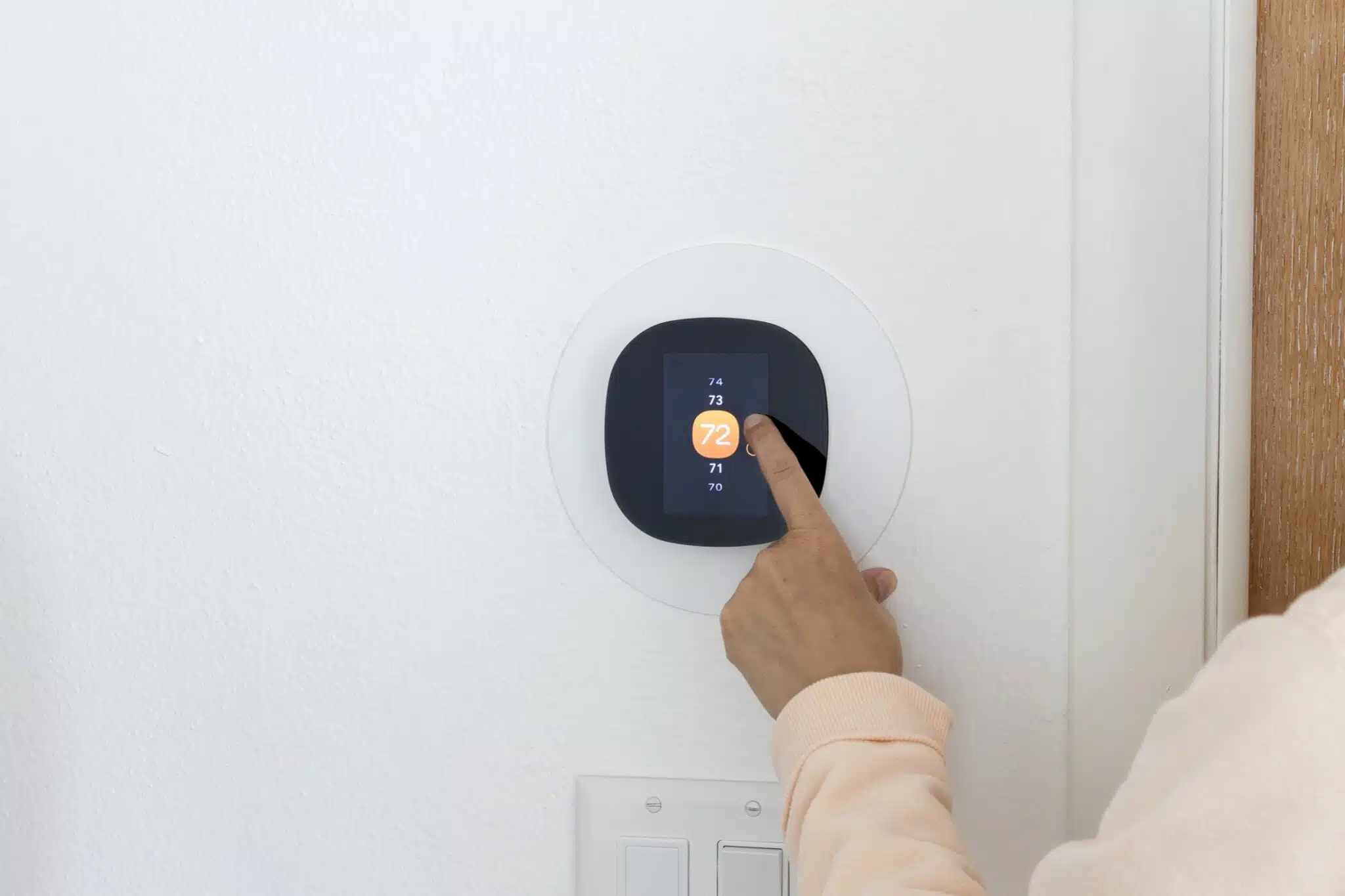
Thermostat programming and deadband settings change how often HVAC Systems switch modes during spring swings. A tight deadband makes the thermostat call for heating then cooling with small temperature shifts. Homeowners who set aggressive comfort schedules force frequent starts that add electrical and mechanical strain. Adjusting the setback range can reduce short cycles without losing comfort.
Manual overrides and auto-changeover features also affect cycling behavior in a home with combined heating and cooling equipment. If a thermostat automatically switches from heat to cool, it can create back-to-back mode calls within hours. A technician will check the thermostat’s cycle rate and control logic while monitoring room temperature trends with a thermometer or data logger. They may recommend changing mode settings or installing a separate heat/cool lockout.
Poor thermostat placement can trick controls into calling the system too often when a nearby heat source skews readings. A thermostat near direct sunlight, a kitchen, or a cold exterior wall gives inaccurate cues that lead to unnecessary startups. A professional inspects placement and verifies sensor readings against other room thermometers during diagnosis. Repositioning or using remote sensors often improves overall runtime balance.
Smart thermostats and older programmable units need different checks to limit wear on HVAC Systems during spring. A technician will review the schedule, minimum run time, and compressor lockout features to reduce cycling.
Refrigerant And Compressor Stress Explained
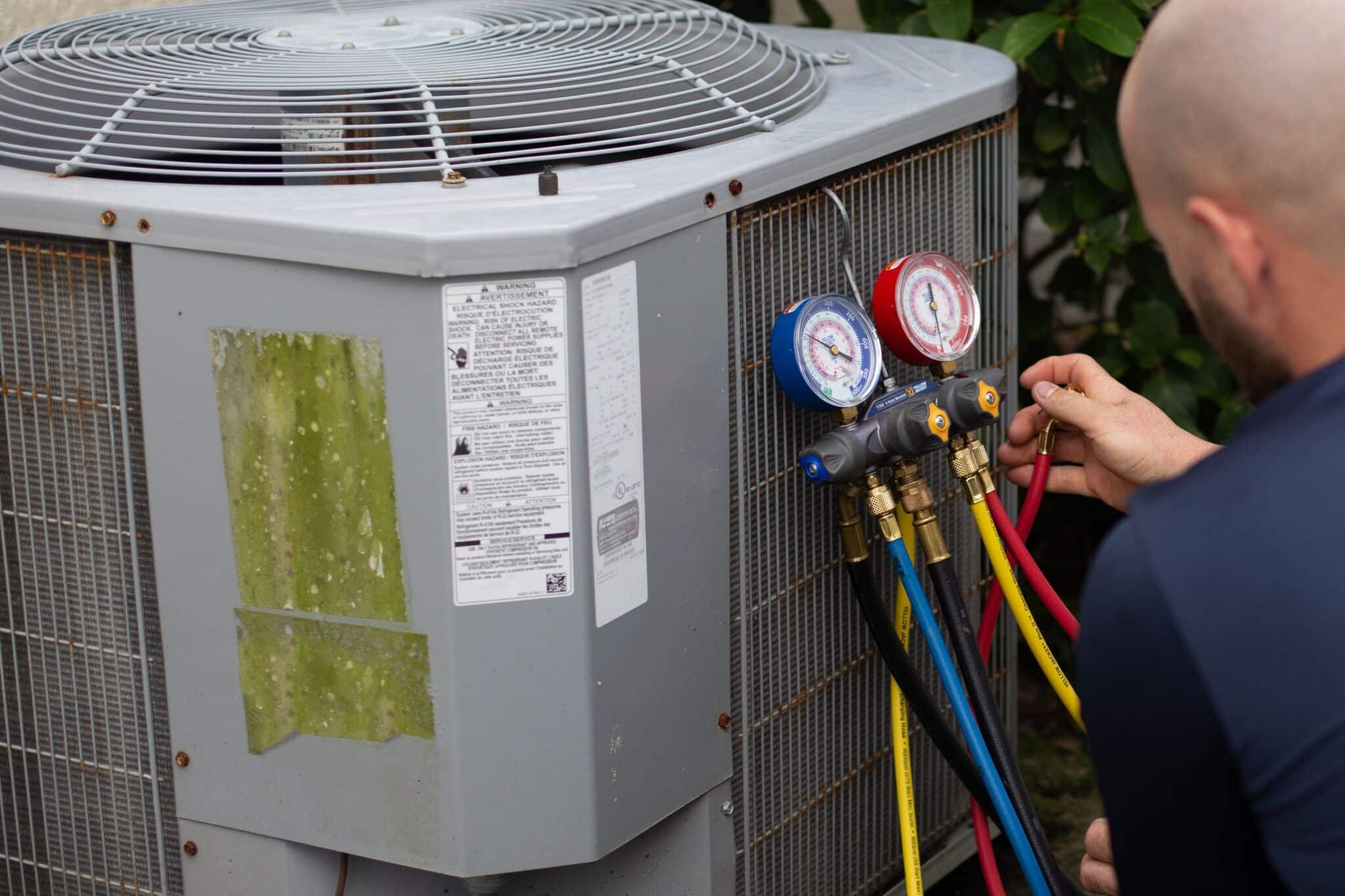
Compressor stress rises when refrigerant pressures swing rapidly between high and low during repeated short cycles. High pressure on startup and sudden drops on shutdown force the compressor to pump against changing loads. These pressure swings can cause increased vibration and faster wear on valves and bearings. A technician checks pressure readings and listens for unusual noises to evaluate internal compressor health.
- Measure suction and discharge pressures.
- Check compressor amperage draw.
- Inspect refrigerant line insulation.
- Look for oil traces on service ports.
Low refrigerant charge makes the compressor run hotter and cycle more often, reducing efficiency and life. Frost or ice on the evaporator coil and low suction pressure readings suggest undercharge during diagnosis. A pro uses manifold gauges and looks for consistent pressure-temperature relationships to confirm refrigerant issues. In some Clinton, TN homes, seasonal leaks show up only during these transitional months when cycling increases.
Overcharge also creates problems by raising discharge pressure and temperature, stressing the compressor and shortening its lifespan. High head pressure can trip safety controls and show up as frequent short cycles on runtime logs. Technicians will weigh refrigerant if needed and check for proper metering device function during an inspection.
Confirming compressor damage involves observable symptoms plus measurement: oil stains, higher-than-normal current, and abnormal vibration during operation. A professional may record voltage and current readings, take pressure-temperature logs, and photograph visible oil on the line set or fittings. These outputs create a clear repair recommendation and help prioritize fixes before a complete compressor failure. Early detection limits cost and avoids emergency replacements during peak temperature swings in Oak Ridge, TN.
Duct And Filter Issues That Reduce Efficiency
Blocked or leaky ductwork forces the system to run longer to reach set temperatures, which lowers overall efficiency. Duct gaps near joints or in attics make the blower push conditioned air into unheated spaces instead of rooms. A technician will check visible ducts, measure airflow at supply registers, and use smoke testing or pressure diagnostics to confirm leaks. Homeowners may notice uneven room temperatures and higher energy bills when ducts lose air.
Dirty filters restrict airflow and make the evaporator coil work under higher load, reducing heat transfer efficiency. Restricted flow raises the coil temperature differential and can cause the system to short cycle more often during variable spring weather. During inspection, a pro checks filter type, measures static pressure across the filter, and inspects the evaporator coil for dirt or icing signs. Regular filter changes often restore proper airflow and balance runtime performance.
Collapsed or undersized return ducts limit the system’s ability to pull air back to the unit, which raises blower motor current and stresses components. A technician will compare return grille airflow to supply airflow, look for obstructions, and inspect the return plenum for collapsing sections or disconnected joints. In some Clinton, TN homes, tight return paths in older constructions reveal the cause of weak airflow during diagnostics. Correcting return flow usually reduces load and improves comfort consistency.
> For example, a homeowner heard whistling at a central register and saw weak airflow, a pro then inspected the duct, found a disconnection near the plenum, measured static pressure, and restored a secure joint, which normalized airflow and reduced short cycling.
High resistance in the system from dirty filters, duct leaks, or restricted returns increases runtime and electrical load on blower motors and capacitors. Technicians often record voltage and amperage during diagnosis and may use an infrared camera to spot cold or hot spots along ducts. Combining airflow readings, pressure tests, and visual inspection gives clear evidence for repairs. Proper duct sealing, filter maintenance, and return balancing improve HVAC Systems efficiency and lower operating cost.
Energy Cost Increases And When To Intervene
Energy use rises when an HVAC system cycles frequently because each startup draws more current than steady operation. That repeated surge shows up on utility bills as higher kilowatt-hour totals over days and weeks. A homeowner tracking daily usage can spot spikes during stretches of variable spring weather and correlate them with short runtime patterns. Noticing this pattern early helps decide whether service is warranted before costs climb further.
Beyond raw energy numbers, inefficient cycling reduces seasonal energy efficiency ratios and raises the system’s effective cost per cooling or heating hour. Meter readings and runtime logs give a professional the evidence to compare expected consumption to actual use. During diagnosis a tech will record runtime, measure amperage at the compressor and blower, and inspect the thermostat program for frequent mode changes. Those measurements guide whether repairs, thermostat changes, or component replacement will lower bills.
Deciding when to intervene depends on trends and symptoms, not a single high bill month. If bills remain consistently above historical patterns while you also hear irregular starts or feel uneven comfort in rooms near the return, call a pro. A technician will perform targeted checks like measuring static pressure, testing capacitor and contactor performance, and verifying refrigerant pressures to identify root causes. For some homes in Clinton, TN or Oak Ridge, TN, this step prevents emergency failures during sudden temperature swings.
Some interventions save money quickly, while others require weighing repair cost against remaining equipment life. Replacing a failing capacitor or a worn contactor often restores normal cycling and reduces immediate energy waste. If a diagnostic shows major compressor damage, a tech will provide options and a written report to help homeowners decide on repair versus replacement. When in doubt, scheduling a professional inspection gives clear data and next steps without pressure.
Signs Homeowners Should Call A Pro For HVAC Systems
Warning signs that mean you should call a professional include repeated short cycles paired with new noises or visible leaks near the indoor unit. If you notice burning smells, tripped breakers tied to HVAC Systems, or persistent high humidity, these indicate electrical or drainage issues needing a trained tech. Rapid temperature swings that leave rooms very uneven despite thermostat changes also point to a deeper problem. In these cases, a technician can provide safe diagnosis and repair recommendations.
- Frequent short cycles with odd clicking sounds.
- Visible refrigerant oil or wet spots near lines.
- Breaker trips when the system starts.
- Indoor humidity stays high despite cooling.
A pro will follow a clear diagnostic path starting with observable symptoms and simple checks homeowners can confirm. They inspect the thermostat operation, measure compressor and blower current, and check condensate drain condition and evaporator coil cleanliness. Techs may use a clamp meter for amperage, manifold gauges for pressures, and a flashlight for visual line inspections. Written findings help you decide on repairs or further monitoring.
Call promptly when problems coincide with safety risks like burning odors or repeated electrical trips to avoid hazards. For routine seasonal concerns, schedule an inspection to catch slow failures before they become emergencies. Homeowners in Oak Ridge, TN and Clinton, TN should note local weather swings can reveal intermittent faults early in spring. While you wait for a visit, keep thermostats at stable setpoints and avoid manual cycling that stresses components.
Preventive Maintenance Tasks Homeowners Can Do
Start with simple visual checks around the indoor unit to spot loose wires, water stains, or oil traces that suggest leaks. Replace disposable filters with the correct size and pleat rating to avoid airflow restriction and added motor stress. Clean the return grille and vacuum dust from the blower access panel area to reduce debris entry into the fan. If you find oil or wet spots, stop and arrange professional inspection to avoid refrigerant or electrical hazards.
Test thermostat behavior by setting a stable temperature for 24 to 48 hours and recording cycle frequency to spot rapid changes. If the system calls for both heat and cool within short windows, consider increasing the thermostat deadband or enabling minimum run time. Check that the thermostat sits away from heat sources and direct sunlight so it measures room air accurately. For complex thermostat programming changes, consult a technician rather than guessing advanced settings.
Inspect condensate drain access points for slow drainage or standing water and clear minor clogs with a plastic drain brush or a wet-dry vacuum at the drain access. Pour one cup of household distilled vinegar down the drain every few months to discourage biofilm buildup, and avoid pouring bleach which can damage PVC fittings and seals. Ensure the condensate pan shows no rusted spots or cracks, visible damage calls for prompt professional repair. Homeowners in Oak Ridge, TN sometimes catch slow drains early by checking the pan during spring startups.
Listen for unusual startup sounds and watch supply registers for steady airflow during a cycle to detect early signs of motor or blower issues. Note the timing of cycles and any breaker trips, then share that information with a technician to speed diagnosis. Avoid DIY refrigerant work or electrical component replacement, these need licensed professionals for safety and code compliance. In Clinton, TN homes, scheduling a preventive inspection before peak season helps confirm system readiness and avoids emergency calls.
Frequently Asked Questions
Why do HVAC systems short-cycle during spring swings?
Spring temperature swings cause frequent short cycles because the thermostat rapidly crosses heating and cooling setpoints. Rapid on-off cycling stresses the compressor, blower motor, and contactor, increasing wear and reducing efficiency. Homeowners may notice odd noises, higher energy bills, and uneven indoor temperatures when short-cycling occurs. If cycles are very frequent or you smell burning, turn off the system and contact a professional for inspection and repair.
How do frequent start-stop cycles damage compressors?
Frequent start-stop cycles force compressors to work against high pressure differences, increasing mechanical stress on pistons and valves. Repeated cycling raises electrical demand at startup, which strains the motor and capacitor. Short runs prevent proper oil circulation and cooling, causing faster wear and higher failure risk. If you notice rapid cycling, turn off the system and call a professional, as this issue can lead to compressor burnout and electrical hazards.
Can thermostat settings cause rapid heat/cool changes?
Yes, aggressive thermostat changes can force HVAC systems to switch between heating and cooling more often, increasing cycle frequency and wear. Short setbacks or sudden large swings make compressors and blowers run repeatedly, shortening component life. A poorly located thermostat or incorrect swing/deadband settings can misread temperatures and trigger unnecessary cycling. If you notice rapid cycling, caution: contact a professional to inspect thermostat settings, controls, and system components to avoid damage.
What signs show blower or capacitor stress in HVAC Systems?
Look for weak airflow, uneven room temperatures, and reduced cooling despite the fan running, which often indicate blower motor strain. Listen for humming, squealing, or grinding noises coming from the air handler that suggest bearing or motor issues. Repeated short cycles, higher energy bills, and frequent tripped breakers can point to a failing capacitor under load. If you suspect electrical component failure, power down the system and call a professional to inspect the capacitor and blower safely.
When should I call a pro for repeated short cycles?
Call a pro if short cycles happen more than a few times daily or if runtime drops to under ten minutes per cycle. These patterns often indicate refrigerant, thermostat, or airflow problems that worsen quickly. A technician will inspect the thermostat, evaporator coil, condenser fan, compressor, and refrigerant pressures to diagnose. If you notice burning smells, loud bangs, or system overheating, turn the system off and call a professional immediately for safety.