

Key Takeaways About AC Replacement
AC Replacement covers when to replace a central air system based on age efficiency and repair history. This guide helps homeowners and property managers decide before comfort or costs become a bigger problem.
- Identify system age and documented repair frequency for decision making.
- Prevent wasted repairs by comparing repair costs to replacement benefits.
- Avoid safety risks by stopping use when electrical damage is present.
- Spot performance issues using temperature split and airflow checks.
- Reduce energy bills by estimating efficiency gains from newer units.
- Plan the changeout day steps and prepare the work area ahead.
Introduction
Deciding on AC replacement means more than fixing one part and hoping for the best. Homeowners face trade offs between system age, energy efficiency, and repeated repair costs that add up fast. When an older unit uses more electricity or needs parts that fail often, bills and discomfort rise. In Knoxville, TN seasonal demand can make delays more costly and inconvenient.
Recognizing the real problem matters because a failing system affects comfort, indoor air quality, and energy expenses. Strange noises, uneven cooling, and frequent short cycles often point to underlying issues beyond simple repairs. A technician will look at those symptoms and collect data before recommending a path forward. That inspection avoids wasting money on temporary fixes that do not address root causes.
You should expect a professional to confirm problems with hands on checks and basic measurements. They will examine the evaporator coil, refrigerant lines, blower motor, and thermostat operation. Simple diagnostic steps include visual inspection, a pressure gauge reading, and voltage checks at the contactor and capacitor. Clear evidence helps weigh whether replacement will save money and improve comfort long term.
For properties in Farragut, TN older systems can fail faster under heavy use and tight ductwork may worsen performance. A well-documented inspection report with photos and readings makes the decision clearer for homeowners. Preparing for a changeout also means knowing what components will be removed and what new equipment will replace them. If you notice persistent cooling problems, contact a professional to get an informed diagnosis and next steps.
Understanding How Central AC Systems Work
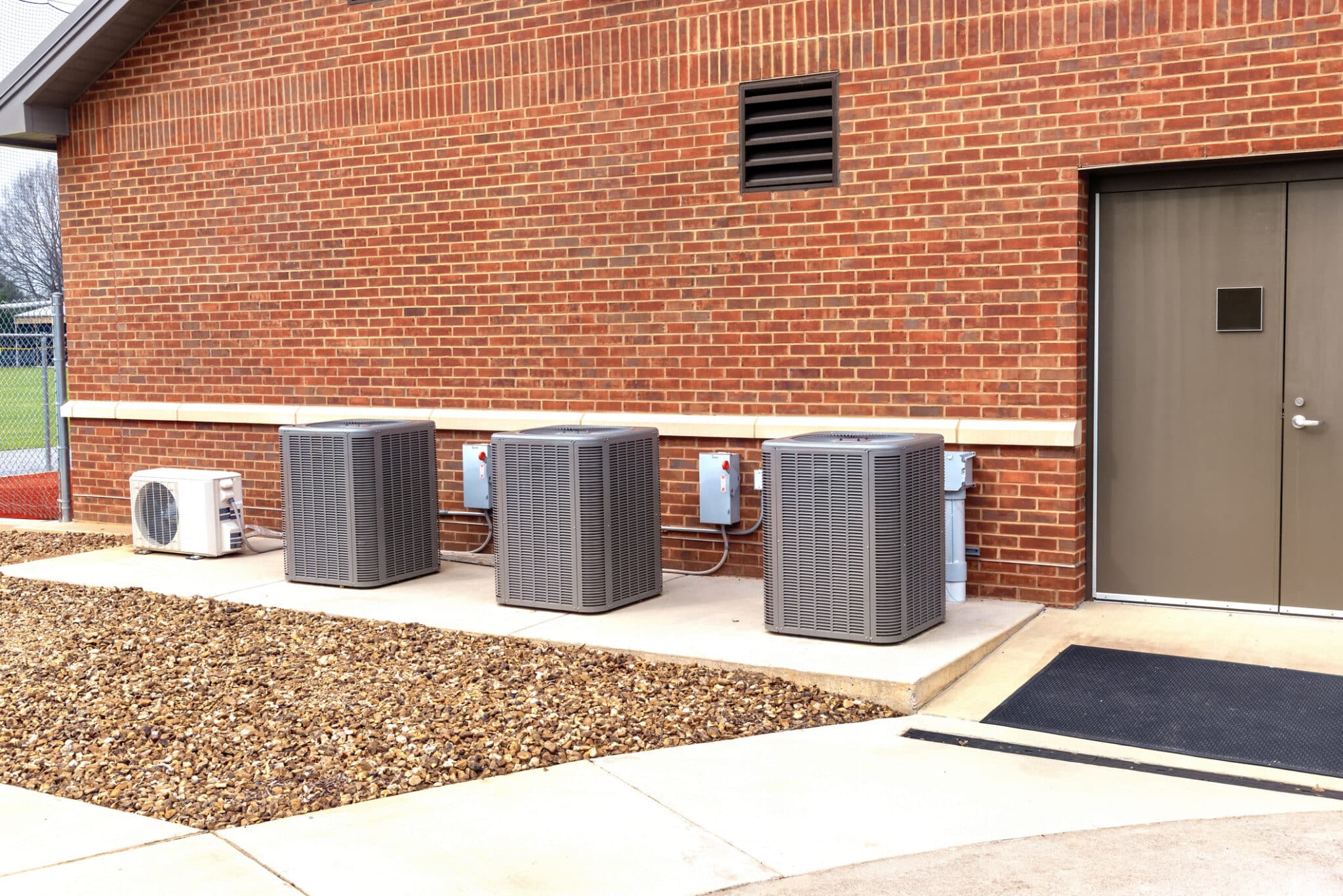
This section explains how a central air conditioning system moves heat out of your home using refrigerant, coils, and a blower fan.
- The compressor pumps refrigerant through the system.
- The condenser releases heat outside.
- The evaporator coil absorbs heat inside.
- The blower circulates cooled air through ducts.
Airflow problems often show as weak cooling or rooms that never reach the thermostat setting.
Thermostat faults, a failing capacitor, or a dirty evaporator coil can cause short cycling and higher bills.
Technicians will inspect refrigerant line pressure, test capacitor voltage, and read temperature splits during diagnosis.
When Age And Efficiency Signal Replacement
Older air conditioners lose efficiency as individual parts wear and refrigerant systems drift from original specs. A technician notes age by checking the compressor, evaporator coil condition, and system run hours recorded on the service sticker. Seasonal energy use and rising cooling bills often reflect lower SEER performance compared with modern units. Homeowners who track monthly electricity changes can spot a steady upward trend that suggests replacement might save money.
Frequent component failures indicate a system struggling to keep up and losing efficiency in hidden ways. Repeated capacitor, contactor, or blower motor replacements raise labor costs and often mean the remaining components are aging too. A professional will measure temperature split across the evaporator coil and read refrigerant pressures to confirm whether the system still operates within expected ranges. Those readings, combined with repair history, form a clear basis for recommending AC Replacement.
Rust, corrosion on the condenser fins, and oil stains on refrigerant lines signal physical decline that reduces cooling capacity and increases leak risk. Ductwork restrictions or a dirty evaporator coil can hide as low output, so technicians will inspect the supply plenum and return grille during diagnosis. They may use a temperature difference reading and airflow checks to separate duct problems from outdoor unit failure. For homeowners in Knoxville, TN these checks help weigh continued repairs against replacement benefits.
When deciding, evaluate remaining lifespan, expected efficiency gains, and likely repair frequency together rather than separately. A written inspection often includes photos, pressure gauge results, and a simple cost comparison for repair versus new installation. In some homes, replacing the system also offers a chance to address unrelated issues such as undersized ducting or poor thermostat location. For answers to common homeowner concerns before you schedule service, see the frequently asked questions and understand how a full system change can improve long term comfort in Farragut, TN.
Common Causes Of Repeated AC Failures Explained
Failing electrical components often cause repeated breakdowns before the compressor itself gives out. A technician inspects the capacitor, contactor, and blower motor for burn marks, bulging, or weak voltage readings. Replacing a capacitor can restore startup power temporarily, but recurring electrical faults suggest broader wear in the system. Homeowners should note if failures follow storms or power surges because that points to electrical stress rather than mechanical wear.
Refrigerant leaks remain a common hidden cause when systems repeatedly lose cooling capacity. A professional looks for oil stains on the refrigerant line set and performs a pressure gauge test to confirm low refrigerant. Repairing a small leak can be straightforward, yet multiple leaks or coil corrosion raise replacement concerns. For properties in Farragut, TN frequent leaks may indicate coil degradation or failing brazed joints that will likely recur.
Airflow restrictions can mimic major equipment failure and lead to repeated service calls if not corrected. Technicians inspect the return grille, supply plenum, and evaporator coil for blockage, using a temperature split and sometimes a simple airflow check. Clogged coils or reduced blower output strain the compressor and shorten system life when left untreated. Fixing duct leaks or cleaning coils may stop repeat failures but a very weak blower motor often signals an impending larger repair.
Poor maintenance history frequently underlies repeated issues and faster component decline. A service report with recorded readings, photos, and a noted lack of scheduled maintenance helps diagnose chronic problems. Regular filter changes, condensate drain clearing, and coil cleaning reduce many common failure modes and improve measured performance. Homeowners considering a broader home system upgrade can also review indoor water quality or filtration upgrades when scheduling service, like evaluating options from water purification systems.
How Repair Costs Compare To Replacement Decisions
When repair costs start to approach the value of a newer system, homeowners should compare expected remaining lifespan to replacement benefits. Calculate total likely repairs over the next two to five years and compare that to efficiency gains from a new unit. Include probable labor, parts, and any required refrigerant recharge in the repair total. A clear comparison helps avoid repeatedly paying for short-lived fixes.
- List recent repairs and their dates.
- Note parts replaced and remaining warranty status.
- Record measured outputs like temperature split.
- Estimate annual energy use before and after replacement.
A professional diagnosis makes the comparison reliable by confirming root causes and future failure risk. Technicians will test refrigerant pressure, inspect the evaporator coil, and read voltage at the capacitor and contactor. They may also evaluate airflow at the supply plenum and measure temperature drop across the coil. These checks produce concrete readings to include in a written estimate.
Consider soft costs that repairs do not address, such as improving duct sizing or thermostat placement during a changeout. Replacement allows pairing a new condenser with a matched evaporator coil for correct refrigerant charge and performance. A new system can eliminate recurrent visits for the same failures and reduce emergency service calls. Homeowners in Knoxville, TN should weigh those service stability benefits alongside simple repair math.
If ongoing minor issues force frequent technician visits, replacement often proves more convenient and economical long term. For properties in Farragut, TN frequent component replacements can quickly exceed the practical value of keeping an old compressor. Also include potential energy savings and any eligible rebates in the homeowner’s comparison. If uncertain, ask for a written repair-versus-replace estimate and documented diagnostic readings before deciding, and check related services like drain cleaning when coordinating multiple home projects.
Energy Savings And Rebates For New Systems
Newer air conditioners often lower monthly electricity bills because they use higher SEER components and tighter refrigerant controls. Measuring expected energy savings starts with comparing current seasonal energy use to manufacturer efficiency ratings for replacement options. A technician can estimate annual kilowatt-hour reductions using measured runtime, compressor amperage, and local cooling hours. Homeowners in Knoxville, TN should request those projected savings on the written estimate to include in decision math.
Federal and utility rebates sometimes offset part of a system purchase when the new unit meets efficiency thresholds or uses approved refrigerants. Check current programs before buying because rebate qualifications and availability change over time. Your installer can typically help with paperwork and required product information to submit a claim. For homes facing hidden leaks, consider coordinating a professional inspection like leak detection services before submitting rebate documentation.
Financing options can make energy-saving upgrades more accessible by spreading payments over months or years with predictable terms. Review the financing details on the vendor’s offer page and compare interest rate and total repayment to expected monthly utility savings. Avoid assuming savings will fully cover payments without a written projection that includes realistic run hours and thermostat settings. See the company’s financing page for plan examples and qualification steps.
When estimating net benefit, include avoided repair bills and improved comfort alongside energy savings and rebate value. A clear breakdown in the estimate should show expected annual energy cost, rebate amount, and finance payment for transparent comparison. For properties in Farragut, TN small rebates plus moderate efficiency gains may still justify replacement when repair frequency remains high. Ask for a written summary that lists measured inputs used to calculate projected savings and rebate eligibility.
When Homeowners Should Call A Professional Service
Call a professional when basic troubleshooting does not stop symptoms like short cycling, weak airflow, or rising electric bills despite simple fixes. Technicians will run targeted diagnostics such as refrigerant pressure checks, capacitor voltage readings, and airflow measurement at the supply plenum. If the system shows oil on refrigerant lines or frequent tripping at the circuit breaker, those clues often need a trained technician to confirm root cause. In Knoxville, TN homeowners should document symptoms and recent repairs before the visit to speed diagnosis and decision-making.
Schedule service if repairs are becoming frequent or the unit cycles excessively during hot weather, which suggests component stress. A contractor examines the evaporator coil, blower motor, and contactor, and will record temperature split readings and voltage tests for a written report. Those measurable outputs help determine whether repair costs will continue to escalate or if an AC Replacement is more sensible. For properties in Farragut, TN a documented failure pattern can justify prioritizing replacement over repeated part swaps.
Contact a professional immediately when you detect burning smells, visible scorch marks on electrical components, or persistent leaks from the indoor unit, since these pose medium safety risk. The technician will check the capacitor, contactor, and wiring with a multimeter and inspect the condensate drain for blockages or overflow. If electrical faults appear, they may recommend isolating power and scheduling prompt corrective action to reduce fire or equipment damage risk. Keep pets and children away from the equipment until a qualified technician confirms it is safe.
Ask for a written inspection that includes photos, measured readings, and a clear repair-versus-replace recommendation so you can compare options confidently. A good report will list observed failures, estimated remaining component life, and projected energy savings from replacement using measured runtime and amperage. Also inquire about coordinating other home projects during service, such as water heater work when trades are already on site, and reference water heater repair if you plan combined visits. Use the report to schedule next steps without pressure and to budget for either repairs or a planned AC Replacement.
What To Expect During A Professional AC Replacement
Expect a clear schedule for the workday that lists arrival time, major steps, and estimated completion so you can plan. Technicians remove the outdoor condenser and indoor coil carefully, documenting existing conditions with photos and written notes during the process. They will label and cap refrigerant lines if required and keep refrigerant recovery compliant with EPA handling practices. Ask for a brief walkthrough of the controls and thermostat setup before technicians leave so you understand operation.
- Disconnect power to the system before work begins.
- Remove the old condenser and coil assembly safely.
- Install the new matched outdoor and indoor components.
- Vacuum and charge the refrigerant system correctly.
- Test electrical connections and thermostat response.
During installation, contractors balance practical concerns like access to the condenser pad and duct connections to avoid surprises. They will verify refrigerant charge using pressure gauges and measure temperature drop across the evaporator coil to confirm performance. Technicians also test blower motor current and capacitor voltage, recording values in the final report for your records. If any duct modifications are needed, they will outline those changes and show affected areas before proceeding.
After the system runs, expect a checklist of functional tests including startup cycles, thermostat response, and condensate drain flow validation. The installer should provide a written report with measured voltages, pressure readings, and photos of key connections to keep with your maintenance records. They will explain routine maintenance tasks you can do and recommend service intervals tailored to your home’s usage patterns. For homeowners in Knoxville, TN ask about any local rebate paperwork and documentation the installer will supply.
If questions arise after the changeout, the contractor should offer a contact route for follow-up and warranty clarification without high pressure. Keep the report and any manuals in a safe place to streamline future service calls and warranty claims. For properties in Farragut, TN coordinate any additional HVAC or home services through the company’s local contact page to schedule follow-up work. A clear handoff ensures you know who to call and what readings were left as the basis for performance expectations.
Preparing Your Home For A Smooth System Changeout
Clear a work area around the outdoor condenser and the indoor air handler so technicians can move tools and parts safely. Move vehicles and trim vegetation that could block access to the condenser pad or driveway. Secure pets and keep children away from the work zones during the changeout to avoid accidental contact with tools or refrigerant lines. If you have broken or loose registers, point them out so the crew can address or protect them during removal.
Empty or move items from closets or attics near the air handler to provide room for removing the old coil and installing the new one. Cover furniture and electronics near the work area to reduce dust and debris exposure while technicians cut or seal duct connections. Note any taste or odor concerns from the ductwork so the installer can inspect the return grille and evaporator area for contamination. Ask the crew to document any preexisting damage with photos before they start alterations.
Plan for the technicians to need electrical and water access, and confirm the circuit breaker labeling so power can be safely isolated during the swap. If your property has an older electrical panel, tell the crew if breakers tend to trip, because they will verify breaker sizing and connections during testing. Keep the thermostat accessible and clear so installers can run component-level checks and calibrate controls after charging the refrigerant. Provide a nearby parking spot for a service vehicle and clear a path from curb to equipment for parts delivery.
Gather paperwork for any rebate or finance program you intend to use and have model preferences or prior inspection reports ready to discuss with the installer. If you plan to be on site, set aside questions about routine maintenance and recommended filter sizes so the technician can answer efficiently. For properties in Farragut, TN consider scheduling the changeout on a mild day to reduce strain on household comfort during the swap. When you are ready to schedule a visit or ask pre-appointment questions, use the company’s contact page to set a convenient time.

AC Replacement Frequently Asked Questions
When should I consider AC replacement instead of repairs?
Consider AC replacement when your unit is older than 10–15 years and performance steadily declines despite repairs. If repairs cost more than half the value of a new system, replacement often saves energy and future bills. A professional will inspect the compressor, evaporator coil, refrigerant levels, and airflow to confirm diagnosis. If you smell burning or see electrical damage, stop the unit and call a licensed technician immediately for safety.
How does system age affect cooling and energy use?
As an air conditioner ages, its compressor and evaporator coil lose efficiency and the system holds less refrigerant charge. Older systems run longer to reach set temperatures, raising energy use and utility bills. Excess wear increases risk of breakdowns and refrigerant leaks, so stop operation if you smell a strong chemical odor and call a professional. When frequent repairs drive costs up, consider AC replacement to restore efficiency and reduce long-term energy use.
What inspections confirm a failing compressor or coil?
A technician inspects the compressor by checking refrigerant pressures with gauges and comparing readings to manufacturer specs. They test electrical components like the capacitor, contactor, and motor with a multimeter to confirm failures. For coils they perform a visual check for corrosion, bent fins, oil stains, and use temperature split and airflow measurements to detect blockages. If you suspect compressor or coil failure, stop system use and call a professional because handling refrigerant and electrical components carries safety risks.
How will a professional perform an AC replacement day?
A technician arrives with the new outdoor unit, indoor coil or air handler, and necessary tools, then powers down the system for safety. They remove the old condenser and disconnect refrigerant following EPA guidelines, then recover refrigerant with certified equipment. The crew installs the new unit, connects the refrigerant line set and electrical wiring, evacuates the system, then charge and test for correct pressures and temperatures. After confirming thermostat operation and checking the condensate drain and airflow, the technician cleans the work area and reviews system care with the homeowner.
What costs and savings should I compare before replacing?
Compare the remaining lifespan of your current AC, its SEER rating, and projected efficiency losses over time. Estimate annual energy use differences based on efficiency and how much cooling you need each season. Factor recurring repair frequency and parts like the compressor, capacitor, refrigerant line set, and labor for future fixes. If you suspect refrigerant leaks or electrical hazards, stop using the unit and call a licensed professional for diagnosis and safe AC replacement planning.