


Key Takeaways About AC Overuse
This article explains why energy bills can rise even without obvious AC Overuse. It is for homeowners and property managers who want to find hidden causes before costs and damage grow.
- Identify hidden HVAC faults that raise electrical draw and runtime.
- Prevent air leaks and duct losses that waste cooled conditioned air.
- Avoid poor insulation and moisture that increase cooling demand quickly.
- Spot component issues like motors capacitors and dirty coils early.
- Reduce runtime by fixing thermostat placement and calibration problems.
- Plan professional diagnostics that measure pressures amps and temperatures.
Introduction
Many homeowners see rising energy bills and assume AC overuse caused the jump. Numbers climb even when the thermostat stays steady. Hidden HVAC inefficiencies, air leaks, and poor insulation quietly drive energy waste. That rising cost hits monthly budgets and masks system problems before failures occur.
Air leaks around windows and doors let cool air escape and warm air enter. Older insulation loses effectiveness and creates uneven temperatures across rooms. A strained blower motor or dirty evaporator coil can make the system run longer. These issues add runtime without obvious signs on the thermostat.
Symptoms can be subtle like odd sounds, higher humidity, or a sudden spike on the electric bill. A failed capacitor or sticky contactor can increase energy draw while cooling output falls. Homeowners in Maryville, TN notice that older homes often show these warning signs first. For properties in Seymour, TN, similar hidden faults can worsen quickly during seasonal temperature swings.
Identifying the cause early reduces needless energy use and prevents costly repairs later. Professionals use inspection steps and simple diagnostic checks to confirm faults accurately. Prompt diagnosis focuses on measurable readings and visible damage rather than guesswork. Taking action sooner keeps systems efficient and bills more predictable.

How Hidden HVAC Inefficiencies Raise Bills
Hidden HVAC inefficiencies are internal faults or wear that make your system use more electricity without obvious thermostat changes.
- Dirty filters reduce airflow.
- Clogged condensate drains cause shutdowns.
- Worn blower motors draw extra current.
- Dirty coils lower heat transfer.
One common homeowner question is whether a noisy system means inefficiency, and the answer is yes in many cases.
Technicians check the evaporator coil, blower motor, and capacitor to confirm inefficiency with basic tests and readings.
In Maryville, TN and Seymour, TN homes, age and maintenance histories change how quickly these inefficiencies appear and worsen.
How Air Leaks Cause Energy Losses
Air leaks let conditioned air escape and unconditioned air enter, forcing the system to run longer each cycle. Leaks commonly occur at window frames, door thresholds, recessed lights, and where plumbing stacks pass through floors. You might notice drafts, cold or warm spots, or a room that never reaches the set temperature. A simple smoke test or holding a damp hand near seals can reveal fast-moving air from gaps.
Leaky ducts also move cooled air into unconditioned spaces like attics or crawlspaces, wasting capacity and increasing runtime. Technicians often check the supply plenum, return grille, and visible duct seams for disconnected or crushed sections. Using an infrared camera and a pressure gauge helps spot major leakage paths during a diagnostic. In many houses, adding duct mastic or properly sealing connections reduces losses noticeably.
Household behaviors can worsen leak impacts, such as frequently opening exterior doors or running bathroom fans during hot afternoons. Leaks raise humidity indoors, making the AC run longer to remove moisture even when temperature seems steady. For homes in Maryville, TN, older single-pane windows and sill gaps are common contributors to this problem. Addressing these issues lowers runtime and makes the system feel less strained.
Professionals confirm air-leak effects by measuring temperature differentials between supply and return air and recording runtime. They may perform a blower door test for whole-house leakage or use targeted smoke tests around suspect areas. After sealing, they document improvements with reduced run times and lower delta-T readings across the coil. Homeowners concerned about leaks can combine basic checks with a professional inspection like a plumbing inspection to catch related penetrations quickly.
Why Poor Insulation Affects Cooling Costs
Poor insulation raises cooling costs by letting your home gain heat from outside surfaces, ceiling, and exterior walls during warm days. Heat transfer through walls and attic surfaces forces the air conditioner to remove more heat each hour. You may see longer runtime without lower thermostat settings when insulation lacks proper R-value. In Maryville, TN homes with older attic insulation, the attic-to-living-space heat flow often shows up as steady system runtime.
Insulation gaps around recessed lights, plumbing chases, and rim joists create concentrated thermal bridges and raise local loads on the return air. These weak spots cause particular rooms to stay warmer while the rest of the house feels acceptable. A homeowner might notice warmer ceilings or heat near exterior walls in the afternoon when sun exposure is greatest. Professionals inspect attic insulation depth and look for compressed or missing sections to locate these bridges.
Wet or settled insulation loses effectiveness and increases humidity indoors, which makes the AC run longer to maintain comfort. Moisture can come from roof leaks, high indoor humidity, or plumbing penetrations that lack proper sealing. Technicians use a moisture meter and visual inspection to confirm wet insulation and check the integrity of the vapor barrier. If insulation shows clumping or discoloration, replacement or targeted remediation often restores thermal performance.
Inspectors diagnose insulation problems by measuring attic temperature, checking insulation depth, and comparing supply and return temperature differences. They may use an infrared camera during a cool evening to reveal warm wall sections or missing insulation in exterior cavities. After fixing insulation and sealing penetrations, recorded runtime and delta-T across the coil help confirm reduced energy use.
How Thermostat Settings Influence Usage Decisions
Thermostat choices shape how often your AC cycles and how hard it runs during each event. Small setbacks like aggressive setback schedules can cause short cycling or long runtimes when the system struggles to catch up. Smart thermostats add convenience but can also create unexpected runtime spikes if sensors sit in hot or cold spots. Adjusting setpoints gradually reduces demand and keeps compressor starts more orderly.
- Set a modest temperature change for daytime setbacks.
- Avoid frequent manual setpoint changes throughout the day.
- Place the thermostat away from direct sunlight.
- Use programmed schedules to limit unnecessary starts.
- Check sensor placement if readings seem inconsistent.
Fan settings influence perceived AC performance and actual energy use in different ways. Running the fan continuously evens temperatures but raises electric use compared to auto fan mode. Homeowners may think continuous fan use avoids AC Overuse, yet it can increase blower motor runtime and energy consumption. Consider shorter fan cycles to balance air mixing with energy savings.
Thermostat calibration and sensor errors mislead homeowners about true indoor conditions and the system workload. A thermostat offset by several degrees can make the AC run longer than necessary without changing user setpoints. Technicians confirm calibration by comparing thermostat readings to another thermometer and by checking return and supply air temperatures. If calibration is off, simple recalibration or relocating the sensor restores accurate control and reduces unnecessary runtime for Seymour, TN homes.
Occupant behavior interacts with thermostat settings to change system demand throughout the day. Opening doors, running appliances that emit heat, or cooking near the thermostat pushes the system to run more often. Professionals diagnose thermostat-related issues by recording runtime, checking temperature differentials across the evaporator coil, and observing thermostat placement. For suspected moisture-related control problems, pairing a thermostat check with a water leak inspection such as water leak detection can reveal hidden causes behind odd runtime patterns in Maryville, TN.
What Duct Problems Do And When To Act
Duct problems often hide where you cannot see them, and they change how air moves through the house. Disconnected or crushed sections reduce supply to rooms, creating uneven temperatures and forcing longer runtime to reach setpoints. A torn return grille or blocked boot increases static pressure, which stresses the blower motor and raises energy draw. Homeowners may notice weak airflow or whistling near vents as the first signs of duct trouble.
Leaks in ducts move conditioned air into unconditioned spaces, reducing overall system efficiency even without obvious AC Overuse. Technicians check duct seams and the supply plenum for gaps, using visual inspection and pressure checks to estimate loss. An infrared camera during operation helps reveal cool spots on duct runs that indicate leakage or poor insulation. Sealing with mastic and adding insulation over exposed ducts often restores proper airflow and lowers runtime.
When ducts are poorly sized or routed, some rooms get too much air while others get too little, which increases compressor cycles and energy use. Professionals measure supply and return temperatures, record static pressure, and take airflow readings at representative registers to diagnose sizing or balance issues. They may also inspect the blower motor, capacitor, and filter fit to rule out component-related airflow loss. For connected problems where air moves into wall cavities or under floors, a combined check with leak detection services can find hidden pathways that worsen losses.
Act sooner when you hear persistent duct rattling, feel large temperature differences between rooms, or log steadily rising bills without increased thermostat use. A technician will perform targeted tests like register airflow measurements and a duct pressure test to confirm faults before recommending repairs. Simple fixes include sealing seams, reconnecting runs, adding insulation, or rebalancing dampers to restore even distribution. In Maryville, TN and Seymour, TN homes, addressing these duct issues quickly often reduces runtime and prevents motor strain that leads to costlier failures.
How Refrigerant Issues Increase Energy Use
Low refrigerant levels reduce cooling capacity, so the system runs longer to meet the thermostat setpoint. Homeowners may notice less cool air from vents and higher humidity in living spaces. A technician first checks suction and discharge pressures with a gauge set to confirm charge levels. If pressures read low, the next step is inspecting refrigerant line set connections and the service valve for visible leaks.
Leaks in the refrigerant circuit allow oil and refrigerant to escape together, which harms compressor lubrication and efficiency. Common inspection steps include testing for oil stains at fittings, performing a soap-bubble or electronic leak check around joints, and using a dye or UV lamp when applicable. Technicians also measure superheat and subcooling across the evaporator and condenser to determine whether the charge is correct. These readings help decide if a simple recharge will restore performance or if a repair is required first.
Incorrect refrigerant charge or wrong refrigerant type increases compressor run time and electrical draw without obvious thermostat changes. A failing compressor start component like a capacitor can compound the problem by increasing current during startup. Professionals compare line-set temperature differences and record amp draw at the compressor before recommending repair or replacement. In Seymour, TN and Maryville, TN homes, small leaks left unattended often lead to repeated recharges and escalating energy costs.
Repairing refrigerant problems requires locating leaks, repairing or replacing damaged sections, and properly evacuating and recharging the system to manufacturer levels. After repairs, a technician will recheck pressures, measure delta-T across the coil, and log runtime to show efficiency improvement. Homeowners should prioritize professional diagnosis because venting refrigerant or improper charging can harm equipment and violate regulations. For related maintenance that keeps systems draining properly and prevents access-related moisture issues, consider scheduling regular drain cleaning services like those described in this overview of regular drain cleaning services.
When To Call A Pro For AC Overuse Concerns
Call a trained technician when you notice persistent symptoms that simple checks do not fix. Examples include steadily rising bills, odd compressor sounds, or strong humidity despite cooling. A pro will inspect components like the blower motor, capacitor, and evaporator coil. If electrical measurements or pressures sit outside normal ranges, they will recommend targeted repairs to restore efficiency.
- Schedule a diagnostic when energy bills rise without clear cause.
- Call for unusual noises or frequent short cycling.
- Contact a pro if you smell burning or see scorch marks.
- Book an inspection after visible refrigerant oil or moisture near lines.
During a visit, a technician follows a clear diagnostic sequence to confirm the fault. They measure supply and return temperatures, record compressor amp draw, and check refrigerant pressures. Technicians also inspect duct connections and static pressure to find hidden airflow restrictions. These measurable checks separate AC Overuse perceptions from real system problems requiring repair.
Some issues require coordinated trades when repairs cross systems or require access through plumbing cavities. For example, a technician might find ductwork routed near plumbing penetrations that need sealing to stop airflow loss. Homeowners in Maryville, TN should act quickly if unexplained moisture accompanies cooling problems. For properties in Seymour, TN, persistent inefficiency often benefits from a timed diagnostic before small faults escalate.
How Simple Maintenance Reduces Hidden Waste
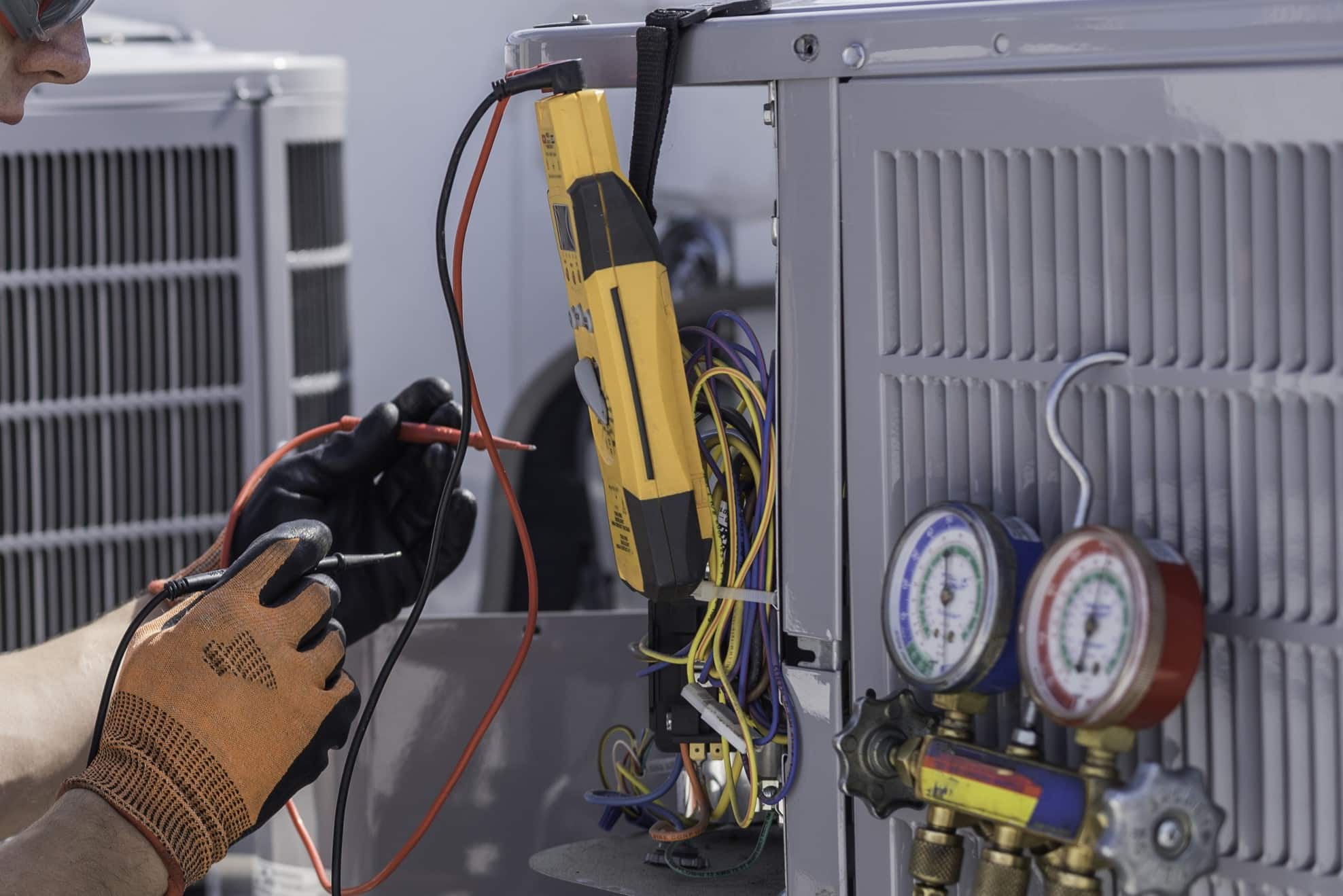
Regular maintenance catches small faults that quietly increase runtime and energy waste before they become major repairs. Change filters on schedule to maintain airflow and reduce blower motor strain, and inspect the condensate drain for slow flow. Technicians will also check belt condition and clean accessible coil surfaces during routine visits to keep heat transfer efficient. These actions save energy without requiring major system changes.
Lubricating fan bearings and verifying capacitor health prevent higher startup currents that raise bills even when thermostat settings stay steady. A simple motor amp check during service identifies abnormal draw that points to wear or electrical issues. Replacing worn capacitors or tightening electrical connections often restores normal starting behavior and reduces continuous energy loss. Homeowners notice quieter starts and steadier operation after these small repairs.
Sealing small gaps around service ports, duct collars, and ceiling penetrations during maintenance prevents conditioned air from leaking into crawlspaces or attics. Technicians commonly use mastic or approved foil tape to make lasting seals that lower runtime and improve balance.
Routine checks include measuring supply and return temperatures and recording runtime so homeowners see objective improvements after maintenance. Professionals document readings and provide a short written report showing before-and-after values when they replace parts or seal leaks. For Maryville, TN properties, seasonal tune-ups before peak cooling months reduce the chance of mid-summer surprises. Homeowners in Seymour, TN often find that steady maintenance keeps humidity in check and lowers perceived AC Overuse.
Frequently Asked Questions
Why do energy bills rise without obvious AC Overuse?
Rising energy bills without obvious AC Overuse often come from hidden losses like air leaks, poor insulation, or duct leaks that force longer run times. Dirty evaporator coils or a clogged condensate drain reduce cooling efficiency and make the system work harder. A failing blower motor, bad capacitor, or low refrigerant can raise electricity use even when thermostat settings are normal. If you smell burning, hear grinding, or see water leaks, stop use and call a professional to inspect for safety risks.
Could hidden duct leaks cause higher cooling costs?
Yes, hidden duct leaks can raise cooling costs by letting cooled air escape into attics, crawlspaces, or walls instead of living areas. Leaks make the air conditioner run longer to maintain set temperatures, which looks like AC Overuse even when you did not change the thermostat. Homeowners may notice uneven room temperatures, higher runtime on the thermostat, or increased utility bills without heavy AC cycling. If you suspect leaks, exercise caution around attic insulation and electricals, and hire a professional for a duct pressure test and sealed repairs.
How does poor insulation increase AC runtime?
Poor insulation lets cool air escape and warm air enter, so the thermostat calls for cooling more often. The HVAC runs longer to replace lost cooled air, increasing runtime and wear. Longer cycles can lead to higher energy costs and contribute to AC Overuse if unnoticed. If insulation issues involve attic or duct access, exercise caution and consider a professional inspection to assess and fix leaks.
Can a faulty blower motor raise electric bills?
Yes, a faulty blower motor can raise electric bills by drawing more current while running inefficiently. Reduced airflow forces the system to run longer, increasing run-time energy use. Burnt bearings or a failing capacitor can cause higher amperage and warming electrical components. If you suspect a motor issue, turn off the system and call a professional to inspect and replace parts safely.
Do thermostat placement or settings affect AC Overuse?
Yes, thermostat placement and settings can cause your system to run longer and mimic AC Overuse by misreading indoor temperature. A thermostat in direct sunlight, near a heat source, or behind doors often short-cycles the compressor or holds the fan on. Incorrect settings like aggressive setback programs or constant fan mode raise runtime and energy without comfort gains. If you suspect wiring issues, erratic readings, or unsafe wiring, stop and call a professional for diagnosis and repair.