


As winter approaches in Oak Ridge, TN, preparing your home for the colder months becomes a top priority. Among the crucial tasks is hose bib winterization, a simple yet effective measure to prevent water damage from freezing temperatures. This process involves a few steps that safeguard your outdoor spigots from bursting pipes and costly leaks. Understanding how to properly winterize your hose bibs can save you from the hassle and expense of emergency repairs.
For residents in areas like Sevierville, TN, where temperatures can dip significantly, hose bib winterization is not just a recommendation, it’s a necessity. The method ensures that your home’s exterior water sources are well protected against the freeze-thaw cycle that leads to pipe damage. By taking action before the first frost, homeowners can rest easy knowing their outdoor plumbing is secure. It’s a proactive approach that pays off in the long run, preventing water damage and maintaining the integrity of your plumbing system.
The importance of hose bib winterization cannot be overstressed, especially in regions prone to sudden temperature drops. Without it, you risk the possibility of water freezing inside your pipes, expanding, and eventually causing a burst. This can lead to significant water leakage, soil erosion, and even compromise the foundation of your home. Taking the time to perform this simple maintenance task can avert these potential disasters, ensuring your home stays dry and damage-free throughout the winter months.
Fortunately, hose bib winterization is a straightforward process that homeowners in Knoxville, TN, and its surroundings can undertake with confidence. By following a step-by-step guide, you can ensure your outdoor faucets are prepared to withstand the cold. Not only does this protect your property, but it also extends the life of your plumbing. With the right knowledge and a little effort, you can keep your home safe and dry, avoiding the common pitfalls of winter weather.
Understanding Hose Bib Winterization
Understanding hose bib winterization starts with recognizing the components involved in your outdoor plumbing system. In Oak Ridge, TN, homeowners should first identify all outdoor spigots on their property. This initial step is crucial for ensuring every potential risk area is addressed before the cold sets in. Knowing where your hose bibs are helps you apply protective measures effectively and efficiently.
Next, it’s essential to drain water from these spigots and detach any hoses. Leaving water in the lines or hoses attached can trap water, which then freezes and expands, leading to potential damage. Residents in Sevierville, TN, find this step particularly important as it directly prevents the risk of bursting pipes. Draining and detaching are simple tasks that go a long way in safeguarding your home’s exterior plumbing.
After draining the water, the use of insulating covers comes into play. These specialized covers add an extra layer of protection against freezing temperatures. They are readily available and easy to install, making them a practical choice for homeowners looking to secure their hose bibs against the cold. This method effectively keeps the cold air away from the spigot, significantly reducing the chance of freezing.
Lastly, consider shutting off the interior valves that supply water to these outdoor spigots. This step ensures no water makes its way to the hose bibs during the winter months. It’s a measure that, while often overlooked, provides comprehensive protection for your plumbing system. By following these steps, homeowners can achieve effective hose bib winterization, keeping their homes safe and dry through the winter season.
Tools and Materials Needed for Hose Bib Winterization
Before diving into hose bib winterization, gathering the right tools and materials is a must. Homeowners in Oak Ridge, TN, will need a few basic items to get started. These include insulating covers designed specifically for outdoor spigots, a screwdriver for any adjustments, and possibly pliers to remove any stubborn hose attachments. With these tools at hand, the process becomes much smoother and more manageable.
Next, acquiring quality insulating materials is crucial for effective hose bib winterization. Foam insulation tape or pre-formed foam insulating covers are excellent choices for keeping the cold at bay. Residents in Sevierville, TN, might also consider using insulated faucet socks, which easily slip over the spigot, offering added protection against freezing temperatures. Ensuring you have these materials ready before the cold sets in can make all the difference.
In addition to insulation, it’s wise to have a bucket or container nearby when draining your outdoor spigots. This will catch any remaining water, preventing messes and potential slip hazards. A flashlight might also come in handy, especially for spotting hard-to-see areas under the house or in poorly lit spaces. These simple tools can aid significantly in the winterization process, ensuring a thorough job.
Finally, don’t overlook the importance of labeling your tools and materials for hose bib winterization. This helps keep everything organized and easily accessible for the next season. By preparing and storing your winterization supplies properly, you ensure a quick and hassle-free start when it’s time to protect your home from the cold again. With everything in place, homeowners can approach hose bib winterization with confidence, knowing they’re well-equipped to safeguard their property.
Step 1: Shutting Off the Water Supply
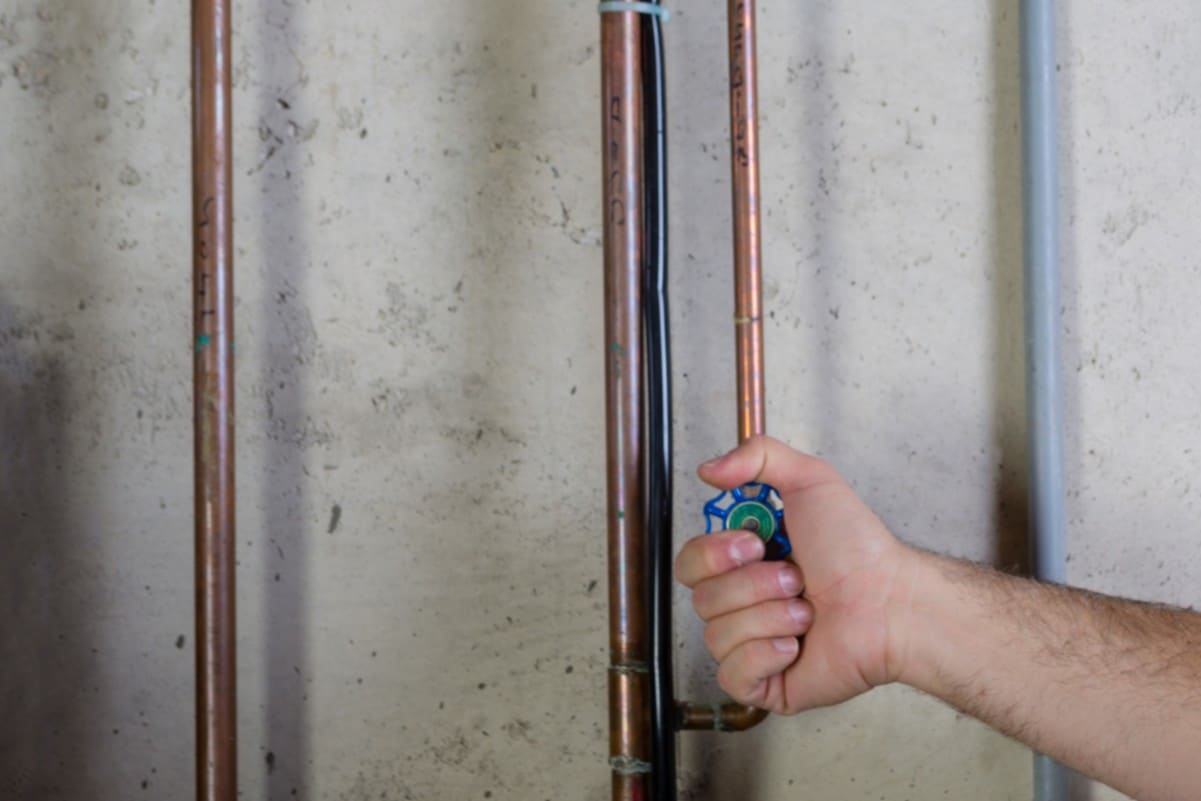
Starting the hose bib winterization process begins with a crucial step: shutting off the water supply to your outdoor spigots. This action prevents water from entering the pipes that lead outside, which is essential for avoiding the freeze and burst cycle. Homeowners can usually find the shut-off valve in the basement, garage, or utility room. Turning this valve off ensures that no water flows to the outdoor faucets during the colder months.
Once the water supply is off, it’s important to open the outdoor spigots to drain any remaining water. This step helps to clear the pipes of water that could freeze and expand, causing damage. By allowing the water to flow out, you effectively minimize the risk of burst pipes. Residents in Oak Ridge, TN, find this to be a simple yet effective measure in their winterization routine.
After draining the water, it’s wise to leave the spigots in an open position throughout the winter. Keeping them open prevents pressure build-up from any water that might enter the pipe, intentionally or by accident. This practice is a safeguard against unexpected temperature drops that could lead to freezing. It’s an often overlooked step that provides an additional layer of protection for your plumbing during cold snaps.
Finally, double-checking that all indoor valves connected to outdoor spigots are turned off completes this initial phase. This ensures that no accidental water flow occurs during the winter months. Residents in Sevierville, TN, benefit from taking this extra precaution, as it reinforces the overall effectiveness of hose bib winterization. With the water supply securely off, your outdoor plumbing is well-prepared for the freezing temperatures ahead.
Step 2: Draining the Hose Bib
After successfully shutting off the water supply and opening the outdoor spigots, the next step in hose bib winterization involves thoroughly draining the hose bib. This action is crucial as it ensures no water remains in the pipes that could potentially freeze and expand, causing damage. Homeowners in Oak Ridge, TN, should allow the water to fully drain from the spigots, a process that might take a few minutes but is essential for effective winterization. This step not only prevents freezing but also extends the lifespan of your outdoor plumbing.
Once the water has been completely drained, it’s important to detach any hoses connected to the spigots. Leaving hoses attached can trap water inside, which then freezes and increases the risk of damage to both the hose and the spigot. Residents in Sevierville, TN, will find that removing hoses is a simple yet significant measure in protecting their home’s exterior plumbing from winter’s harsh effects. This also provides an opportunity to inspect hoses for damage and store them properly for the winter.
Next, thoroughly inspect the hose bib for any leaks or drips that could indicate a need for repairs. Even a small drip can lead to significant problems if water freezes within the spigot or pipe. Addressing any issues now, before the onset of freezing temperatures, is a proactive approach to hose bib winterization. This step ensures that your efforts to protect your plumbing are not undermined by pre-existing conditions that could lead to burst pipes or other complications.
Finally, it’s beneficial to add a layer of insulation to the drained and inspected hose bibs. This can be done using insulating covers or foam insulation tape, which provides a barrier against the cold. By insulating your hose bibs, you further reduce the risk of freezing and the potential for burst pipes. This last measure solidifies your winterization efforts, ensuring your outdoor plumbing is well-protected against the freezing temperatures that winter in Tennessee can bring.
Insulating Your Outdoor Spigots for Winter
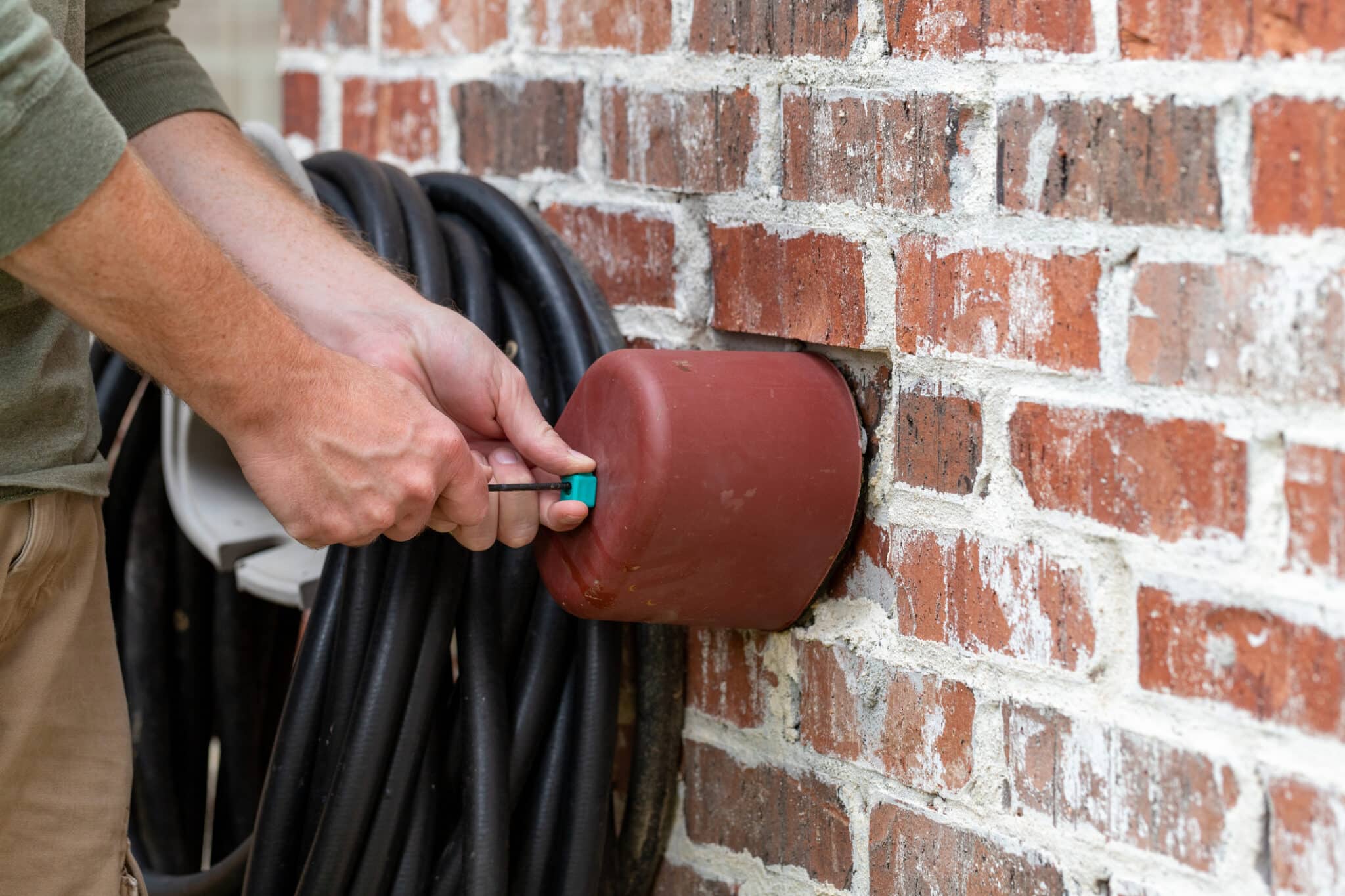
After ensuring that your hose bibs are drained and inspected for any possible leaks or damage, the next crucial step in hose bib winterization involves insulating your outdoor spigots. This process is vital in Oak Ridge, TN, where winter temperatures can dip low enough to freeze any residual moisture in or around your plumbing fixtures. Using insulating covers or foam insulation tape provides a protective barrier that keeps the cold at bay. Proper insulation not only prevents freezing but also contributes to the overall efficiency of your home’s heating system by minimizing potential cold spots near outdoor plumbing.
Installing these insulating materials is a straightforward task that homeowners can do themselves. First, wrap the hose bib with foam insulation tape or place an insulating cover over it, making sure it fits snugly to eliminate any exposure to the cold air. This step is especially important in areas like Sevierville, TN, where the cold can penetrate any unprotected spaces, increasing the risk of freeze damage. Ensuring a tight fit is crucial for effective insulation and ultimately protects your plumbing from the harsh winter conditions.
Additionally, it’s beneficial to inspect the surrounding area for any gaps or holes in the walls or foundation where the spigots are mounted. Small openings can allow cold air to reach the pipes, undermining your insulation efforts. Caulking these gaps or using expandable foam insulation can further safeguard your home against cold air intrusion. This added layer of protection helps maintain a consistent temperature around your plumbing, reducing the likelihood of freezing.
Finally, remember to periodically check the insulation throughout the winter months for any signs of wear or damage. The effectiveness of hose bib winterization depends on the integrity of the insulation, so prompt repairs or adjustments are necessary to maintain optimal protection. By taking these proactive steps, homeowners can ensure their outdoor spigots remain well-protected against the freeze-thaw cycles common in Tennessee winters, keeping their plumbing safe and functional.
Step 3: Installing Frost-Free Hose Bibs
For homeowners looking to enhance their hose bib winterization efforts, installing frost-free hose bibs offers a robust solution. These specialized spigots prevent water from remaining in the pipe close to the exterior, where it’s most vulnerable to freezing. By design, frost-free hose bibs shut off the water flow deep within the wall, significantly reducing the risk of freezing. This upgrade in Oak Ridge, TN, can provide peace of mind through the coldest months, ensuring your outdoor plumbing remains intact.
Transitioning to frost-free hose bibs involves a straightforward installation process that many find to be a worthwhile investment in their property’s longevity. First, the existing spigot is removed, which may require some basic plumbing skills or the assistance of a professional. Next, the new frost-free hose bib is positioned and secured, with careful attention to ensure it slopes downward. This slope is critical as it allows any residual water to drain out, further preventing the possibility of freezing.
In addition to installing frost-free hose bibs, homeowners should consider adding an accessible shut-off valve inside their homes. This valve allows for easy control of the water flow to outdoor spigots, offering an extra layer of protection against unexpected freezes. Residents in Sevierville, TN, find this feature especially beneficial, as it simplifies the hose bib winterization process and enhances the overall effectiveness of their freeze protection measures.
Maintaining your frost-free hose bib is equally important to ensure its longevity and functionality. Regular inspections for leaks, corrosion, or damage are recommended, as these issues can compromise the bib’s freeze-resistant properties. By taking proactive steps to install and maintain frost-free hose bibs, homeowners can significantly improve their hose bib winterization efforts, safeguarding their homes against the challenges of winter weather.
Checking for Leaks and Damage Pre-Winter
As the final step in hose bib winterization, checking for leaks and damage before winter fully sets in is essential. This process begins with a thorough inspection of each outdoor spigot in Oak Ridge, TN. Look for any signs of wear, such as cracks or rust, that could indicate a potential for leaks. Identifying and addressing these issues now can prevent water damage and ensure the effectiveness of your winterization efforts.
Next, turn the water supply back on temporarily to test the integrity of your hose bibs. As the water flows, watch closely for any drips or leaks that may not have been visible while the system was drained. Homeowners in Sevierville, TN, will find this step crucial for catching any small problems that could lead to big headaches when temperatures drop. After testing, remember to shut off the water supply again to maintain your winterization work.
If any leaks or damage are found during your inspection, taking immediate action is key. Simple repairs can often be made by replacing worn washers or tightening loose connections. However, more significant issues might require the expertise of a professional plumber. Acting quickly to repair any damage ensures that your hose bibs are fully prepared for the freezing temperatures ahead.
Finally, make a note of any repairs or replacements made as part of your hose bib winterization process. Keeping a record helps you track the condition of your outdoor plumbing over time. It also makes it easier to prepare for next winter, as you’ll have a clear understanding of what areas may need extra attention. With these steps completed, your outdoor spigots in Oak Ridge, TN, and Sevierville, TN, are well-protected against the cold, giving you peace of mind all winter long.
Hose Bib Winterization Tips and Tricks
To ensure hose bib winterization is effective, one handy tip is to mark your calendar for an annual check-up. In Oak Ridge, TN, setting a reminder for early fall allows ample time to prepare before the first freeze. This proactive approach prevents the rush and potential oversight of crucial steps. Keeping a consistent schedule helps maintain your plumbing’s integrity through the winter months.
Another trick for homeowners is to apply silicone-based lubricants to the threads of your hose bibs after insulating them. This extra step, often overlooked, can prevent your spigots from seizing up due to the cold in Sevierville, TN. Lubrication not only makes it easier to operate your spigots in spring but also extends their lifespan. It’s a simple yet effective way to enhance the protection of your outdoor plumbing.
For those with multiple outdoor faucets, color-coding your insulating covers can streamline the winterization process. Assigning a specific color to each faucet allows for quick identification and ensures no spigot is missed. This organizational tip saves time and ensures thorough coverage, especially in larger properties where hose bibs might be spread out. It’s a creative solution to keeping track of your winterization efforts.
Lastly, investing in a quality hose reel for storing your garden hoses can significantly aid in hose bib winterization. Proper storage prevents hoses from cracking and splitting during cold weather, a common issue that leads to unnecessary expenses. By coiling your hoses neatly and storing them in a dry place, you protect them from the elements. This not only preserves your hoses but also keeps your outdoor area tidy and prepared for the next season.
Frequently Asked Questions About Hose Bib Winterization
What is Hose Bib Winterization?
Hose bib winterization is the process of preparing your outdoor faucets for cold weather. It helps prevent water from freezing inside the pipes, which can lead to bursts and leaks. This involves draining and insulating the spigots to protect them from the harsh winter temperatures. By doing so, homeowners in Oak Ridge can avoid costly repairs and ensure their outdoor plumbing remains intact.
How often should I check my hose bibs?
It’s best to check your hose bibs at least twice a year. Aim for once in the spring before heavy usage begins and again in the fall when preparing for hose bib winterization. These checks help catch any issues early, ensuring your outdoor plumbing stays in top shape. Regular maintenance can save you from unexpected repairs and keep your water flowing smoothly.
What tools are needed for winterization?
For hose bib winterization, you’ll need a few basic tools. A screwdriver and adjustable wrench are essential for removing and adjusting parts. Insulation materials, like foam covers, protect your spigots from freezing temperatures. Lastly, a bucket helps catch any remaining water as you drain the lines. These tools make the winterization process smooth and effective.
Can Hose Bib Winterization prevent all freeze damage?
Hose bib winterization greatly reduces the risk of freeze damage by keeping water from freezing in pipes. However, it cannot guarantee total protection against all types of freeze damage. Extreme temperatures and unforeseen insulation failures can still pose a risk. Regular maintenance and early preparation are key to minimizing potential damage during the winter months.
When is the best time to winterize hose bibs?
The best time to winterize hose bibs is in the fall, before the first freeze hits Oak Ridge. This timing ensures your outdoor plumbing is prepared for the cold months ahead. Waiting until temperatures drop can risk damage to your pipes. Early preparation keeps your water flowing smoothly and prevents costly repairs.