




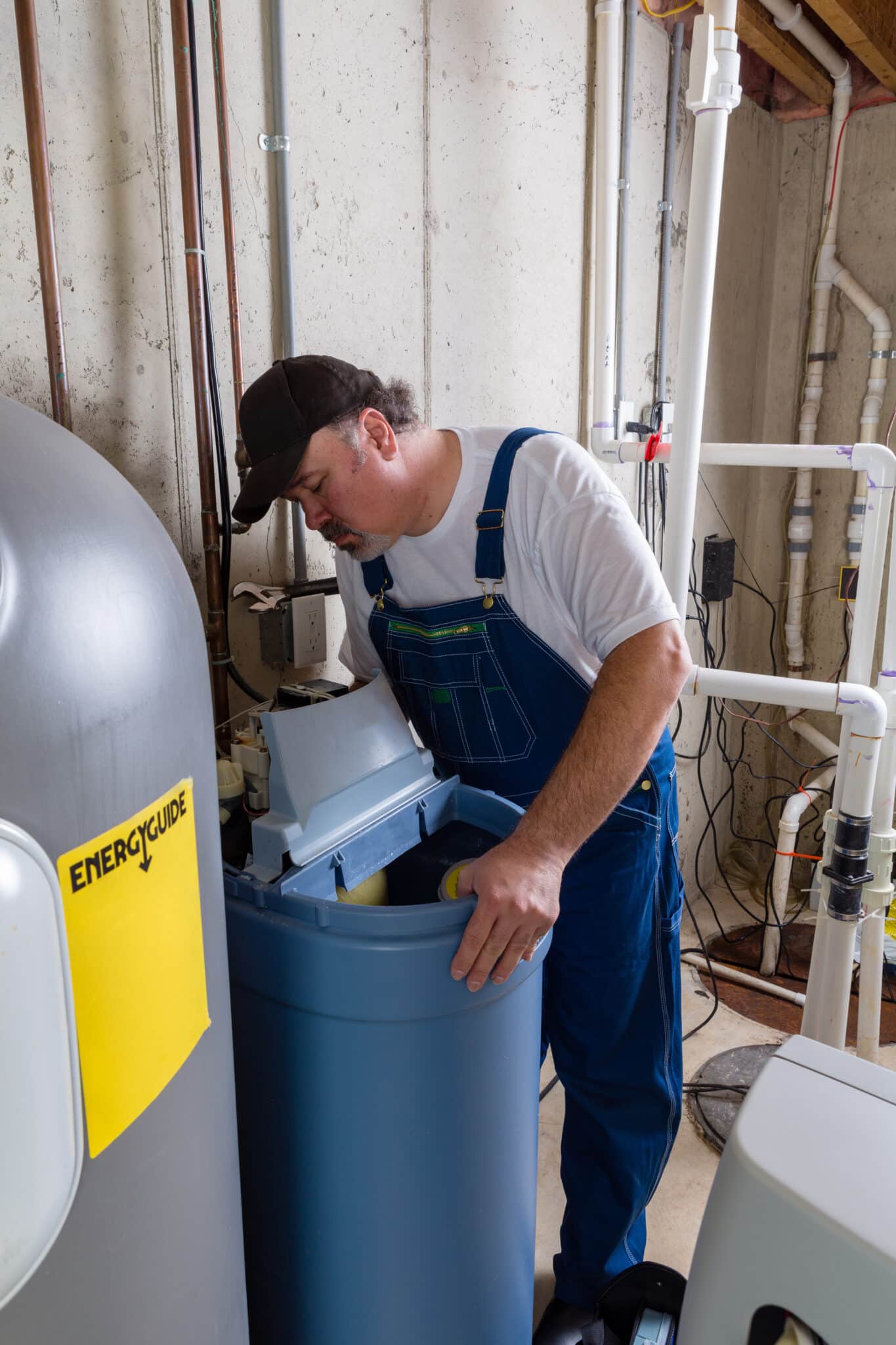
A key component in achieving this is through water softener installation, a process that can significantly enhance the longevity and efficiency of plumbing systems. By removing minerals that cause water hardness, such as calcium and magnesium, water softeners ensure that your water is gentler on your pipes and appliances. This not only prolongs their lifespan but also improves water quality for drinking and bathing.
The benefits of installing a water softener go beyond just protecting your plumbing. Residents in Farragut, TN, and surrounding areas have noted a noticeable difference in their water’s taste and feel. Soft water can also reduce the amount of soap and detergent needed for cleaning, leading to savings on household products. Moreover, it helps in preventing the buildup of scale inside pipes, which can lead to costly repairs down the line.
Understanding the process of water softener installation is crucial for homeowners. It’s not just about choosing any system but finding the right one that suits your home’s specific needs. Factors such as the size of your home, the hardness of your water, and your family’s water usage patterns all play a role in determining the best water softening solution for you. Professional guidance from a reputable company can make this decision much easier.
Choosing to invest in water softener installation is a step toward safeguarding your home’s plumbing infrastructure and enhancing your daily life. With the right system in place, Knoxville and Farragut residents can enjoy the myriad benefits of soft water. From protecting appliances to enjoying cleaner, softer laundry, the advantages are clear. As we delve deeper into this guide, keep in mind the importance of professional installation to ensure your system operates efficiently and effectively.
Understanding the Benefits of a Water Softener
Water softener installation offers a transformative solution for homeowners in Knoxville, TN, keen on improving their water quality. This process involves setting up a system designed to remove hard minerals from water, making it softer and more beneficial for home use. By opting for professional installation, you ensure the system is correctly integrated into your home’s plumbing. This step is vital for achieving the desired improvement in water quality and appliance protection.
Once installed, a water softener begins to immediately impact your home’s water-using appliances and plumbing systems. Appliances operate more efficiently without the scale buildup caused by hard water, extending their lifespan significantly. In Farragut, TN, residents have observed their water heaters and washing machines performing better for longer periods. This efficiency not only saves on repair costs but also reduces energy consumption, offering savings on utility bills.
The process of selecting the right water softener is crucial and depends on several factors unique to each household. Considerations include the number of residents, the average water usage, and the specific hardness level of your water. A professional plumber can conduct a thorough analysis, recommending a system that matches your home’s requirements perfectly. This tailored approach ensures that you get the most out of your investment, enhancing your home’s water quality effectively.
Finally, the benefits of water softener installation extend beyond the practical aspects of cleaner pipes and longer-lasting appliances. Soft water is kinder to your skin and hair, making showers more refreshing and baths more luxurious. It also contributes to a greener household by reducing the need for harsh detergents and soaps. Thus, installing a water softener is not just a step towards better water usage but also a move towards a healthier lifestyle and environment.
Preparing for Your Water Softener Installation
Before diving into the installation process, homeowners should first understand the preparatory steps involved in water softener installation. It starts with evaluating your home’s water usage and hardness level, which a professional in Knoxville, TN, can assess accurately. This initial step ensures the selected system matches your specific needs, maximizing efficiency and benefits. Additionally, deciding on the ideal location for your water softener is crucial, as it needs to be easily accessible for maintenance and close to the main water supply line.
After determining your home’s water requirements and the softener’s location, the next step involves gathering the necessary tools and supplies. Typically, this includes various plumbing fittings, a drain for the brine tank, and electrical outlets if your model requires power. Homeowners in Farragut, TN, often find it beneficial to consult with a plumber during this phase. Their expertise can help avoid common pitfalls, ensuring a smooth installation process.
Preparing your plumbing for the new system is another important step. This might involve shutting off the water supply and draining existing pipes to prevent leaks during installation. It’s a good opportunity to check for any repairs that might be needed in your plumbing system. Addressing these issues beforehand can enhance the overall effectiveness of your water softener, ensuring it works seamlessly with your home’s infrastructure.
Finally, scheduling a professional installation is key to ensuring your system is set up correctly from the start. While some homeowners may consider a DIY approach, hiring an expert guarantees that all aspects of the installation meet local codes and regulations. Professionals in water softener installation can also provide valuable insights and tips on maintaining your system for years to come. This preparation phase lays the groundwork for a successful installation, promising improved water quality and appliance efficiency for your home.
Step-by-Step Guide to Water Softener Installation
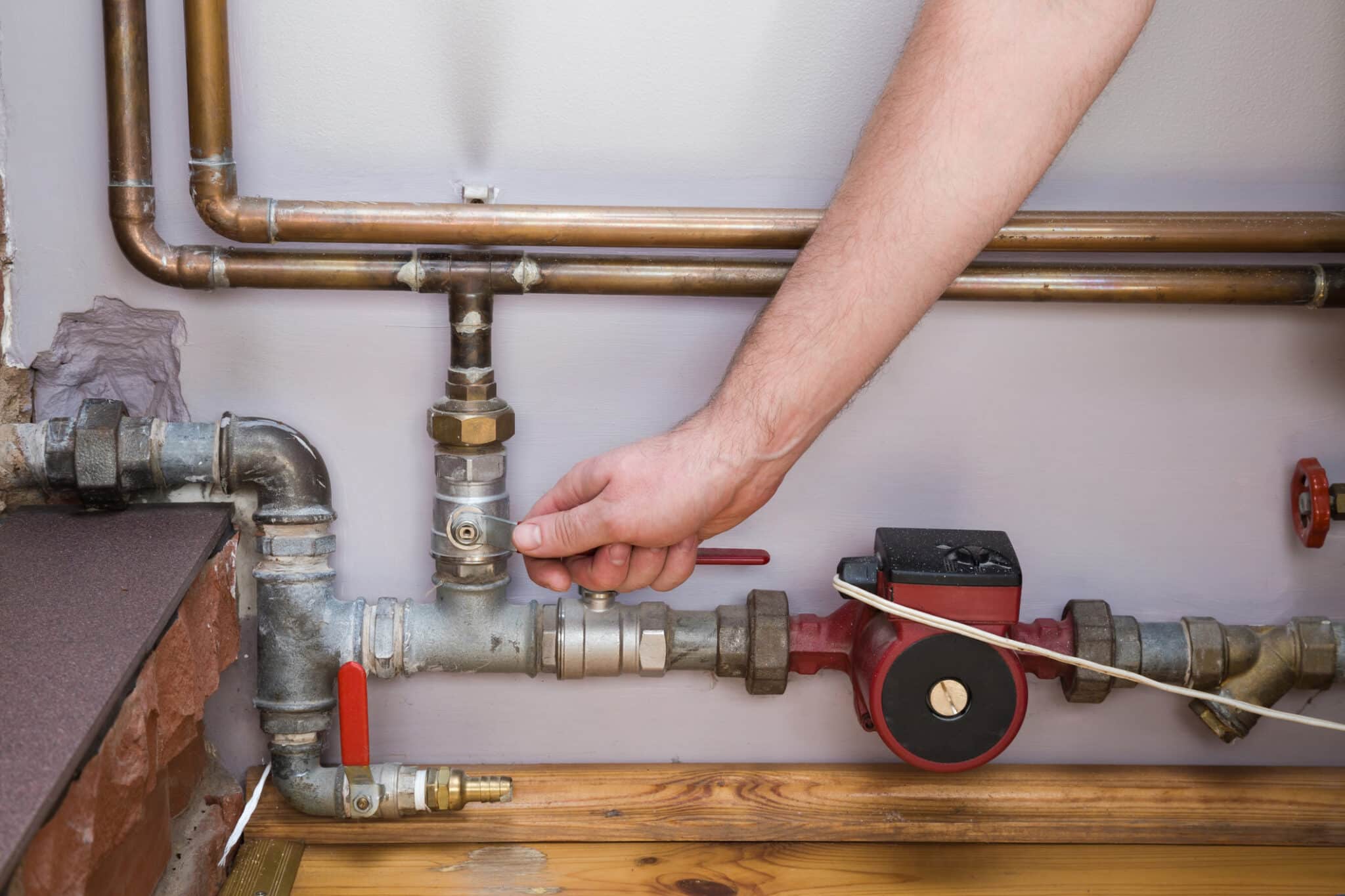
After completing the necessary preparations, the first step in water softener installation involves turning off the main water supply to your home. This ensures a safe environment for you or the professional plumber to work without the risk of water running through the pipes during the setup. Next, locate the pre-decided spot near the main water line in Knoxville, TN, where the water softener will be installed. It’s crucial to ensure this location is both accessible for future maintenance and close enough to the main supply to facilitate easy integration.
Following the shutdown of the water supply, the next task is to install the bypass valve. This valve is essential as it allows you to divert water away from the softener if needed, without disrupting the household’s water access. After securing the bypass valve, you then connect the water softener’s inlet and outlet ports to your home’s water supply. Careful attention to detail during this step ensures a leak-free installation and the efficient operation of your system.
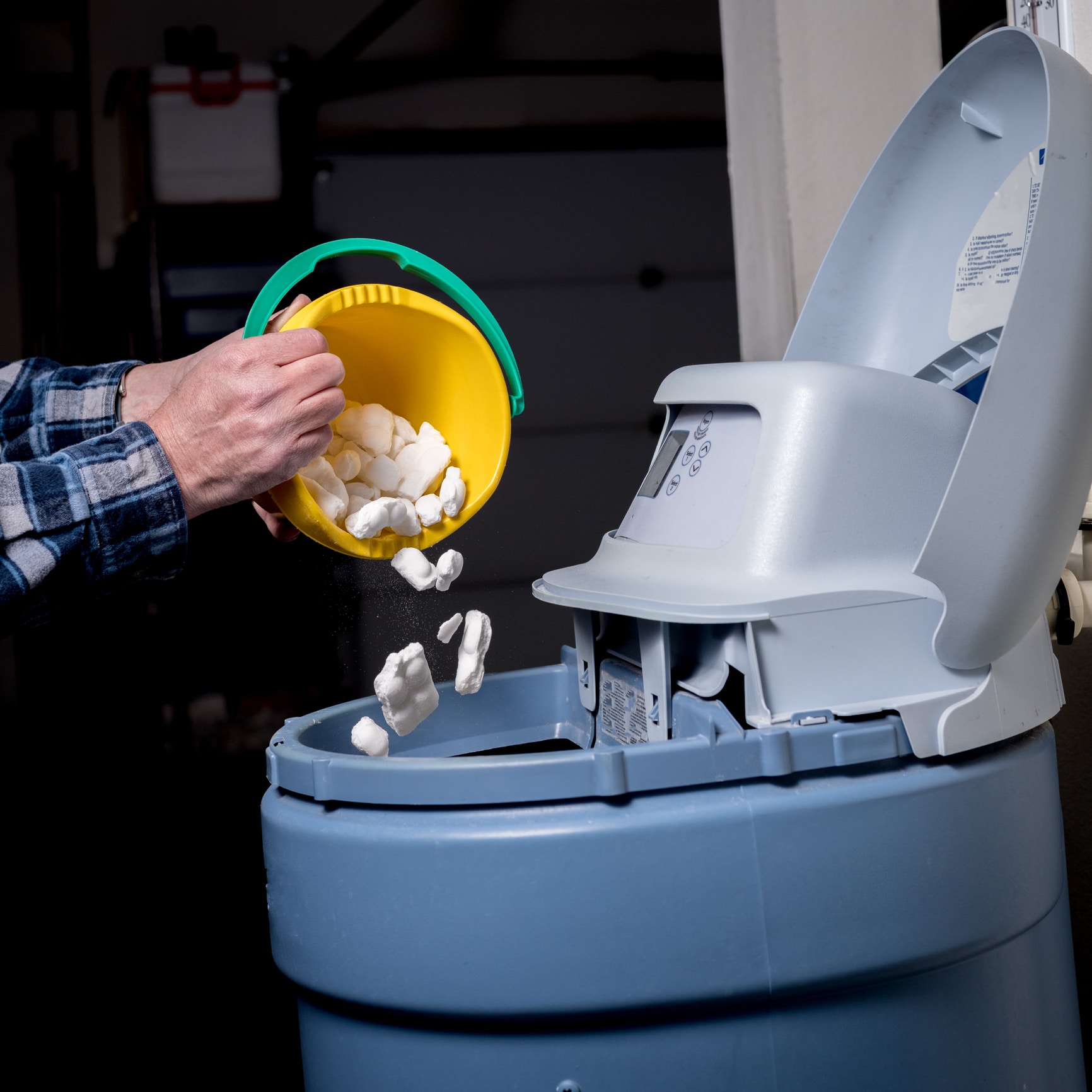
Once the physical connections are made, the focus shifts to the brine tank, a critical component of the water softener system. Start by filling the tank with salt, following the manufacturer’s recommendations for the type and amount. This step is vital for the ion exchange process that softens the water. Residents in Farragut, TN, will find that maintaining the right level of salt is key to consistently soft water.
Finally, after all connections are secure and the brine tank is prepared, it’s time to turn the water supply back on and initiate the system’s regeneration cycle. This process flushes the system, ensuring it’s ready to start softening water. Monitoring the first regeneration cycle is important to confirm everything is functioning as expected. Once completed, you can enjoy the benefits of softened water, knowing your water softener installation was done correctly, safeguarding your plumbing and improving your home’s water quality.
Tools and Materials Needed for Installation
When embarking on water softener installation, having the right tools and materials at hand is essential for a smooth process. Homeowners in Knoxville, TN, should prepare with basic plumbing tools such as wrenches, pipe cutters, and Teflon tape to ensure secure connections. Additionally, it’s important to have the specific fittings required for your model of water softener, which might include flexible tubing or copper piping. Gathering these items before starting the installation will minimize delays and help avoid unnecessary trips to the hardware store.
Another crucial material for the installation process is high-quality salt or potassium chloride, depending on your system’s requirements. This will be used to fill the brine tank, a key component in the softening process. Homeowners should also ensure they have a power drill and screws if mounting is necessary for the water softener model they’ve chosen. These supplies, combined with the correct plumbing materials, will set the stage for a successful installation.
In Farragut, TN, it’s also wise to include a water test kit in your list of materials. Testing your water before installation can help confirm the hardness level and ensure your system is appropriately configured from the start. Additionally, having a level on hand is important to ensure the unit is installed properly and operates efficiently. These extra steps in preparation can significantly impact the effectiveness of your water softening system.
Lastly, ensuring you have a comprehensive installation manual or guide specific to your water softener model is crucial. This will provide step-by-step instructions and highlight any additional tools or materials you might need. Following the manufacturer’s guidance closely will not only help with a smooth installation process but also safeguard your system’s warranty. By having all the necessary tools and materials ready, homeowners can look forward to a straightforward water softener installation that enhances their home’s water quality.
Common Challenges in Water Softener Installation
While embarking on water softener installation, homeowners in Knoxville, TN, might face several hurdles. One common challenge is accurately determining the size of the softener needed for their home. This involves understanding water usage patterns and the hardness of the water, which can vary significantly. Without proper evaluation, one might end up with a system that’s either too large or too small, affecting efficiency and cost.
Another hurdle often encountered is dealing with the complexities of existing plumbing systems. In older homes, particularly in Farragut, TN, adapting the plumbing to accommodate a new water softener can be tricky. This might include replacing old pipes or installing additional fittings, tasks that require a certain level of expertise. It’s crucial to assess the condition of your plumbing before proceeding to ensure a smooth installation process.
The installation of the bypass valve also presents a challenge for many. This valve is essential for maintenance and emergencies, allowing water to flow around the softener if needed. However, installing it incorrectly can lead to leaks or reduced water flow, impacting the entire system’s functionality. Careful attention to the manufacturer’s instructions and perhaps seeking professional help can mitigate this issue.
Lastly, maintaining the system post-installation can be daunting for some. This includes regular salt refills, monitoring for salt bridges, and scheduling periodic maintenance checks. Neglecting these tasks can compromise the softener’s performance and longevity. Educating oneself on the specific maintenance requirements of their system is key to overcoming this challenge and ensuring the benefits of soft water continue long after the initial installation.
How to Maintain Your Water Softener Post-Installation
After successfully completing your water softener installation, it’s crucial to dive into the maintenance aspect to ensure its longevity and efficiency. Regularly checking the salt level in the brine tank is the first step. Homeowners in Knoxville, TN, should aim to refill the salt when it falls below half full. This prevents the occurrence of salt bridges that can disrupt the softening process, ensuring your system runs smoothly.
In addition to monitoring salt levels, it’s also important to clean the brine tank annually. This task might seem daunting, but it’s straightforward and essential for keeping your system in top condition. Residents in Farragut, TN, can easily accomplish this by draining the tank, cleaning it with soap and water, and then refilling it with fresh salt. This annual clean-up helps in preventing any blockages or bacterial growth within the system.
Scheduling a professional inspection at least once every year is another key maintenance step. An expert can spot issues that you might overlook, such as minor leaks or wear and tear on components. They can also adjust settings to match any changes in your water usage patterns or to address any fluctuations in water hardness. This proactive approach helps in avoiding unexpected breakdowns, saving you from potential inconvenience and repair costs.
Finally, keeping an eye on your water quality can give you early warning signs if something is amiss with your water softener. If you notice changes in the water’s taste, feel, or appearance, it might be time to check your system. Simple tests available in local stores in Knoxville, TN, can help you monitor the hardness of your water. By staying vigilant and responding promptly to any signs of trouble, you can enjoy the benefits of soft water without interruption.
Water Softener Installation: DIY vs. Professional Services
Deciding between DIY and professional services for water softener installation can be a pivotal choice for homeowners in Knoxville, TN. Taking the DIY route may seem cost-effective at first glance. However, it requires a solid understanding of plumbing systems and local regulations. Without this knowledge, you could inadvertently cause damage or void warranties, leading to higher expenses down the line.
On the other hand, hiring professionals for water softener installation ensures that the job is done correctly from the start. Experts in Farragut, TN, come equipped with the right tools and extensive experience. They can navigate any challenges that arise during installation, from complex plumbing layouts to adhering to specific building codes. This peace of mind is invaluable, especially for those not familiar with plumbing intricacies.
Moreover, professional installers can provide personalized advice on maintaining your water softener system. They can recommend the best type of salt for your specific model and water usage, and offer tips to optimize its efficiency. This guidance can extend the lifespan of your system, ensuring you enjoy soft water for years to come.
Ultimately, while DIY water softener installation might appeal to those who enjoy hands-on projects, the benefits of professional services often outweigh potential savings. Professionals guarantee a hassle-free installation, tailored maintenance advice, and immediate resolution of any issues. For homeowners in Knoxville and Farragut, TN, choosing professional installation is a wise investment in the longevity and effectiveness of their water softening system.
The Impact of Water Softeners on Home Plumbing Systems
Water softeners have revolutionized how homeowners in Knoxville, TN, manage their plumbing systems. By facilitating the removal of minerals that cause hardness, water softener installation ensures pipes and appliances are free from scale buildup. This not only enhances the efficiency of water-using appliances but also extends their lifespan. Consequently, homeowners can save on costly repairs and replacements, making the investment in a water softener system highly beneficial.
In Farragut, TN, residents have observed a noticeable improvement in their water quality following the installation of water softeners. The systems work by exchanging hard minerals like calcium and magnesium with sodium or potassium ions, making the water softer. This process significantly reduces the risk of mineral deposits in plumbing systems, which can lead to blockages and decreased water flow. As a result, the overall health of home plumbing systems is greatly improved, ensuring a steady flow of clean water.
The impact of water softener installation goes beyond just the physical aspects of plumbing. Soft water is more compatible with soap, resulting in less soap scum and smoother skin and hair for the household. Additionally, appliances such as dishwashers and washing machines perform more efficiently, using less detergent and operating at optimal levels. This efficiency contributes to a more environmentally friendly home, reducing waste and energy consumption.
Choosing the right water softener system is crucial for maximizing these benefits. Homeowners should consider their household’s water usage, the hardness of their water, and the size of their home when selecting a system. Professional installation by experts ensures the system is correctly integrated into the home’s plumbing, providing peace of mind and the best possible results. With proper maintenance, residents in Knoxville and Farragut, TN, can enjoy the advantages of soft water for many years, making water softener installation a wise choice for any homeowner.
Frequently Asked Questions
What tools are needed for installation?
For a water softener installation, you’ll need several tools. Start with adjustable wrenches and pipe cutters for fitting pipes. A tape measure is essential for precise placement. Lastly, Teflon tape ensures a leak-free connection, making the process smoother.
How long does water softener installation take?
Installing a water softener usually takes a few hours. Most professionals, like those at My Professional Plumber, can complete the job in about half a day. The exact time can vary based on your home’s plumbing setup. Rest assured, you’ll enjoy the benefits of softer water quickly.
Can I install a water softener myself?
Installing a water softener by yourself is possible, but it requires skill. You’ll need a good understanding of your home’s plumbing. Many homeowners prefer hiring professionals, like My Professional Plumber, for a hassle-free setup. This ensures the water softener installation is done right and your system runs smoothly.
What are common mistakes in water softener installation?
Common mistakes during water softener installation include incorrect sizing for your home’s needs, leading to inefficiency. Skipping the bypass valve installation can make maintenance tough. Not setting up the drain line properly can cause leaks or backflow issues. Lastly, failing to follow local plumbing codes might result in violations and extra costs.
Where should a water softener be installed?
A water softener should be placed near where the water enters your home. This spot ensures the system efficiently treats the water before it flows through your pipes. Ideally, it’s installed in a dry, accessible area for easy maintenance. Remember, professionals like My Professional Plumber can help find the perfect spot, ensuring your water softener installation goes smoothly.