


Piping insulation methods play a crucial role in preventing heat loss and avoiding the unpleasant surprise of frozen pipes. Understanding the best materials and techniques for this task can save a lot of hassle when temperatures drop.
In regions where winter is harsh, ensuring your pipes are well insulated is not just a recommendation, it’s a necessity. The right piping insulation methods can significantly reduce the risk of freezing, which in turn helps maintain consistent water supply and protects your plumbing system. From foam sleeves to spray foam insulation, various options are available, each with its own set of benefits.
Selecting the appropriate piping insulation material and technique requires knowledge of what works best in different situations. For instance, homes in Maryville, TN, might face different environmental challenges than those in Alcoa, TN, influencing the choice of piping insulation. It’s about finding a balance between effectiveness, cost, and ease of installation to ensure your home is prepared for the winter months.
Consulting with professionals like My Professional Plumber can provide insights into the most effective piping insulation methods for your specific needs. They understand the local climate and can recommend solutions tailored to your home’s requirements, ensuring your plumbing system remains functional and efficient throughout the winter season.
Understanding the Basics of Piping Insulation Methods
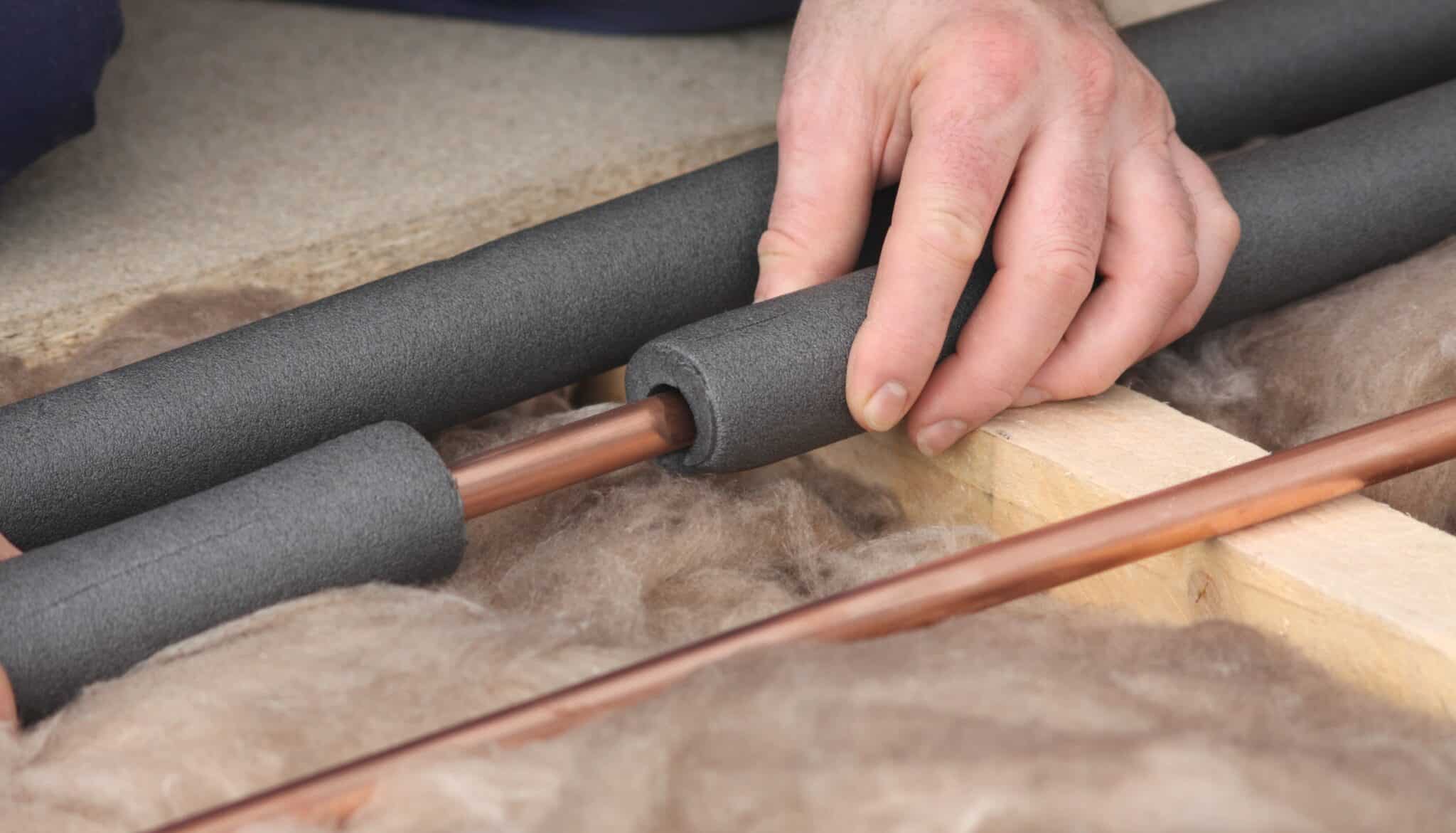
Understanding the basics of piping insulation methods starts with recognizing the variety of materials available. Foam insulation, for instance, is popular due to its easy installation and effective thermal protection. This material comes in tubes that easily slip over pipes, offering a quick solution for homeowners. It’s an excellent choice for areas like Maryville, TN, where winters can be unpredictably cold.
Another effective method involves using fiberglass insulation. This option is particularly suited for hot water pipes since it withstands high temperatures well. Fiberglass wraps around pipes, secured with tape, providing a sturdy barrier against the cold. In places like Alcoa, TN, where temperatures might fluctuate, this can be a reliable way to prevent heat loss.
Spray foam insulation offers a more comprehensive solution by filling gaps and cracks around pipes. This method ensures no heat escapes, making it ideal for both exposed and hard-to-reach pipes. The adaptability of spray foam makes it a favorite among homeowners seeking thorough insulation. It’s a method that requires a bit more effort but pays off in energy efficiency.
Lastly, considering the use of insulated pipe wraps can add an extra layer of protection. These wraps are easy to apply and can be used in conjunction with other piping insulation methods for enhanced effectiveness. They’re especially useful for protecting vulnerable pipes from freezing temperatures. Consulting with professionals like My Professional Plumber can help determine the best combination of insulation methods for your home, ensuring your pipes are well-protected throughout the winter.
Types of Insulation Materials for Pipes
When considering the best piping insulation methods, it’s essential to explore the unique properties of rubber insulation. This material stands out for its moisture resistance, making it an excellent choice for damp areas. Rubber insulation’s flexibility allows for a snug fit around pipes, enhancing its effectiveness in preventing heat loss. Homes in Maryville, TN, can benefit greatly from this option, particularly in basements and crawl spaces prone to moisture.
Polyethylene foam is another versatile option for insulating pipes. Its lightweight nature and ease of installation make it a favorite among homeowners. The material provides excellent thermal resistance, which is crucial for maintaining consistent water temperatures. In Alcoa, TN, where the weather can change quickly, polyethylene foam ensures that pipes remain insulated against sudden drops in temperature.
Reflective insulation, incorporating foil wraps, offers a unique approach by reflecting heat back towards the pipe. This method is particularly useful for hot water pipes, helping to retain heat and reduce energy costs. The reflective surface acts as a barrier to radiant heat loss, a feature that is especially beneficial in areas exposed to cold winds.
Lastly, combining different piping insulation materials can create a customized solution that addresses specific needs. For instance, using spray foam for gaps and adding foam sleeves for accessible pipes can maximize insulation efficiency. This tailored approach ensures that every part of your plumbing system is well-protected, offering peace of mind to homeowners in Knoxville, TN, and surrounding areas throughout the winter months.
Step-by-Step Guide to Insulating Your Home Pipes
Insulating your home pipes before winter hits is a proactive step to safeguard against freezing temperatures. Begin by measuring the length and diameter of your pipes to determine the amount of insulation material you’ll need. This initial step ensures you purchase the correct size of foam sleeves or fiberglass wraps, making the process smoother and more efficient. It’s a simple yet crucial part of the preparation that can save time and prevent any unnecessary trips back to the store.
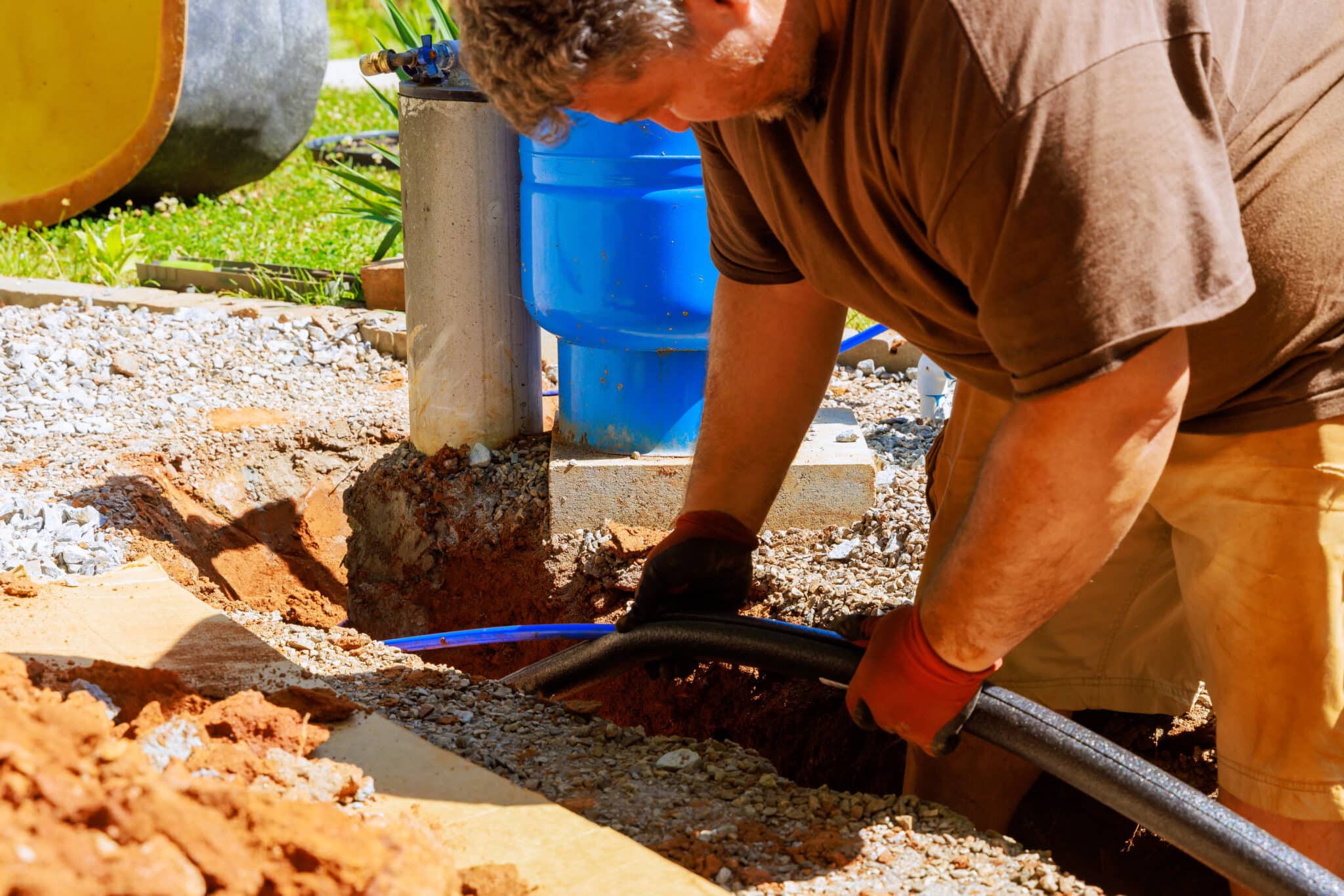
Once you have your materials ready, start with the pipes most susceptible to freezing, often those located in unheated areas like basements or garages. Carefully cover each pipe with the chosen insulation material, whether it’s foam, fiberglass, or rubber, making sure there are no exposed areas. For pipes in hard-to-reach places, spray foam can be particularly effective as it expands to fill gaps and cracks, providing an airtight seal. This step is not just about adding a layer of protection, it’s about ensuring consistent warmth throughout your plumbing system.
After insulating the exposed pipes, focus on securing the insulation with durable tape, especially at the joints and bends. This action prevents the insulation from shifting or falling off, which could expose the pipes to cold air. In areas like Maryville, TN, where temperatures can dip significantly, securing the insulation properly is essential for maintaining the effectiveness of your efforts. It’s a detail-oriented task that makes a significant difference in the overall insulation of your home’s plumbing.
Finally, inspect your work to ensure every pipe is fully covered and the insulation is secure. It’s wise to check the insulation periodically throughout the winter, especially after a cold snap in places like Alcoa, TN. This ongoing vigilance helps catch any potential issues early, such as moisture buildup or damage to the insulation. By following these steps, you can confidently face the winter months, knowing your pipes are well-protected against the cold.
The Role of Pipe Diameter and Insulation Thickness
Understanding the role of pipe diameter in selecting the right insulation thickness is crucial for effective heat retention. Pipes of larger diameters require thicker insulation to prevent heat loss, ensuring your home remains warm during the cold months. This knowledge allows homeowners in Maryville, TN, to make informed decisions about the type of insulation material needed for their plumbing system. By considering the size of your pipes, you can optimize the insulation’s effectiveness, reducing the risk of freezing.
Insulation thickness plays a significant role in maintaining the temperature of the water flowing through your pipes. Thicker insulation provides better protection against the cold, especially in areas like Alcoa, TN, where temperatures can drop suddenly. It’s important to balance the insulation thickness with the available space around your pipes. Properly insulated pipes are less likely to freeze, ensuring a steady water supply throughout winter.
Choosing the right piping insulation methods involves understanding the specific needs of your plumbing system. For example, outdoor pipes or those in unheated spaces may require thicker insulation compared to those within the home. This approach prevents heat loss in critical areas, keeping your water flowing even when temperatures outside are freezing. Tailoring the insulation to your pipes’ diameter and location maximizes energy efficiency and protection against the cold.
Finally, consulting with professionals can provide valuable insights into the best piping insulation methods for your home. Experts can assess your plumbing system’s needs, considering factors like pipe diameter and the local climate in Knoxville, TN. Their recommendations can help you choose the right insulation thickness and material, ensuring your pipes are well-protected against winter’s chill. With professional guidance, you can achieve optimal insulation for your plumbing, keeping your home warm and your water running smoothly.
Cost-Benefit Analysis of Different Piping Insulation Methods
When evaluating the cost-benefit analysis of different piping insulation methods, it’s essential to consider the long-term savings versus the initial investment. Foam insulation, for example, offers an affordable solution with significant energy savings over time. Homeowners in Maryville, TN, can benefit from this option, as it efficiently prevents heat loss and reduces the risk of freezing pipes during harsh winters. The material’s cost-effectiveness makes it an attractive choice for those looking to improve their home’s energy efficiency on a budget.
Fiberglass insulation, while slightly more expensive upfront, provides excellent thermal protection, especially for hot water pipes. This method can be particularly beneficial in Alcoa, TN, where fluctuating temperatures demand a robust solution to maintain consistent water temperature. The durability of fiberglass ensures that the insulation remains effective for years, offering a favorable return on investment through reduced energy bills and minimal maintenance requirements.
Spray foam insulation stands out for its comprehensive coverage, sealing gaps and cracks with precision. Although it comes with a higher initial cost, the benefits of spray foam include enhanced energy efficiency and the prevention of moisture intrusion, which can lead to pipe corrosion. For homeowners prioritizing long-term savings and protection against the elements, spray foam offers a compelling option, balancing cost with superior performance.
Lastly, combining different insulation materials can optimize thermal protection and energy savings. Tailoring the insulation strategy to the specific needs of your home allows for the most efficient use of resources. This customized approach ensures that every area of your plumbing system is adequately protected, maximizing the cost-benefit ratio. Consulting with insulation experts can help identify the most effective combination of materials, ensuring your investment in piping insulation methods delivers the best possible return.
Preventing Freezing: Tips Beyond Insulation
While piping insulation methods are crucial for keeping your pipes warm during the winter, there are additional steps homeowners in Maryville, TN, can take to prevent freezing. Letting faucets drip slightly when temperatures plummet ensures water movement, which helps prevent ice formation inside pipes. This simple action can be a lifesaver, maintaining a minimal flow and reducing the pressure that causes pipes to burst. Coupled with proper insulation, this technique adds an extra layer of security against the cold.
Another effective strategy involves keeping the interior doors and cabinets open, especially where plumbing is located in unheated areas or along exterior walls. This practice allows warmer air from your home to circulate around the pipes, significantly reducing the risk of freezing. Residents in Alcoa, TN, find this method particularly useful, as it utilizes the home’s existing heat to protect vulnerable plumbing. It’s a cost-effective way to enhance the benefits of your insulation efforts without additional expenses.
Installing a thermostat-controlled heat cable around pipes provides targeted warmth where it’s needed most. This advanced solution offers peace of mind, automatically adjusting to temperature changes to ensure pipes remain above freezing. It’s an investment that complements traditional piping insulation methods, offering an automated defense against the harsh winter temperatures. By focusing on critical areas, homeowners can ensure their plumbing system is well-protected throughout the season.
Finally, regular maintenance and inspection of your home’s insulation and plumbing system before winter sets in can prevent many issues associated with freezing temperatures. Checking for gaps in insulation, signs of wear, or potential exposure points allows for timely repairs or upgrades. This proactive approach ensures that all piping insulation methods are functioning optimally, safeguarding your home in Knoxville, TN, against the cold. Together, these strategies form a comprehensive defense, keeping your water flowing smoothly all winter long.
Case Studies: Effective Piping Insulation in Cold Climates
Exploring the effectiveness of piping insulation methods in cold climates brings to light several compelling case studies. In Maryville, TN, a homeowner successfully prevented their pipes from freezing by combining foam insulation with a heat cable system. This approach not only kept the water flowing but also significantly reduced their energy bills. It serves as a practical example of how layering different insulation methods can provide superior protection against the cold.
Another case from Alcoa, TN, highlights the benefits of spray foam insulation for a family living in an older home with drafty spaces. By filling in the gaps around their pipes, they were able to eliminate cold spots and maintain a consistent water temperature throughout the winter. This method proved to be a cost-effective solution for enhancing the home’s overall energy efficiency. It demonstrates the adaptability of spray foam in addressing unique insulation challenges.
Further north, a community project in a particularly frigid area focused on retrofitting multiple homes with fiberglass insulation wraps. This initiative not only protected the pipes from freezing but also fostered a sense of community as neighbors worked together to secure their homes against the winter. The project’s success underscored the effectiveness of fiberglass insulation in diverse settings, showcasing its durability and thermal protection capabilities.
Lastly, an innovative approach involved using reflective insulation in a commercial building to prevent heat loss from hot water pipes. This method reflected the heat back towards the pipes, maintaining the water’s temperature with minimal energy expenditure. The business reported a noticeable decrease in their heating costs, highlighting the potential of reflective insulation in both residential and commercial applications. These case studies collectively affirm the value of selecting the right piping insulation methods for cold climates.
Maintenance and Monitoring of Insulated Pipes
After installing insulation, maintaining and monitoring the insulated pipes is essential for long-term efficiency. In Maryville, TN, homeowners should regularly check their insulation for signs of wear or damage, especially after severe weather. This practice helps identify areas that may need repair or additional insulation before problems arise. Keeping an eye on the insulation ensures it continues to protect the pipes effectively against the cold.
Incorporating routine inspections into your seasonal preparations can prevent unexpected issues during winter. Homeowners in Alcoa, TN, find that a pre-winter check-up can save a lot of trouble when temperatures drop. It’s a good time to ensure that the insulation is securely in place and has no gaps or moisture accumulation. Addressing these issues early keeps your home’s plumbing system running smoothly throughout the colder months.
Another key aspect of maintenance is addressing any plumbing leaks promptly. Even a small leak can compromise the insulation’s effectiveness and lead to bigger problems if water freezes within the insulated area. Homeowners should fix leaks as soon as they’re detected to maintain the integrity of their piping insulation methods. This proactive approach helps avoid water damage and the potential for burst pipes.
Finally, monitoring the performance of your insulated pipes can offer insights into potential improvements. If certain areas of your home experience colder temperatures, additional piping insulation might be necessary. Evaluating the effectiveness of your current insulation setup allows for targeted enhancements, ensuring your home remains warm and efficient. By staying vigilant and responsive, homeowners can maximize the benefits of their piping insulation methods.
Frequently Asked Questions
What are Piping Insulation Methods?
Piping insulation methods help keep your water warm and prevent pipes from freezing during cold months. One popular technique involves wrapping pipes with foam tubing, which acts as a thermal barrier. Another effective approach is using fiberglass wraps, offering excellent heat retention. Additionally, for areas prone to extreme cold, applying electric heat tape before insulating can provide extra protection.
How does insulation prevent heat loss?
Insulation works by trapping warm air close to the pipes, reducing the rate at which heat escapes. This process keeps the water inside the pipes warmer for longer periods. Materials like foam or fiberglass are effective because they have a low thermal conductivity. As a result, they significantly slow down the movement of heat, preventing freezing during cold weather.
Why is winter insulation important for pipes?
Winter insulation for pipes is crucial to avoid costly damage. By keeping the water inside from freezing, it prevents pipes from bursting. This method also ensures a steady supply of warm water during cold months. Ultimately, insulating pipes saves money on repairs and energy costs.
Can Piping Insulation Methods reduce energy costs?
Absolutely, piping insulation methods can lead to significant savings on energy bills. By maintaining the warmth in your pipes, less energy is required to heat water. This means your heating system doesn’t work as hard, lowering your overall energy consumption. Consequently, homeowners enjoy reduced costs while also benefiting from the efficiency of their plumbing system during the winter months.
What materials are best for insulating pipes?
The best materials for insulating pipes include foam tubing and fiberglass wraps, known for their thermal resistance. Foam tubing easily fits around pipes, offering a quick solution to prevent heat loss. Fiberglass wraps, on the other hand, provide a denser layer of insulation, ideal for extreme conditions. For added protection, electric heat tape can be applied beneath these materials, ensuring pipes stay warm even in the coldest temperatures.