




Key Takeaways About Indoor Air Quality
Indoor Air Quality means the safety and comfort of the air inside your home. This summary is for homeowners and managers deciding when to invest in upgrades or call a pro.
- Identify sources of particles moisture and combustion issues early.
- Prevent mold growth by controlling humidity and fixing leaks.
- Avoid poor filtration that overloads the blower or creates bypass.
- Spot ventilation imbalances with pressure checks and smoke testing.
- Reduce biological growth on coils with targeted UV and cleaning.
- Plan upgrades after a professional diagnostic with measurements.
Introduction
Indoor Air Quality matters because pollutants, allergens, and excess humidity quietly affect comfort and health at home. Many homeowners notice stale odors, frequent allergy flare ups, or visible dust buildup. Left unchecked, these issues can worsen respiratory symptoms and damage finishes over time. Simple fixes often miss the root cause of poor air and leave problems recurring.
Proven upgrades such as upgraded filtration, ultraviolet air treatment, balanced ventilation, and humidity control reduce particles and microbial growth. Each approach targets different sources like HVAC bypass, outdoor particulates, or moisture migration from basements. Choosing the right combination depends on how air moves through your house and where contaminants come from. A clear problem statement makes a retrofit more effective and less disruptive.
Many homeowners in Oak Ridge, TN notice seasonal pollen and mold smell problems that point to ventilation or humidity issues. In some older homes near Clinton, TN, tight envelopes trap indoor pollutants and raise pollutant concentrations. Observable signs include yellowing paint, recurring condensation, and HVAC systems that short cycle or smell musty. These clues help prioritize filtration, UV, ventilation, or dehumidification upgrades for the best results.
You should expect measurable improvements when upgrades match the diagnosed problems and the system components are sized correctly. A professional inspection will confirm sources, inspect the evaporator coil, examine return and supply grilles, and test relative humidity. After targeted work, many homes report fewer allergy symptoms, less visible dust, and more comfortable rooms. These outcomes explain why addressing indoor air issues is worth the investment for healthier living spaces.
What Indoor Air Quality Means For Homes
Indoor Air Quality refers to the condition of the air inside a home and how it affects occupants’ health and comfort. Clear definitions help homeowners decide which systems to inspect first. A common question is whether visible dust means poor air, and the answer is yes when dust returns quickly after cleaning. Professionals use observations plus measurements to confirm whether particles are coming from HVAC, occupants, or outdoors.
- Air movement affects where contaminants collect.
- Humidity shifts change microbial growth rates.
- Filtration catches particles at different sizes.
- UV targets biological contaminants on coils.
Good indoor air ties closely to how your HVAC supplies and returns distribute air through rooms. Technicians inspect supply plenum, return grille locations, and duct connections to track imbalances. They may use a moisture meter or hygrometer to check damp areas that encourage mold growth. In Oak Ridge, TN homeowners often notice pollen entering when systems pull unfiltered outdoor air.
Assessing ventilation means confirming fresh-air exchange without causing drafts or wasted heating and cooling. A simple diagnostic step is measuring pressure difference between indoors and outdoors or between floors. Professionals also check the evaporator coil for biological growth and look at condensate drain lines for blockages. For homes that also need water-leak monitoring, pairing IAQ work with a smart leak sensor inspection can prevent moisture-driven air problems.
Deciding which upgrades will help requires a clear problem statement and targeted tests before work begins. Technicians may run particle counts, record humidity trends, and take photos of duct joints for a written report. In Clinton, TN, tight building envelopes sometimes raise indoor contaminants and push inspectors to recommend balanced ventilation. Homeowners receive specific next steps based on those findings and the measured conditions.
Common Sources And Why It Happens
Homes often draw contaminants from combustion appliances, building materials, and occupant activities that release gases and particles. Leaks around the furnace or water heater can introduce combustion byproducts and soot into living spaces. A professional checks flue connections, vent terminations, and the condition of the heat exchanger or burner assembly when investigating these sources. If a gas appliance looks suspect, contact a licensed technician for safety testing and repair.
Moisture intrusion drives many airborne problems by feeding mold and dust mites in hidden cavities and insulation. Inspectors use a moisture meter to find damp framing, check condensate drain lines for clogs, and look for musty odors behind cabinets. Homes in Oak Ridge, TN with basements or crawlspaces may see mold growth after wet seasons, so directing water away from the foundation and controlling indoor humidity helps reduce spores. Simple fixes like repairing leaks and improving drainage often cut fungal sources significantly.
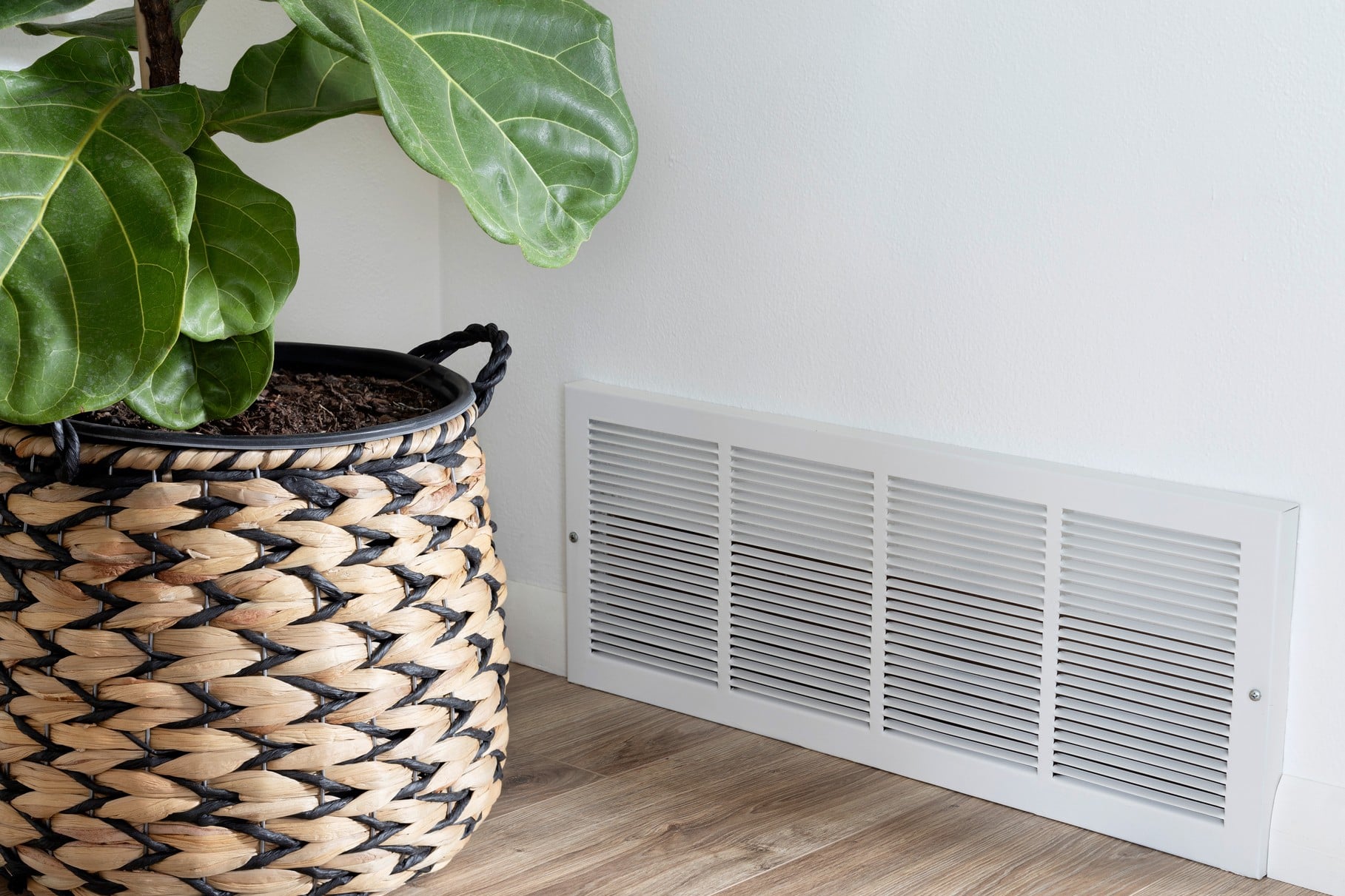
Dirty or bypassing ductwork spreads particles around a house and reduces filtration effectiveness at the grille. Technicians inspect return grille placement, evaluate duct joints, and look for gaps where air bypasses filters or the evaporator coil. A visible layer of dust on supply registers or uneven room temperatures are clues that ducts or the blower need attention. For hydronic systems paired with forced-air components, coordination between systems matters, see how a boiler or circulation setup ties into heating distribution for whole-home air concerns at hydronic heating systems installation.
Outdoor sources such as pollen, vehicle exhaust, and construction dust enter when ventilation intakes sit near pollutant sources. Professionals check intake locations relative to driveways, HVAC filters, and make-up air points to limit these intrusions. They may run a short particle count inside and outside to confirm whether particles come from outdoors or an indoor source. Addressing intake placement and adding staged filtration can reduce outdoor contributions effectively in Clinton, TN.

Recognizing Warning Signs And Health Indicators
Watch for health changes that show air problems, like worsening allergies, frequent headaches, or unexplained throat irritation. These symptoms often worsen in specific rooms or at certain times of day, which hints at a localized source. Note timing and locations to help a technician narrow the cause during inspection. If symptoms spike after using cleaning products or cooking, volatile compounds or particles may be the trigger.
Physical signs also help: visible condensation on windows, persistent musty smells, or repeated wet spots in basements indicate moisture-related contaminants. A moisture meter reading above about 60 percent relative humidity supports mold growth as a likely contributor. Technicians will inspect wall cavities, the evaporator coil, and condensate drain lines to confirm biological growth. For homes with hydronic elements, understanding system interactions can clarify moisture movement and risks.
Another warning sign is inconsistent HVAC performance, such as rooms that never reach set temperature or registers that blow weak air. Technicians check the blower motor, supply plenum, return grille placement, and filter fit to rule out distribution problems. They may perform a smoke test or pressure checks to find duct leaks and measure static pressure across the system. Documented measurements and photos create a clearer basis for choosing upgrades.
Professionals diagnose suspected problems by combining occupant reports with targeted tests like particle counts, humidity logs, and visual coil inspections. For example, an inspector will compare indoor and outdoor particle readings and inspect the evaporator coil for biological buildup. If boiler interactions affect humidity or heat distribution, technicians might coordinate with a boiler service, see boiler maintenance for related checks. After confirming sources, they recommend specific fixes such as upgraded filtration, UV treatment, balanced ventilation, or dehumidification.
Filtration Upgrades How They Work And Choices
Upgrading home air filters starts with matching filtration type to the particle sizes you need to remove and the system’s airflow capacity. Indoor Air Quality professionals check the furnace or air handler’s pressure drop and recommend filters that fit the cabinet and blower without overloading the motor. Homeowners often prefer pleated MERV-rated filters for general dust and pollen capture, while higher-efficiency options need verification that the fan can push air through them. In Oak Ridge, TN homes with heavy pollen seasons, staged filtration often reduces visible dust in living areas.
- Choose a MERV rating appropriate for your system.
- Confirm filter dimensions and proper sealing.
- Consider a second-stage filter at the air handler.
- Replace or clean filters on a regular schedule.
Whole-house electronic or electrostatic filters trap fine particles and then release them for cleaning, which can lower recurring filter costs. A professional inspects the return grille, filter rack, and supply plenum to ensure the device installs without creating bypass paths. They also check static pressure with a gauge to confirm the blower operates within safe limits after the upgrade. For some homes, adding a dedicated cabinet filter at the air handler provides more reliable capture than only using grille filters.
HEPA-grade filtration removes very small particles but usually requires a supplemental fan or bypass unit because most residential blowers cannot handle the added resistance. Technicians will measure airflow and may recommend an in-line fan or standalone HEPA air cleaner sized to the home’s square footage. They also inspect ductwork and return locations to avoid creating negative pressure that could draw contaminants from basements or attics. In Clinton, TN properties with tight envelopes, professionals check pressure balance before recommending high-resistance filters.
Professionals confirm filtration effectiveness through simple diagnostics like particle counts, visual filter inspections, and static-pressure readings before and after installation. For example, a technician compares particle readings at the return grille and a bedroom supply register and documents changes in a written report. They may also check the evaporator coil for dust load and verify the condensate drain remains clear after adding filtration. If water quality affects humidifiers or appliances, consider coordinating filtration upgrades with a water treatment plan such as a water softener installation guide.
Ultraviolet Systems How They Clean Air
Ultraviolet air treatment uses specific germicidal lamps to reduce viable bacteria, mold, and some viruses on surfaces and in airflow paths. Technicians place lamps near the evaporator coil or inside air handlers where moist, dark conditions promote microbial growth. During inspection, a professional will look for visible biofilm on the coil and use a flashlight to check fin cavities before recommending lamp placement. If occupancy includes people with compromised immunity, discuss UV choices with a technician and follow safety guidance.
Installation focuses on exposure time and lamp orientation so microbes receive sufficient UV-C energy to inactivate them. A specialist measures the distance from the lamp to the coil and estimates airflow speed to confirm effective exposure. They also check the ballast, electrical connections, and any manufacturer guidelines to ensure safe integration with the furnace or air handler. If a homeowner notices a persistent musty smell after UV installation, a follow-up inspection can confirm lamp output and coil cleanliness.
Professionals diagnose UV effectiveness by combining visual coil inspection, airflow checks, and follow-up particle or microbial surface swabs when appropriate. Simple diagnostics include recording coil photographs before and after cleaning and measuring differential pressure across the coil to detect buildup. For example, if a bedroom still smells musty despite a UV lamp, a technician will inspect the return grille, evaporator coil, condensate drain, and duct joints to find remaining sources. Documented readings and photos form the basis of recommended next steps and any further cleaning.
UV systems complement filtration and ventilation but do not replace mechanical particle removal or humidity control in many homes. In Oak Ridge, TN properties with seasonal pollen, pairing UV with staged filters often reduces allergy triggers indoors. In Clinton, TN houses with tight envelopes, technicians may prioritize balancing ventilation before relying on UV for coil sanitation. Discuss how UV integrates with other upgrades and review written diagnostics to decide the most effective combination for your home.
Ventilation Improvements How To Reduce Pollutants
Balanced ventilation brings fresh air in without causing drafts or wasting heating and cooling energy, improving Indoor Air Quality when designed correctly. A qualified technician assesses existing duct layout, return grille locations, and supply plenum capacity before recommending an approach. Common options include exhaust-only, supply-only, and balanced systems with heat recovery ventilators that control airflow while limiting energy loss. Diagnostics often start with pressure checks between indoors and outdoors to confirm if the house is under negative pressure pulling in unfiltered air.
Mechanical ventilation reduces pollutant loads by controlling when and how outdoor air enters, which helps dilute indoor sources like cooking and cleaning. During inspection, a pro measures airflow at the ventilation intake and supply registers with an anemometer or flow hood. They also check for proper filtration at fresh-air intakes to avoid bringing excessive pollen or dust inside. In Oak Ridge, TN, intake filtration matters during seasonal pollen peaks to keep vents from introducing allergens.
Another effective tactic is spot ventilation in high-pollutant rooms to capture contaminants at the source before they spread through ducts. Installations often include inline fans tied to range hoods or bathroom exhausts and timed controls to run after activities end. A technician will confirm duct runs, check backdraft dampers, and test motor amperage to ensure the fan moves rated cubic feet per minute. In Clinton, TN homes with tight building envelopes, spot ventilation combined with balanced systems prevents pressure-related infiltration from basements or attics.
Professionals diagnose ventilation performance by comparing measured airflow, room pressures, and indoor particle counts before and after changes are made. They may use smoke tests to visualize airflow patterns and record readings in a written report for homeowners. If ventilation adjustments still leave higher-than-expected particles, combining upgrades with better sealing of ducts and proper filtration often resolves remaining issues. Homeowners should schedule a professional assessment to get specific airflow targets and a clear installation plan.
Humidity Control Solutions When To Use Dehumidifiers
Controlling moisture prevents mold spores and dust mite populations from rising in living spaces, so homeowners often use targeted dehumidification. A technician measures humidity with a hygrometer in multiple rooms and logs levels over several days to spot patterns. They inspect the evaporator coil, condensate drain line, and any crawlspace or basement surfaces when humidity stays high. If water stains or persistent damp smells exist, the tech will include those observations in a written diagnostic.
- Measure humidity in several rooms at different times.
- Check evaporator coil and condensate drain for issues.
- Inspect basements and crawlspaces for moisture sources.
- Size a unit to match the home’s cubic footage.
Portable dehumidifiers suit single rooms or basements but need regular emptying or a pump for continuous drainage. Whole-house dehumidifiers tie into the return plenum and drain to the condensate line for centralized control and less maintenance. Professionals calculate required pints per day based on the home’s volume and expected moisture load during humid months. In Oak Ridge, TN basements, sizing correctly often prevents cycling and improves comfort without overworking the HVAC.
Technicians confirm effectiveness by logging relative humidity before and after installation and checking coil surface temperatures to avoid coil freeze. They may use a moisture meter to recheck framing or insulation in problem areas after running the dehumidifier for a week. If a unit causes unusual sounds or high current draw, the pro will test voltage and motor amperage to ensure safe operation. For homes that also need water testing or combined moisture recommendations, consider scheduling a basic check such as water quality testing alongside the IAQ inspection in Clinton, TN properties.
When To Call A Professional For Indoor Air Quality
If persistent symptoms, unexplained odors, or repeated condensation continue despite basic fixes, call a professional for a thorough inspection and diagnosis. A technician will gather observable clues, such as timing of symptoms and room-specific odors, to narrow likely sources before testing. They use tools like a hygrometer, moisture meter, and particle counter to confirm conditions and guide recommendations. Early professional help prevents small issues from becoming more costly and disruptive later.
During a diagnostic visit, the pro inspects key components: the evaporator coil, condensate drain line, return grille, and duct joints to find leaks or biological growth. They may perform a smoke test to reveal airflow patterns and pressure differences between rooms, documenting findings with photos and measurements. Based on results, the technician suggests targeted upgrades such as staged filtration, a UV lamp at the air handler, or balanced ventilation to correct airflow. This step-by-step approach avoids unnecessary work and focuses on effective remedies.
Call for professional assistance when you notice HVAC short cycling, persistent musty smells after cleaning, or humidity that remains above recommended levels despite using dehumidifiers. Technicians will measure static pressure, check blower motor amperage, and record humidity trends to size equipment correctly and prevent coil freeze. They also verify that higher-efficiency filters or a whole-house dehumidifier will not overload the blower or create negative pressure. In Oak Ridge, TN homeowners benefit from professionals who verify system compatibility before upgrades during pollen seasons.
If water intrusion or plumbing interactions appear linked to air problems, coordinate with a professional who can inspect both moisture sources and airflow impacts. A combined assessment can include testing water-related concerns alongside air diagnostics, and homeowners may choose related services like water purification systems if interior water issues affect humidity or odors. For properties in Clinton, TN with tight envelopes, hiring a technician to balance ventilation and confirm pressure neutrality often resolves lingering complaints. Prioritize documented measurements and a written plan before starting upgrades to ensure the work targets the real causes.
Frequently Asked Questions
How do I know if my Indoor Air Quality needs improvement?
Noticeable symptoms include persistent odors, increased allergy or asthma flare-ups, or visible mold on walls and HVAC components. Frequent dust buildup, uneven airflow, or condensation on windows can also signal a problem with ventilation or filtration. A technician can inspect the air handler, evaporator coil, filter type, and run simple checks like airflow measurement and humidity readings to confirm issues. If you detect strong chemical smells, mold growth, or frequent illness, stop using affected rooms and contact a professional promptly for inspection and repairs.
What filtration upgrades reduce dust and pollen effectively?
High-efficiency HVAC filters rated MERV 8–13 capture most dust and pollen while maintaining good airflow in many homes. Whole-house media filters provide larger surface area and longer life compared with thin pleated filters. Add a properly sized portable HEPA unit for rooms with severe allergies, and place it near sleeping or living areas. If you upgrade filtration in older systems, consult a professional to check the blower motor and ductwork to avoid airflow problems and safety risks.
Can UV lamps stop musty smells and mold on coils?
UV lamps can reduce microbial growth on evaporator coils and help with musty odors by killing mold spores and bacteria on surfaces. They work best when coils are clean and the HVAC system has proper airflow and drainage. UV light alone may not eliminate established mold inside ducts or stop odors from moisture sources, a professional inspection is recommended. For safety and effective results, hire an HVAC or indoor air quality specialist to assess, install, and verify lamp placement and shield integrity.
Should I add balanced ventilation or spot exhaust fans?
Choose balanced ventilation when you need controlled fresh air and humidity management throughout the house for better Indoor Air Quality. Use spot exhaust fans in kitchens and bathrooms to remove moisture and odors at the source. A professional can measure airflow, check duct balance, and verify exhaust rates before installation. If you suspect backdrafting or combustion appliance problems, stop and call a licensed technician for safety testing and correction.
What dehumidifier size works for basements and whole homes?
For basements, choose a dehumidifier rated for at least 30–50 pints per day for average-sized, damp basements, larger or wetter spaces need 60+ pints. For whole-house control, select a whole-home unit matched to your home’s square footage and HVAC airflow, often 70–120 pints depending on size and climate. A professional will inspect humidity levels with a hygrometer, measure square footage and airflow, and recommend capacity and placement. If you see standing water, mold growth, or electrical concerns, stop and contact a professional for safe diagnosis and installation to protect Indoor Air Quality.