




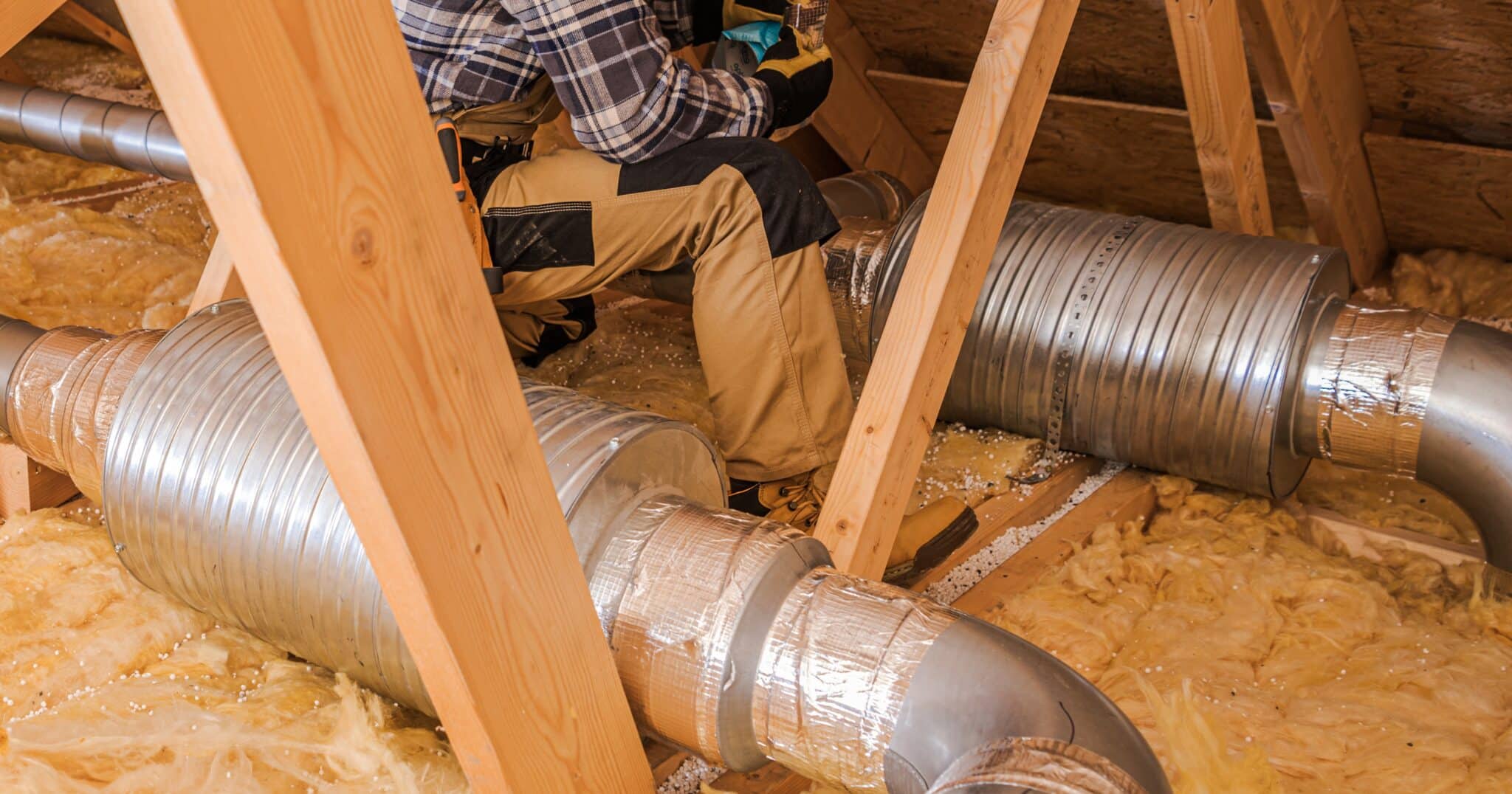
Key Takeaways About Duct Sealing
Duct sealing means closing gaps and fixing connections so conditioned air reaches living spaces. This guide helps homeowners and property managers spot leaks and know when to call a professional.
- Identify drafts noises and dust patterns near vents and registers.
- Prevent further damage by securing loose clamps and fasteners promptly.
- Avoid unsafe attic repairs and call a pro for large inaccessible leaks.
- Spot hidden losses using smoke tests pressure checks and airflow readings.
- Reduce energy waste and uneven temperatures with sealed insulated runs.
- Plan regular inspections and document repairs for future maintenance reference.
Introduction
Leaky air ducts can quietly ruin comfort and raise energy bills across a home. Warm or cool air disappearing into walls or attics makes rooms uneven and forces the HVAC system to run longer. Homeowners in Maryville, TN often notice drafty rooms or higher thermostat runtimes before finding the duct leaks. Identifying the issue early saves money and prevents unnecessary wear on equipment.
Common signs include rooms that never seem to reach the set temperature and odd noises from vents when the system starts. You might also smell dust or stale air coming from registers after the fan runs. Visible dirt on vent edges or gaps in duct joints gives a clear clue that air is escaping. These symptoms matter because they point to lost conditioned air and lower indoor comfort.
A professional inspection uses simple tests and observations to confirm where air leaves the system. Technicians will check supply plenum connections, return grilles, and flex duct seams for obvious gaps or disconnections. They may also perform pressure checks or use a smoke pencil to see airflow paths during diagnosis. Those steps help prioritize repairs and estimate potential energy savings.
Sealing connections and insulating exposed lines reduces leaks and evens out temperatures across rooms. Properly sealed ducts cut the load on the furnace or air conditioner and can lengthen equipment life. For properties in Alcoa, TN, addressing these leaks becomes important when systems age or when renovations expose hidden ductwork. When you notice the listed signs, schedule a professional inspection to get a clear diagnosis and next steps.

How Duct Leaks Form And Why It Happens
Duct leaks form when joints, seams, or connections develop gaps that let conditioned air escape before reaching rooms.
- Loose metal seams can pull apart under vibration.
- Damaged flex ducts may tear at connection points.
- Poorly sealed takeoffs leak air into attics or crawlspaces.
- Disconnected return plenums draw unconditioned air into the system.
Gaps often start small but grow as the system cycles and the sheet metal expands and contracts with temperature changes.
One common homeowner question asks whether a gap at a supply register matters, even small leaks lower system efficiency and comfort noticeably.
Technicians confirm where air leaves using smoke tests, pressure measurements, and visual inspection of the supply plenum and duct boots.
In Maryville, TN and Alcoa, TN homes, leaks near attic or crawlspace connections often send conditioned air into unconditioned spaces instead of living areas.
Common Causes Of Leaky Home Duct Systems
Older metal ductwork often has corroded seams and pinholes where moisture or age weakened the metal. Punctures near the furnace or in the plenum let heated or cooled air escape before it reaches rooms. Flex ducts can develop small tears where they bend or rub against framing members. Technicians look for these thin spots during a hands-on inspection.
Improper connections at takeoffs and boot collars create persistent gaps that worsen with vibration and temperature cycling. Poorly fastened collars or missing screws allow whole-joint separation under system pressure. HVAC transitions from round to rectangular ducts concentrate stress at seams and can crack over time. A professional will test these connections with a smoke pencil or pressure check during diagnosis.
Rodent or pest damage leaves irregular holes and compromised insulation that hide losses inside walls or attics. Animal activity often creates ragged openings rather than neat separations, which makes visual detection harder. Insulation that becomes damp or displaced around ducts reduces its ability to limit energy loss. During an inspection linked to a broader home check, technicians may note pest damage and recommend repairs alongside other findings (plumbing inspection).
Mechanical strain from poorly supported duct runs leads to sagging and disconnected joints between lengths of pipe. Long unsupported spans pull on seams and compromise sealant or tape over time. HVAC equipment vibrations loosen sheet metal junctions, especially on older systems. Addressing support and securing joints prevents many recurring leaks in homes around Maryville, TN and Alcoa, TN.
Signs Your Home Needs Duct Repair And Action
If rooms feel uneven in temperature for long stretches and the thermostat runs more than usual, the ductwork may need repair. Listen for rattles or fluttering from vents when the blower starts, those sounds often point to separated seams or loose takeoffs. Visible dust streaks near registers or sudden dust increase in rooms can mean air is bypassing filters and escaping. A musty smell that appears after the system runs could indicate leaks pulling air from attic or wall cavities.
Check for cold or warm spots on duct surfaces in accessible areas during operation to find probable leak locations. A simple smoke pencil or incense near joints can reveal escaping air paths without special equipment. Technicians will also look for disconnected boots at floor registers and inspect the supply plenum for pinholes or gaps. If you find plumbing access panels or hidden areas with airflow, consider tying that inspection to broader hidden-system checks like a hidden plumbing problems review.
When rooms lose conditioning only when doors or windows are closed, return-air restrictions or disconnected returns often cause pressure imbalances. Professionals check the return grille, blower cabinet, and any inline filters during diagnosis to confirm whether the problem is duct-related. A consistent leaky odor or increased runtime in homes in Maryville, TN suggests conditioned air is escaping to unconditioned spaces. For properties in Alcoa, TN, repeated cycling with little temperature change signals the need for hands-on duct inspection rather than more thermostat adjustments.
If you notice rapid dust buildup at vent edges after filter changes, schedule a diagnostic sooner rather than later to prevent higher energy use. A technician will perform pressure checks, inspect boot seals, and test airflow at supply and return grilles to confirm leak locations. Fixing the leaks reduces unnecessary HVAC runtime and helps even out room temperatures across the home. Contact a qualified HVAC professional if you see these signs, since repair may involve accessing attic or wall spaces safely.
DIY Duct Sealing Options And When To Try
Duct Sealing first steps you can try include tightening visible connections and replacing degraded mastic at accessible seams. Start by turning off the HVAC system and inspecting exposed runs in the attic or crawlspace for loose clamps or torn collars. Use a flashlight while the blower is off, then run the system briefly to listen for new hissing or fluttering sounds. If you find large gaps or disconnections, stop and plan for a professional visit because unsafe attic work or hidden damage may exist.
- Clean edges before applying sealant.
- Use mechanical fasteners where possible.
- Apply mastic to gaps, not duct tape.
- Insulate after sealing exposed ducts.
Small tear repairs can use HVAC-grade mastic and mesh for durability, avoid cloth-backed or duct-tape fixes. For round takeoffs, metal foil tape rated for HVAC keeps flexible ducts attached at slip joints. When insulating is needed, choose insulation with an appropriate R-value and secure it to prevent sagging later. Homeowners in Maryville, TN should wear respirators in dusty attics and avoid inhaling insulation fibers during work.
Simple diagnostic checks help confirm if your efforts worked: run the system and hold a tissue near suspected joints to see if it moves. You can also compare temperature at the register to the duct surface downstream to estimate flow improvement. If airflow stays weak or odor persists, the leak may run inside walls or the plenum and require pressure testing. For hidden leaks or complex diagnostics, consider professional leak detection and repairs like those described in leak detection services.
Try DIY fixes when leaks are small, accessible, and you have safe attic or crawlspace access to work from. Avoid attempting repairs near the furnace, electrical panels, or where asbestos may be present, call a pro in those cases. In a common situation, a homeowner finds a loose boot and tightens it, then notices immediate temperature improvement in one room. For repeated or hard-to-reach leaks, schedule professional inspection and repairs to ensure lasting results in Alcoa, TN homes.
Professional Duct Sealing Services And Checks
Technicians begin with a system-wide pressure test to confirm the scale of leaks and locate major loss points without invasive work. They may use a smoke source or a handheld anemometer at supply and return grilles to map airflow patterns. A written report will note which ducts leak, the estimated air loss, and prioritized repair recommendations for homeowners. For homes in Maryville, TN, these diagnostic steps help decide whether repairs or partial replacement make the most sense.
During hands-on checks, a pro inspects the plenum, takeoffs, and boot collars for mechanical damage and loose fasteners that DIY work can miss. They also inspect flex duct terminations and check for crushed or kinked sections that reduce flow. Photographs and readings form part of the inspection output so you can see exactly where air escapes. If moisture or pest entry appears during inspection, the technician will flag those as related issues to address alongside sealing.
Sealing methods a professional might use include mastic applied with mesh for larger gaps and heat-resistant foil tape for smooth metal seams at transitions. They may also replace damaged sections of flex duct or reinstall disconnected boots with mechanical fasteners and foil tape for a durable joint. When leaks sit behind walls or in inaccessible cavities, professionals often recommend a targeted pressure test to confirm hidden losses before opening finishes. In a common situation, a homeowner hears persistent blower noise and the tech uses pressure readings to locate a hidden return leak behind a closet wall.
After repairs, technicians perform follow-up airflow and pressure checks to verify improvements and quantify expected savings in runtime and comfort. They will provide simple care steps and timing for re-inspection to keep the system sealed and efficient. For homes with unrelated water concerns discovered during access, consider scheduling professional leak detection to avoid future moisture damage. For customers thinking about broader efficiency upgrades, professionals can also discuss combining work with other improvements like installing a tankless water heater.
Materials And Methods For Effective Sealing
Metal duct seams, mastic, and foil tape work together when addressing larger gaps and rigid transitions. A technician often removes loose sealant and applies a mesh-backed mastic over cleaned seams for a durable bond. For small holes in sheet metal, a thin patch secured with foil tape provides a quick, heat-resistant repair. Homeowners in Maryville, TN should expect pros to balance mechanical fasteners with sealants to prevent re-opening under vibration.
Flexible duct repairs use different methods because the liner and outer jacket require coordinated fastening and sealant. Pros typically trim damaged flex, reinstall the inner liner over the takeoff, and use a crimped metal connector with foil tape for the outer jacket. They may also add a bead of HVAC-grade mastic at the joint to keep air from seeping through the liner seam. Proper clamping reduces stress at the connection and extends repair life.
Insulation and sealing combine to reduce conductive and convective losses on exposed runs in attics or crawlspaces. After joints are sealed, technicians wrap ducts with the correct thickness of insulation and secure it with foil tape or mechanical fasteners. Sealing before insulating prevents trapped leaks inside the insulation layer that would undermine thermal performance. For complex situations where leaks are inside walls, professionals may suggest targeted testing similar to those used for slab investigations like slab leak detection to rule out hidden sources.
Pressure testing, smoke pencils, and airflow measurements confirm the effectiveness of chosen materials and methods after work completes. A pro records register airflow and compares it to pre-repair readings to show measurable improvement and reduced system imbalance. They also check the plenum and boot collars to ensure mastic and tape remain intact under operating pressure. For properties in Alcoa, TN, documenting these readings helps plan follow-up maintenance and future efficiency upgrades.

Energy Savings And Comfort Gains From Duct Sealing
Sealing ducts reduces wasted conditioned air and tightens temperature control, improving comfort in real rooms. Duct Sealing near the plenum and takeoffs raises register airflow and cuts runtime on the blower. Measuring before-and-after register temperatures helps estimate how much heating or cooling is reaching living spaces. Many homeowners see faster recovery to setpoints after proper joints and boots get repaired.
- Lower runtime saves energy over many heating and cooling cycles.
- More even airflow reduces hot or cold spots in rooms.
- Furnace or AC runs less frequently under stable loads.
- Insulation works better when leaks are eliminated first.
Professionals confirm savings by comparing pre- and post-repair airflow and system runtime readings. They may record register CFM, duct pressure, and thermostat runtimes to form a written savings estimate. These measurements give transparent evidence of improvement rather than guesswork. Homeowners get clearer decisions about further efficiency upgrades from that data.
Improved balance also reduces noise and drafts that people notice at night or during cold starts. Sealing can prevent conditioned air from entering unconditioned spaces, lowering wasted heating in attics and crawlspaces. For homes in Maryville, TN the change often shows up as steadier basement or upper-level temperatures. In Alcoa, TN properties, occupants may notice shorter recovery times after doors stay open briefly.
Because attic work can pose hazards, technicians follow safety procedures while sealing and insulating ducts. Pros document their safety steps and may reference technician safety guidance during work at higher elevations. You can ask for that documentation and for a simple report showing register readings after repairs. If you want to schedule an inspection or get a report, contact a trained technician to review your system and next steps through their technician safety page at technician seal safety.
Preventive Maintenance Tips To Avoid Future Leaks
Set a schedule for inspecting accessible duct runs at least once a year to catch small gaps before they grow. Check boot collars, visible seams, and flex duct crimps while the system is off and safely supported. Note any new dust streaks, rattles, or temperature drift and record the date for future comparison. If you find signs of pest entry or moisture, pause and call a professional to evaluate the risk before continuing work.
Keep registers and return grilles clean and free of obstructions so pressure stays balanced and joints see less stress. Replace torn filters on the recommended schedule to reduce particulates circulating through the system and collecting at leaks. When moving furniture or doing renovations, protect exposed runs from accidental damage that could tear liners or displace insulation. For homes in Maryville, TN inspect attic duct insulation after severe weather or roof work that could disturb runs.
Maintain proper mechanical support for ducts to prevent sagging and joint separation over time, add straps or hangers where needed. Tighten loose clamps and resecure collars with mechanical fasteners rather than relying on tape that will fail. Track blower motor and thermostat runtimes to spot gradual increases that might indicate returning leaks or blocked returns. If routine checks reveal persistent issues, schedule a professional diagnostic for pressure and airflow measurements.
Document any repairs and add photos to a home maintenance file so future technicians see past work and materials used. Consider combining duct checks with other home inspections, such as scheduling regular sewer work, to reduce repeated access to attics and crawlspaces. In a common situation, a homeowner documents a loose takeoff and later shows photos to a technician who pinpoints recurring vibration issues. Regular, simple maintenance reduces the chance of major duct failures and keeps comfort steady in Alcoa, TN homes.
Frequently Asked Questions
How do I spot hidden leaks in my ductwork quickly?
Start by turning the HVAC fan on and feeling along accessible duct joints and seams for cool or warm air leaks near registers. Hold a lit incense stick or smoke pencil near suspected areas and watch for drifting smoke that indicates leakage. Listen for rattling or hissing sounds in return and supply runs, and look for dust streaks or gaps near connections. If you find significant leaks, avoid major repairs yourself and call a professional for safe inspection and proper Duct Sealing.
What are common repair methods for Duct Sealing?
Technicians commonly use mastic sealant or metal-backed foil tape to close gaps at duct seams and boot connections. They may add fiberglass duct insulation or wrap ducts to reduce conductive heat loss. For larger leaks or damaged trunk lines, crews install new duct sections or apply specialized aerosol sealing from the supply side. If the system is near combustion appliances or shows mold, stop and call a professional for safety and proper repair.
When should I call a pro for duct pressure testing?
Call a professional when you notice large temperature differences between rooms despite thermostat changes. If your energy bills rise or airflow feels weak at multiple vents, schedule a pressure test. A technician will use a duct blower and smoke or pressure readings to locate leaks and quantify loss. If you suspect backdrafting, gas appliance issues, or visible mold, stop using affected systems and call a pro immediately for a safe inspection.
How much can sealing ducts improve room comfort?
Sealing leaks often reduces uneven temperatures by stopping conditioned air loss into crawlspaces, attics, or wall cavities. Homeowners typically notice fewer hot or cold spots within weeks after work finishes. A professional inspection with a smoke test and airflow readings confirms improvements and shows remaining problems. If ducts run through hazardous areas or near gas lines, hire a pro to avoid safety risks and ensure correct repairs.
What maintenance prevents future tears or disconnected boots?
Regular inspections of supply boots and seams catch loose connections before they fail, especially where ductwork runs through attics. Tighten sheet metal screws and re-secure metal collars with mastic or UL-rated foil tape to maintain proper seals. Keep insulation intact around joints and replace torn flex duct to reduce strain that leads to tears. If you find large gaps, persistent damage, or suspect missed connections, exercise caution and hire a qualified HVAC technician to perform Duct Sealing and repairs.