

Key Takeaways About Air Conditioner
This summary explains the early warning signs and common causes of a failing Air Conditioner. It is for homeowners and property managers who need to act before small problems become breakdowns during hot weather.
- Identify weak airflow by checking vents and return grilles.
- Prevent major failure with timely professional diagnostic inspections.
- Avoid higher bills by keeping coils and filters clean.
- Spot unusual noises immediately and note when they occur.
- Reduce risk by documenting leaks frost and visible oil stains.
- Plan repairs based on written diagnostic readings and technician advice.
Introduction
An air conditioner that starts failing usually gives small clues before a full breakdown. Ignoring weak airflow or odd smells can leave a home suddenly without cooling during hot days. Early problems often mean higher energy bills and uneven temperatures across rooms. Homeowners in Maryville, TN face the same risks when systems run inefficiently for weeks.
Strange noises from the outdoor unit or near the thermostat often point to mechanical wear. A humming, grinding, or rattling sound can signal issues with the blower motor, capacitor, or contactor. Those sounds often worsen over time and can precede a complete component failure. For properties in Alcoa, TN these signs can become urgent during heat waves.
Reduced cooling performance and slow recovery after the thermostat changes are common red flags. Clogged condensate drains, a blocked evaporator coil, or low refrigerant can limit cold air delivery. Energy use that climbs while cooling drops suggests the system works harder for less result. Noticing these trends early lets you decide whether repair or replacement makes sense.
Visible evidence such as frost on refrigerant lines or water pooling around the indoor unit shows a system under stress. A professional will inspect the evaporator coil, measure refrigerant pressure, and test the blower motor during diagnosis. These checks provide clear readings that point to the root cause. Acting on small signs prevents uncomfortable breakdowns and larger repair bills.
Common Mechanical Reasons Air Conditioner Fails
An air conditioner’s mechanical failures come from worn or blocked components that stop normal cooling and airflow. Common culprits include the compressor, fan motors, capacitors, contactors, and clogged coils. Homeowners often ask which parts break most often, the compressor and blower motor are frequent failure points. Early recognition of these component issues lets you plan repairs before a full system loss.
- Compressor wear reduces cooling capacity.
- Blower motor faults cut airflow to rooms.
- Capacitor failure prevents motors from starting.
- Contactor pitting stops reliable electrical switching.
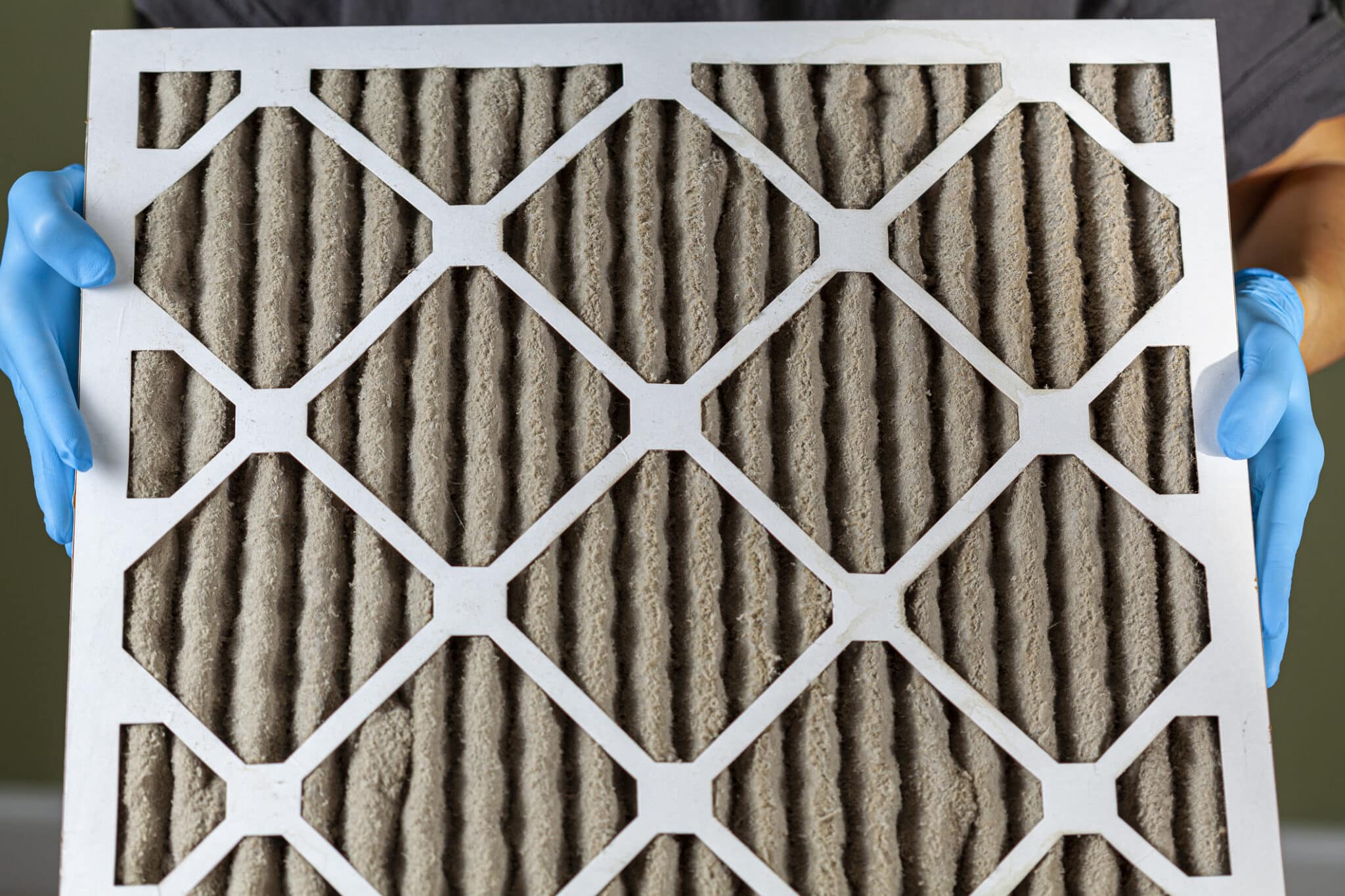
- Clogged coils and filters limit heat transfer.
Compressor problems usually start as reduced cooling and higher pressure readings on the refrigerant lines. A technician will check refrigerant pressures with gauges and listen for abnormal sounds at the outdoor unit. If pressures are off or readings show short cycling, the compressor may be failing. Homeowners often notice these signs as uneven room temperatures or longer run times.
Blower motor and fan issues cause weak airflow and odd vibrations at vents or near the air handler. A professional inspects the blower motor, measures voltage, and tests the capacitor and motor bearings. Simple checks include measuring voltage and observing motor startup behavior for hesitation. In some cases, cleaning or replacing a capacitor restores normal operation quickly.
Electrical components like capacitors and contactors age and fail from heat and cycling, producing clicking or humming noises before total failure. A technician performs a visual inspection, uses a multimeter for continuity tests, and records voltage readings during operation. These diagnostics tell whether replacement or further component testing is necessary. Regular checks reduce the chance of sudden failures during hot spells in Maryville, TN.
Refrigerant-side issues and drainage problems also cause mechanical stress and system shutdowns when left unaddressed. A service call will include checking the evaporator coil for blockages, inspecting the condensate trap, and verifying refrigerant charge with gauges. For broader seasonal equipment care guidance consider related heating checks, such as boiler maintenance, which follow similar inspection principles. In a common situation, a homeowner hears grinding at the outdoor unit and a technician then checks the fan blade, motor bearings, and capacitor to confirm the diagnosis.
Recognizing Weak Airflow And What It Means
Weak airflow at the vents often starts as subtle changes you can feel when standing nearby. Check supply grilles and return vents for reduced rush of air and uneven flow across rooms. A partially blocked return can create negative pressure and reduce overall system output quickly. In Maryville, TN homeowners report rooms that cool slowly even with the thermostat set low during humid months.
Dirty air filters and obstructed returns are common causes, but weak airflow can also point to motor or duct problems. A failing blower motor or a bad capacitor reduces fan speed and lowers delivered cubic feet per minute. A technician will measure static pressure in the ductwork and compare blower motor amp draw to manufacturer specs during diagnosis. For properties in Alcoa, TN, restricted attic or crawlspace ducts can hide gaps that worsen low-flow symptoms.
Restricted evaporator coils and frozen refrigerant lines also reduce airflow by blocking heat transfer at the air handler. Technicians inspect the evaporator coil visually and may use a fin comb, flashlight, or infrared camera to reveal cold spots and ice build-up. They will remove the filter, run the blower, and take voltage and amp readings at the motor to confirm reduced performance. These checks let the pro distinguish between airflow loss and refrigerant-related cooling loss.
A basic homeowner check starts with changing the filter and feeling airflow at several vents while the system runs. If flow improves only a little, call a professional to test the blower motor, capacitor, and duct static pressure. A proper written report should include measured airflow, motor amperage, and visible duct condition so you can weigh repair options. For homeowners considering broader system changes, also review hydronic heating options like hydronic heating systems installation when planning seasonal upgrades.
Identifying Unusual Noises And Why They Occur
Listen for grinding, squealing, or high-pitched whines coming from the air conditioner’s outdoor or indoor units, as each sound hints at different worn parts. Grinding often comes from failing fan or blower motor bearings that need inspection for play and lubrication. Squealing usually points to a loose or worn belt or a motor starting to fail and should be checked promptly. High-pitched electrical whining can indicate a capacitor or contactor problem requiring voltage and continuity checks.
Rattling or clanking noises sometimes mean loose panels, debris in the condenser, or a broken fan blade striking the housing. A technician will visually inspect the fan blade, motor mounts, and cabinet fasteners and may remove the access panel for a closer look. They will also run the unit and listen while observing motor startup to reproduce the sound reliably during diagnosis. Recording or noting when noises occur helps correlate sounds with compressor or fan operation.
Clicking or rapid tapping at the thermostat or air handler can signal relay or contactor wear and intermittent electrical switching under load. Pros diagnose this by measuring coil voltage, testing contactor continuity, and checking for pitted contacts or overheating evidence. They may also test the capacitor with a multimeter and observe motor startup current to confirm whether electrical components fail. For homeowners, note whether clicking aligns with attempts to start cooling or happens continuously between cycles.
When unusual noises accompany decreased cooling or moisture issues, a combined inspection is critical because multiple faults can coexist and worsen. A professional will check the evaporator coil, condensate drain, blower motor, and refrigerant pressures to assemble a clear diagnostic picture. In a common situation, a homeowner hears a scraping noise and the technician then checks the blower wheel, motor bearings, and refrigerant line routing to confirm the cause. If you also have concerns about other systems, review related maintenance like water heater service in Knoxville, TN for coordinated scheduling in Maryville, TN and Alcoa, TN.
Rising Energy Bills And How To Diagnose Causes
Rising energy bills often signal your air conditioner is working harder than it should to reach the set temperature. Check your utility bills for steady increases while cooling output drops or runtime lengthens noticeably. A simple starting check is to note thermostat setpoints and hours of operation across several days for comparison. Homeowners in Maryville, TN often spot gradual bill rises before other symptoms appear.
- Dirty air filter reduces efficiency quickly.
- Blocked condenser reduces heat rejection.
- Low refrigerant makes the compressor run longer.
- Worn blower motor lowers airflow and raises run time.
- Faulty thermostat causes incorrect cycling.
To diagnose causes, a professional first measures run time, supply and return temperatures, and compressor cycling behavior. They inspect the condenser coil visually and check outdoor fan operation to confirm proper heat rejection. Technicians also measure refrigerant pressures with gauges and compare temperature split across the evaporator coil. For properties in Alcoa, TN, these checks reveal whether poor maintenance or component wear drives higher energy use.
A skilled technician uses voltage and amp readings at the blower motor and compressor to find electrical inefficiencies or failing capacitors. They may check static pressure in the ductwork with a manometer to reveal airflow restrictions. Results often include a written report with measured values, photos, and recommended repairs or maintenance.
Poor Cooling Performance And When To Act
Poor cooling often shows first as smaller temperature differences between rooms rather than total system failure. Check supply vent temperatures with a simple thermometer to spot reduced cold air output. If rooms near the thermostat stay comfortable while distant rooms do not, the issue may involve duct balancing or blocked return paths. Homeowners in Maryville, TN should note whether the outdoor unit runs continuously without achieving set temperature.
A common hidden cause is a partially blocked evaporator coil that lowers the temperature split across the system. A technician inspects the coil visually and may measure the supply-to-return temperature difference to confirm inadequate heat transfer. They will also remove the filter, run the blower, and check for airflow restrictions through the return and supply plenum. In many cases, cleaning the coil or addressing airflow restores expected cooling quickly.
Another diagnostic path targets refrigerant and pressures when cooling performance drops but airflow seems normal. A pro connects gauges to the service ports and records suction and discharge pressures while the compressor runs to check charge and system balance. They also inspect the refrigerant line set for visible kinks or oil stains that can point to leaks. Measurements and a written report help you decide between recharge, repair, or replacement.
If uneven cooling comes with frequent short cycles, the technician checks the thermostat operation and compressor cycling history. They will test thermostat calibration, wiring, and control signals while observing compressor run time to rule out control issues. When multiple components show wear or repairs are extensive, discuss replacement timing with the technician to avoid repeated service calls. For guidance about broader household needs, see when to call a plumbing company in Knoxville, TN for related home system coordination.
Refrigerant Problems Explained And Repair Decisions
Low refrigerant commonly causes reduced cooling and longer run times, but a visible oil stain on the line set or frost on the suction line suggests a leak. A technician locates leaks with electronic leak detectors and may apply a soap solution to fittings while the system runs. They will record pressure readings on gauges and compare suction and discharge values to expected ranges for the system. Based on findings, the pro explains whether a repair, refrigerant recharge, or further component replacement is necessary.
Not all low-pressure readings mean a leak, a blocked metering device or a failing compressor can mimic a low-charge condition. A professional inspects the expansion valve or TXV and measures superheat at the evaporator outlet to differentiate causes. They also check the compressor for unusual vibration and measure amp draw to confirm mechanical health. Those diagnostic steps help homeowners weigh repair costs against the unit’s age and remaining life.
Repair decisions often balance leak repair difficulty with refrigerant type and regulatory factors, especially if the system uses older refrigerants. Technicians follow EPA guidelines when recovering or charging refrigerant and provide written results from pressure and temperature tests. For homes in Maryville, TN and Alcoa, TN, a documented diagnosis helps plan seasonal service or replacement during milder months. If multiple leaks or compressor damage appear, replacement may offer better long-term value than repeated recharges.
Minor leaks at accessible fittings sometimes allow a localized repair and recharge, while buried coil leaks typically require coil replacement or system replacement if the compressor is old. A tech will pressure-test lines with nitrogen and inspect for corrosion or mechanical damage before recommending actions. Homeowners benefit from a clear cost-versus-life analysis in the service report to choose repair now or budget for replacement. For coordinated spring maintenance or multi-system scheduling, consider checking prep resources like preparing other systems before peak cooling season.

When To Call A Professional For Air Conditioner
If noises, weak cooling, or visible leaks persist after basic checks, schedule professional service promptly to prevent major failure. A technician will perform a focused inspection including voltage and amp readings at the compressor and blower motor. They will also test refrigerant pressures with gauges and check evaporator coil condition under load. Acting before the compressor fails can save significant time and reduce total repair cost.
- Document when the symptom started.
- Note any patterns with thermostat settings.
- Record unusual sounds or smells.
- Keep photos of visible leaks or frost.
Call for service when the system short-cycles repeatedly or runs constantly without reaching set temperature, as these show serious control or charge issues. A pro will inspect the contactor, capacitor, thermostat wiring, and measure run times to pinpoint causes. For homeowners in Maryville, TN, scheduling during mild weather can avoid emergency heat. A clear diagnostic report helps decide between repair and replacement decisions.
Simple Preventive Maintenance Homeowners Can Do
Clean or replace the air filter every 1–3 months during heavy use to keep airflow steady and reduce strain on the blower motor. Check the return grille and supply vents for dust buildup and vacuum visible dust without removing fixed grilles. While changing the filter, inspect the visible portion of the evaporator coil for excessive dust or debris that could signal a needed professional coil cleaning. These small actions help the system run more efficiently and delay component wear.
Keep the outdoor condenser clear of leaves and debris that block airflow and raise compressor temperatures during operation. Trim plants back at least two feet and remove grass clippings after lawn work to prevent clogs without bending or damaging the fins. Straighten any bent condenser fins carefully with a fin comb or a flat tool to restore airflow direction. Simple clearance checks reduce the chance of heat-rejection problems that lead to higher run times.
Confirm the condensate drain line is flowing by pouring a cup of water into the indoor drain pan and watching it leave the pan within minutes, slow drainage means a clog. If the drain uses a trap or condensate pump, ensure the pump runs and the trap is seated correctly to prevent overflow. For homes in Maryville, TN the extra humidity can increase the chance of biological growth in drains, so periodic checks matter. When you see persistent clogging, contact a professional to clear the line safely.
Test thermostat function by replacing batteries and observing that the system responds when you change setpoints and fan settings while noting any display errors. Clean dust from the thermostat interior gently with a soft brush to avoid misreading sensors, and avoid placing the thermostat near direct sunlight or heat sources. If the thermostat seems unresponsive or causes short cycling, a technician will verify control wiring and calibration during diagnosis. Proper thermostat checks prevent unnecessary service calls and improve comfort control.
Frequently Asked Questions
What early sounds indicate an air conditioner problem?
Rattling or loose-part noises often point to a failing fan, loose screws, or debris lodged in the outdoor unit. Hissing or bubbling sounds usually indicate refrigerant leaks or pressure issues that reduce cooling capacity. Grinding or screeching noises suggest a failing motor or bearing and require immediate attention to avoid further damage. If you hear burning smells or loud electrical popping, turn the system off and call a professional because these pose safety risks.
Why is my air conditioner producing weak airflow?
Weak airflow usually comes from a clogged air filter, blocked return vents, or a dirty evaporator coil reducing air movement. A failing blower motor or a damaged blower wheel can also lower airflow and need inspection. Low refrigerant pressure can cause the evaporator to frost and restrict flow, so watch for frost on lines. If you smell burning or see smoke, shut off the system and call a professional immediately for safe diagnosis and repair.
Could rising energy bills signal AC failure?
Yes, rising energy bills can indicate an Air Conditioner is losing efficiency due to failing components or low refrigerant levels. Reduced cooling output and longer run times raise electricity use even when temperatures feel higher. Inspectors will check thermostat settings, air filter condition, refrigerant pressure, and blower motor amperage to confirm causes. If you smell burning or see melted wiring, turn off the unit and call a professional immediately for a safe diagnosis and repair.
What visible signs show my air conditioner is stressed?
Look for ice buildup on refrigerant lines, frost on the evaporator, or water pooling near the indoor unit as visible stress signs.
A sagging or rusted condenser housing, bent fins, or oil stains around the outdoor unit suggest leaks or mechanical wear.
Yellowed or dirty air filters, clogged return grilles, and excessive dust around vents show airflow restriction that stresses the system.
If you see burned wiring, scorch marks, or persistent leaking, stop use and call a professional because these pose safety risks.
When should I call a pro to diagnose cooling loss?
Call a professional when cooling loss persists after replacing filters and confirming thermostat settings. If you notice warm spots, reduced airflow from vents, or frequent short cycling, schedule an inspection. Also contact a technician if you detect burning smells, refrigerant hissing, or unusual noises, as these pose safety and system risks. A pro will test refrigerant levels, inspect the evaporator coil, blower motor, and electrical components to diagnose root causes.