





Aerator cleaning is a simple yet effective way to enhance your faucet’s performance. Residents in Knoxville, TN, and surrounding areas like Oak Ridge and Andersonville, TN, frequently face this problem due to the mineral-rich water in the region.
The good news is that aerator cleaning is a straightforward process that can significantly improve your water pressure. By removing and cleaning the aerator, you can get rid of the debris and buildup that slow down water flow. This not only leads to better faucet functionality but also contributes to water conservation. It’s a win-win for both your home and the environment.
For those living in Knoxville, TN, aerator cleaning might seem like a task for professional plumbers. However, with the right guidance, anyone can perform this maintenance task. It’s an essential skill that ensures the longevity and efficiency of your faucets. Plus, it’s a quick fix that can make a noticeable difference in your daily water usage.
Whether you’re in Oak Ridge, TN, or Andersonville, TN, taking the time for aerator cleaning can greatly benefit your household. It’s a minor task with major rewards, including improved water pressure and reduced water waste. By keeping your aerator clean, you ensure a steady, strong water flow, making your daily routines smoother and more efficient.
Importance of Regular Aerator Cleaning
Understanding the importance of regular aerator cleaning is crucial for maintaining optimal water flow in your home. In areas like Oak Ridge, TN, where water contains higher mineral content, aerators can become clogged more frequently. This can lead to reduced water pressure and an increase in water usage, as faucets need to be opened wider to achieve the desired flow. Regular cleaning ensures that water is dispensed efficiently, helping to conserve water and reduce utility bills.
Moreover, aerator cleaning extends the lifespan of your faucets. When debris and mineral deposits accumulate, they can cause wear and tear on the faucet’s internal components. By keeping the aerator clear, you prevent damage and avoid the need for premature faucet replacement. Residents in Andersonville, TN, and surrounding areas can greatly benefit from this simple maintenance task, ensuring their faucets remain in good working condition for years to come.
Additionally, aerator cleaning can improve water quality by removing particles that may get trapped. This is especially important for households that use their tap water for drinking and cooking. Clean aerators help ensure that the water flowing from your taps is clear, clean, and free of any unwanted debris. It’s a straightforward step that can make a significant difference in the quality of your home’s water supply.
Finally, regular aerator cleaning is an easy DIY task that anyone can do. It doesn’t require specialized tools or extensive plumbing knowledge. With just a few minutes and some basic steps, homeowners in Knoxville, TN, and beyond can achieve professional-level results. This not only saves money on plumbing services but also empowers residents to take an active role in maintaining their home’s plumbing system.
Identifying When Your Aerator Needs Cleaning
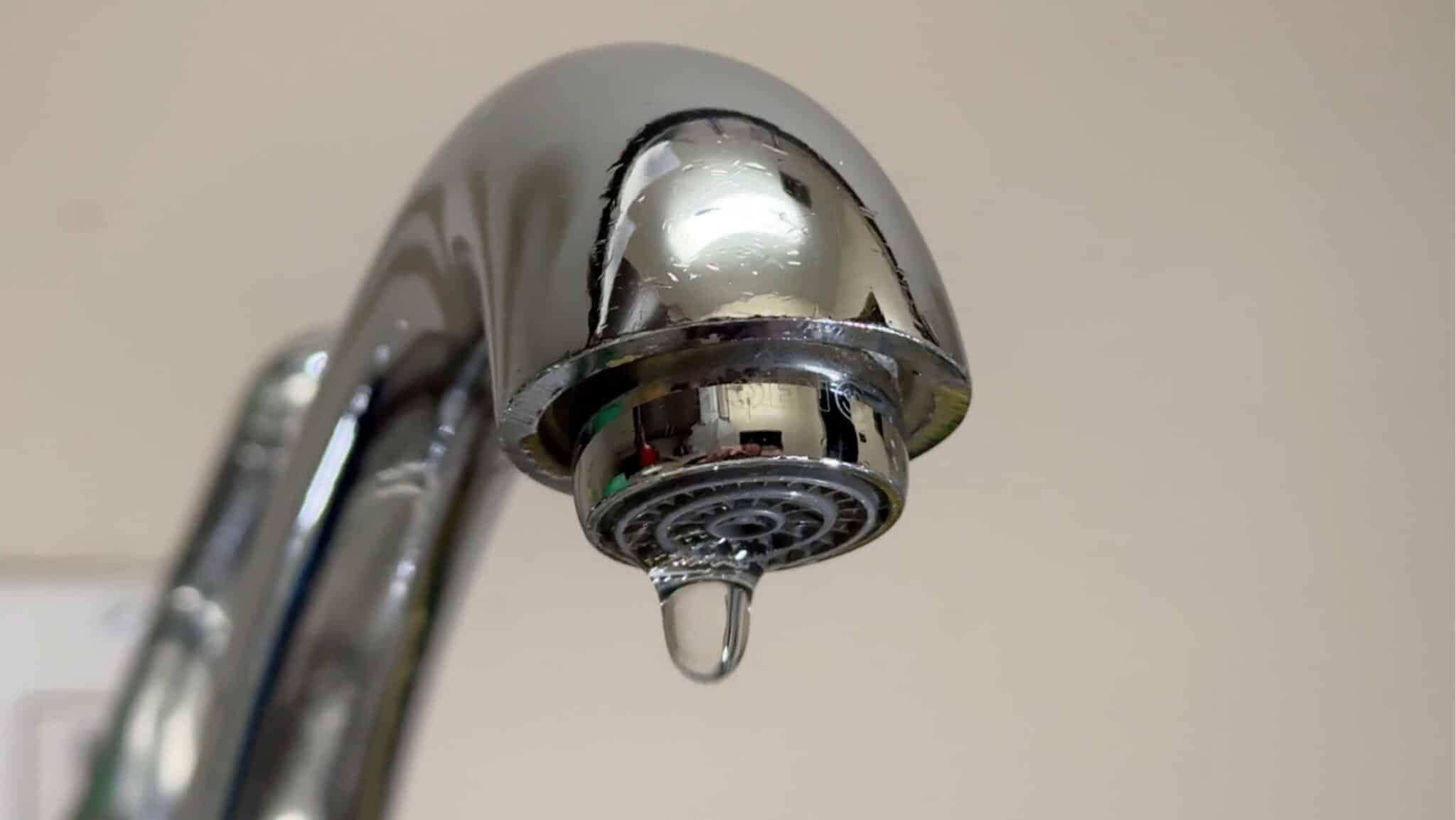
Knowing when your aerator needs cleaning is key to maintaining a steady and efficient water flow in your home. If you start noticing a decrease in water pressure or if the water stream from your faucet becomes uneven, it’s likely time for aerator cleaning. These signs are particularly common in areas like Oak Ridge, TN, where mineral deposits can quickly accumulate. Addressing this issue promptly can restore your faucet’s performance to its optimal state.
Another indicator that your aerator requires attention is the presence of visible particles in the water coming from your taps. This can happen anywhere, but homes in Andersonville, TN, might experience it more frequently due to the local water supply’s characteristics. When you see sediment or debris in the water, it’s a clear sign that aerator cleaning should be your next step. This simple task can significantly improve the quality of your water.
Strange noises coming from the faucet can also suggest that it’s time for aerator cleaning. If you hear a whistling or hissing sound when you turn on the tap, the aerator could be partially blocked. This is a common issue that residents in Knoxville, TN, can easily fix with a quick cleaning. By doing so, you ensure that your faucet operates quietly and efficiently.
Lastly, if water starts spraying in different directions when you use the faucet, it’s a telltale sign that the aerator is clogged. This not only makes daily tasks more challenging but also leads to unnecessary water wastage. A simple aerator cleaning can resolve this issue, enhancing your faucet’s functionality and conserving water. Remember, keeping an eye out for these signs can help you maintain a well-functioning plumbing system in your home.
Tools and Materials Needed for Aerator Cleaning
When embarking on aerator cleaning, gathering the right tools and materials is the first step to success. You’ll need a wrench or pliers, a bowl, vinegar, and a small brush or toothbrush. These items will help you remove the aerator, soak it to dissolve mineral deposits, and scrub away any lingering debris. Having these tools at hand ensures a smooth and efficient cleaning process.
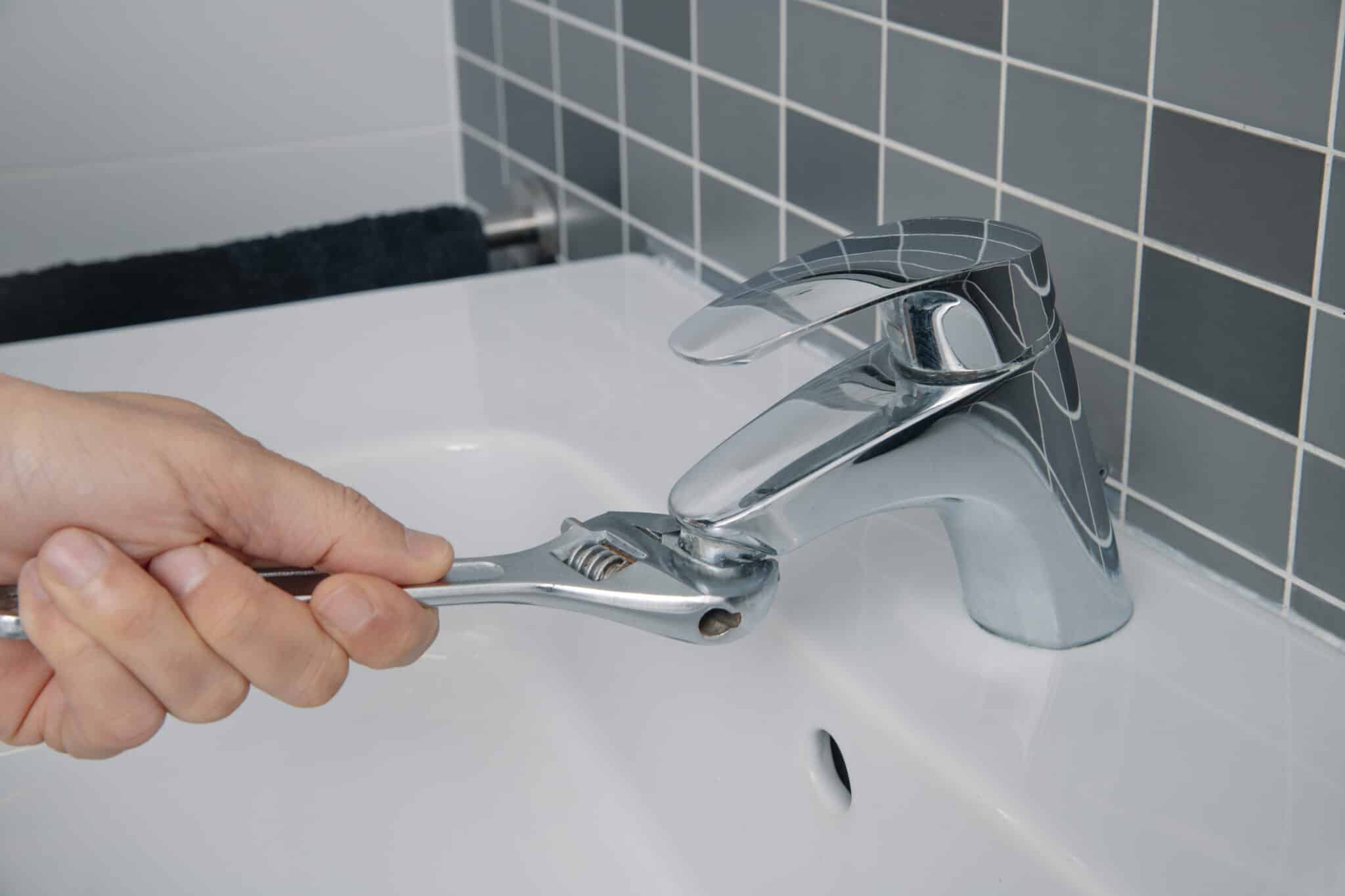
Once you have your tools ready, carefully remove the aerator from the faucet using the wrench or pliers. Place it in the bowl filled with vinegar to soak. Vinegar is a natural and effective solution for breaking down the mineral buildup that’s common in areas like Oak Ridge, TN. This soaking process, which should last for about an hour, makes the cleaning easier by loosening the deposits.
After soaking, take the small brush or toothbrush and gently scrub the aerator. This action removes any remaining mineral deposits or debris, ensuring the aerator is thoroughly clean. Scrubbing with a soft-bristled brush prevents damage to the aerator’s screen while effectively clearing away obstructions. This step is crucial for restoring optimal water flow and pressure.
Finally, rinse the aerator with clean water and reattach it to the faucet. This last step revitalizes your faucet, making it ready for use with improved water flow. Residents in Andersonville, TN, will find this simple maintenance task enhances their daily water usage experience. Regular aerator cleaning, as outlined, promotes better water efficiency and extends the life of your faucet.
Step-by-Step Guide to Removing the Aerator
Aerator cleaning begins with the careful removal of the aerator from your faucet. Using the wrench or pliers, gently twist the aerator counter-clockwise until it comes free. This process is crucial for residents in Oak Ridge, TN, where water’s high mineral content can make aerators particularly tight. Ensure you hold the faucet steady with one hand to avoid any damage.
Once removed, place the aerator into a bowl filled with vinegar. The acidity of the vinegar works wonders in dissolving the stubborn mineral buildup that’s common in Andersonville, TN. Let it soak for about an hour, which gives the vinegar ample time to break down the deposits. This soaking step is essential for making the cleaning process more manageable.
After the soaking period, take a small brush or toothbrush and start scrubbing the aerator gently. This action helps remove any leftover debris or mineral deposits, ensuring the aerator is completely clean. It’s important to scrub softly to avoid damaging the aerator’s delicate screens. This thorough cleaning restores the aerator’s functionality, ensuring better water flow.
Finally, rinse the aerator under clean water to wash away any vinegar or loosened deposits. Carefully screw it back onto the faucet, making sure it’s secure but not overtightened. This reattachment completes the aerator cleaning process, significantly improving your faucet’s water pressure and flow. Regular maintenance like this keeps your plumbing in top condition, saving you from future water flow issues.
Cleaning the Aerator: Techniques and Tips
When tackling aerator cleaning, knowing a few techniques and tips can make the process more efficient and effective. Start by ensuring that all parts of the aerator are completely submerged in vinegar during the soaking period. This step is crucial, especially in areas like Oak Ridge, TN, where the high mineral content can lead to significant buildup. A full soak ensures that the vinegar has enough time to work its magic on every component.
After soaking, instead of immediately scrubbing, gently tap the aerator on a hard surface to dislodge any loose deposits. This simple action can help remove a significant amount of buildup without much effort. It’s a handy tip for residents in Andersonville, TN, looking to simplify their aerator cleaning routine. This method helps preserve the aerator’s integrity while ensuring a thorough clean.
For those stubborn deposits that still cling after soaking and tapping, consider using a pin or needle to gently poke through the aerator’s holes. This precise approach allows you to target the hardest-to-reach areas without causing damage. It’s particularly useful for clearing out the fine openings that are essential for creating a smooth water flow. This technique ensures that water pressure is restored to its optimal level.
Lastly, running water through the aerator before reattaching it to the faucet can help flush out any remaining vinegar or debris. This final rinse is an important step in the aerator cleaning process, ensuring that your water tastes fresh and is free from any residual cleaning solution. By following these techniques and tips, you can achieve a more effective clean, resulting in improved water flow and pressure for your home.
Reassembling and Testing Your Faucet After Cleaning
After completing the aerator cleaning process, the next step is to reassemble the aerator and attach it back to the faucet. This involves carefully screwing the aerator into place by hand, ensuring it’s snug but not overly tight. Residents in Oak Ridge, TN, will appreciate the simplicity of this task, which can significantly enhance their water flow. It’s important to ensure the aerator is aligned properly to avoid cross-threading, which could damage the faucet.
Once the aerator is securely in place, it’s time to test the water flow. Turn on the faucet slowly to allow water to flow through the newly cleaned aerator. This moment is crucial for observing any improvements in water pressure and flow. People living in Andersonville, TN, will find this step satisfying, as they can immediately notice the difference a clean aerator makes in their water quality.
If the water flow is uneven or if there are leaks around the aerator, it might not be attached correctly. In such cases, turning off the faucet and re-adjusting the aerator is necessary. This adjustment ensures a perfect fit and eliminates any potential for leaks. A secure fit is essential for the aerator to function correctly, providing a steady and strong water flow.
Finally, regular maintenance, including aerator cleaning, is key to sustaining optimal faucet performance. Encouraging this practice among residents can lead to significant improvements in water efficiency and pressure in their homes. By making aerator cleaning a routine task, individuals can enjoy a consistent, high-quality water flow, making daily water use more enjoyable and efficient.
Aerator Cleaning Maintenance Tips
Establishing a regular schedule for aerator cleaning is crucial for maintaining optimal faucet performance. By setting reminders every three to six months, residents in Oak Ridge, TN, can ensure their faucets remain in top condition. This frequency can vary based on water hardness and usage, but regular checks help prevent buildup. Adhering to a schedule prevents sudden drops in water pressure and keeps water flow smooth.
Using the right tools for aerator cleaning enhances the efficiency of the task. A simple toolkit, including pliers, vinegar, and a soft brush, can make a significant difference. For those in Andersonville, TN, finding these items locally is easy, and they’re essential for a thorough clean. Having these tools on hand simplifies the cleaning process, making it more likely to be done regularly.
Involving family members in aerator cleaning can turn it into a manageable and educational household chore. Teaching children the importance of water conservation and faucet maintenance instills valuable life skills. Plus, it distributes the workload, making it less daunting for one person to handle. This collaborative approach ensures everyone appreciates the value of maintaining home appliances.
Finally, keeping a log of aerator cleaning activities can help track maintenance and identify any recurring issues. Noting the date of each cleaning, along with any observations about water flow or quality, provides useful insights. This record-keeping can alert homeowners to potential plumbing issues before they become serious, saving time and money. It’s a simple yet effective way to manage home maintenance tasks efficiently.
Troubleshooting Common Aerator Issues After Cleaning
After aerator cleaning, some may still experience water flow issues. This could be due to improper reassembly of the aerator components. If water pressure hasn’t improved or if the stream is uneven, disassembling and rechecking each part for correct placement is advised. Ensuring everything is correctly aligned and securely fastened can often resolve these post-cleaning problems.
In some cases, aerator cleaning might reveal damage to the aerator itself, such as cracks or worn threads. A damaged aerator can affect water flow and quality, making replacement necessary. Residents in Oak Ridge, TN, should consider inspecting their aerator closely during cleaning. Identifying any signs of wear early can prevent water flow issues from persisting.
Occasionally, even after thorough aerator cleaning, water pressure issues may persist, indicating a deeper plumbing problem. This situation might require professional assessment, especially if aerator maintenance doesn’t restore normal flow. For those in Andersonville, TN, seeking help from a plumbing expert can ensure that underlying issues are addressed promptly. Professionals can offer solutions that extend beyond the aerator, ensuring the entire plumbing system functions optimally.
Maintaining a clean aerator is crucial for consistent water flow, but it’s also important to recognize when professional help is needed. Regular aerator cleaning prevents many common issues, yet being prepared to consult with a plumber when problems persist is wise. This proactive approach ensures that residents can enjoy steady, reliable water pressure, contributing to a more efficient and enjoyable home environment.
Frequently Asked Questions
What is an aerator?
An aerator is a small but crucial part of your faucet. It mixes air with water to reduce splashing and save water. Over time, it can collect debris, affecting water flow. Regular aerator cleaning can improve water pressure and quality.
How often should aerator cleaning be done?
Aerator cleaning should be a regular part of your home maintenance routine. Ideally, aim to clean your aerator every three to six months. This schedule helps prevent buildup and ensures a steady water flow. Keeping up with this task can significantly enhance your faucet’s performance and water quality.
Can I clean an aerator myself?
Yes, you can clean an aerator on your own with a few simple tools. First, unscrew it from the faucet’s tip. Next, rinse off any debris under running water. Finally, soak it in vinegar overnight to remove hard water deposits, then rinse again before reattaching. This process ensures your aerator works efficiently, improving water flow and quality.
What tools are needed for aerator cleaning?
For aerator cleaning, you’ll need a few basic tools. Start with a wrench or pliers to gently remove the aerator. A small brush or toothbrush helps scrub off the debris. Finally, vinegar is essential for soaking the aerator to dissolve mineral deposits. With these tools, you’re all set to ensure your faucet’s optimal performance.
Why does my faucet flow slowly?
A slow faucet flow often points to a clogged aerator. Mineral deposits and debris build up over time, blocking water. Regular aerator cleaning can restore proper flow. This simple maintenance task improves both water pressure and quality.