



Key Takeaways About Washing Machine Supply Lines
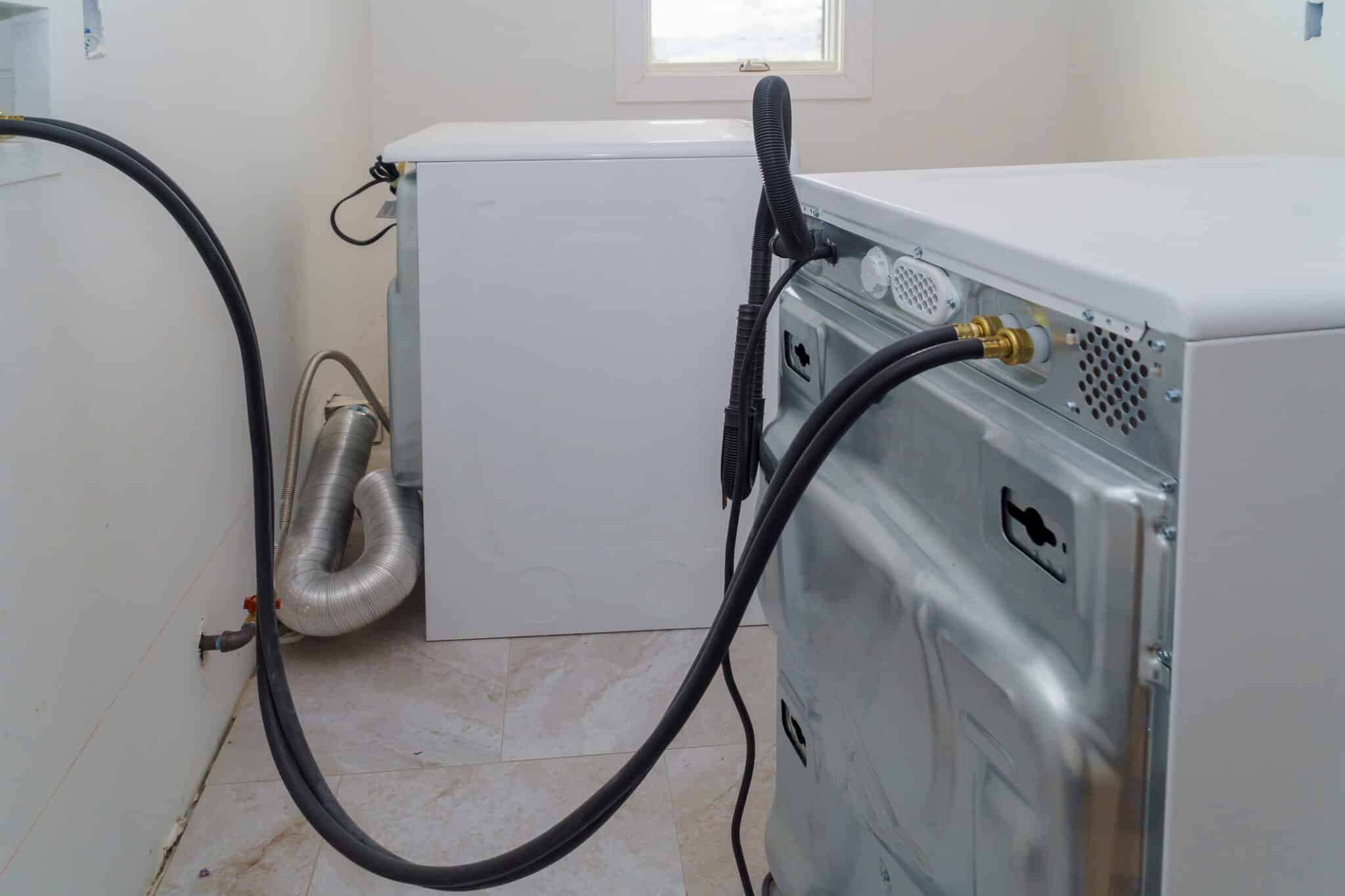
Washing machine supply lines are the hoses and fittings that deliver water to your washer and can fail from heat pressure wear or corrosion. This summary is for homeowners and property managers to spot risks before heavy summer laundry use causes damage.
- Identify stiffness bulges or visible cracking on hose surfaces.
- Prevent kinks by routing hoses with gentle curves and clips.
- Avoid running multiple appliances during washer fill cycles.
- Spot rust mineral buildup or loose fitting threads early.
- Reduce pressure spikes by testing household pressure and timing.
- Plan professional inspections and replacements before summer peaks.
Introduction
Washing machine supply lines fail more often in summer when homeowners run more loads and stress plumbing systems. Increased laundry and higher hot water use raise flow and pressure through hoses. Older hoses and fittings face heat and UV exposure that speeds material breakdown. That combination raises the chance of leaks and sudden bursts that cause water damage.
Many failures start as small drips that go unnoticed behind a washer or under a standpipe. Visible signs can include wet flooring, musty smells, or rust on fittings near a shutoff valve. If a hose bursts, water can flood adjacent rooms before a homeowner can react. Quick detection matters because water spreads through floors and into walls fast.
Material age and manufacturing type play a big role in how long a supply line lasts. Rubber inner cores, braided stainless steel, and plastic composites all respond differently to heat and pressure. Repeated pressure spikes from a worn pressure-reducing valve or washer fill valve create fatigue in hose walls. Over time those stress cycles create weak spots that then fail under summer loads.
For properties in Maryville, TN and Sevierville, TN the risk can increase during warm months when residents use more laundry and cooling systems. Homeowners who notice sounds, stains, or higher water bills should take the signs seriously. A professional can inspect supply lines, shutoff valves, and nearby connections to confirm the issue. Early action reduces repair scope and the chance of major water damage.
How Summer Heat Accelerates Hose Material Breakdown
Heat speeds chemical and physical breakdown of washing machine supply lines by weakening hose materials and seals over time.
- Heat softens rubber cores.
- Metal expands slightly under temperature.
- Plastic becomes brittle with repeated cycles.
- UV exposure degrades exposed jackets.
Hot water and warm ambient temperatures reduce the elasticity of rubber inner hoses, making them more prone to cracks during pressure changes. A common homeowner question asks if heat alone can cause leaks, and yes, prolonged heat can create micro-cracks that grow under flow. Inspectors look for hard, less-flexible hose sections and flattened spots where material failed first. Professionals will also note any discolored or brittle outer jacket as a clear sign of heat damage.
Thermal cycling from repeated hot washes creates expansion and contraction that stresses connections and ferrules at fittings. Over time, that motion loosens clamps and weakens the crimped or threaded joints at shutoff valves and fill valves. A technician diagnosing the problem will check hose flexibility, run a pressure gauge at the shutoff, and look for microscopic weeps with a flashlight and tissue. They may also test the washer fill valve for rapid opening that magnifies the stress on hose walls.
Homeowners in Maryville, TN and Sevierville, TN often notice heat-related signs like stiff hoses, small surface cracks, or damp floors near connections during summer months. If you see any of these signs, a professional can confirm damage and recommend replacement options built to handle seasonal stress. For general steps to reduce leak risk and routine checks, review these practical tips from a plumber. Acting before a failure prevents the sudden bursts that lead to costly water damage.
Increased Laundry Loads Raising Water Pressure Demands
Summer laundry surges force washers to run more cycles in a day, which raises how often hoses see peak flow. Each fill cycle sends a pressure pulse through the washing machine supply lines that can stress seams and joints. When multiple cycles occur back-to-back, hoses get less time to relax between pulses and fatigue accumulates faster. Homeowners may notice the washer running more often during warm months as families wash bedding and summer clothes.
Higher flow rates can magnify existing weak spots in hose walls or at metal ferrules near shutoff valves. If a pressure spike meets a thin or cracked section, the hose can develop a leak or split suddenly. A technician diagnosing issues will attach a pressure gauge at the shutoff and observe pressure changes while the washer fills. They may also press along the hose and inspect the ferrules and crimp points for microscopic separation.
Variable pressure from shared household use also plays a role when someone runs a dishwasher or opens an outdoor spigot during a laundry cycle. These simultaneous demands can cause brief pressure surges that repeat across dozens of cycles in a week. To reduce those surges, homeowners can stagger appliance use or install a pressure-reducing device, see guidance on reducing water pressure issues for practical steps. A controlled flow pattern helps lower cumulative stress on washing machine supply lines and fittings.
In a common situation, a homeowner hears a small hissing during a fill and notices wet carpet minutes later, this suggests a pressure-related hose failure. A professional would check the washer fill valve timing, measure static and dynamic pressure, and inspect the hose outer jacket for stress lines. For properties in Maryville, TN and Sevierville, TN owners should track laundry frequency and pressure symptoms to prioritize inspections. Acting on early pressure signs prevents larger failures and reduces the chance of water damage.
Aging Metal Fittings And Corrosion Failure Mechanisms
Metal fittings on washing machine supply lines corrode from mineral deposits, oxygen exposure, and stray currents that attack metal surfaces. Corrosion often starts inside threaded connections and at the ferrule where water contacts metal repeatedly. Homeowners may spot green or reddish buildup near the shutoff valve or on the hose crimp as the first visual clue of galvanic action. A professional inspects these areas closely with a flashlight and can test for soft metal or pitting that indicates advanced corrosion.
Corrosion weakens the mechanical joint, making threads seize or fail under load during a high-pressure fill cycle. Scored or rounded threads reduce clamp effectiveness and can lead to slow leaks that grow into sudden failures. Technicians will remove the hose and check the valve stem, packing, and ferrule for metal loss and may use a simple dye test to locate hairline leaks. For homes in Maryville, TN a plumber might also check nearby shutoff operation to ensure the valve can stop flow quickly if a failure occurs.
Electrochemical corrosion can occur when dissimilar metals contact each other through water, creating a small battery that accelerates decay at one fitting. Replacing mixed-metal assemblies with compatible materials reduces this risk and prolongs service life. A diagnostic step a professional uses is a continuity test to detect stray current paths or metal-to-metal contact that should not exist. In a common situation, visible rust on a coupling prompts a pro to check for pitting and to photograph the damage for a repair plan.
Threaded and crimped joints lose sealing ability as corrosion advances and threads deform from wear and chemical attack. During inspection, a plumber will pressure-test the connection and watch for weeping around the ferrule using a tissue or small mirror. Where corrosion has compromised a fitting, replacement of both the hose and the affected valve or adapter prevents repeated failures. For guidance on detection techniques and leak location tools, review methods used by professionals at what methods does a plumber use to detect leaks, and consider scheduling an inspection for properties in Sevierville, TN.
Kinked And Twisted Lines Causing Gradual Wear
Kinks and twists create constant friction points that wear the inner hose and outer jacket over months of use. A bent hose flexes at the same spot every cycle, causing material thinning and micro-tears along the crease. Homeowners may notice a subtle bulge or a flat spot where the hose no longer returns to round shape. A professional inspects bent sections and flex points for softening, cracks, or layered delamination during a routine check.
- Inspect hoses for tight bends behind the washer.
- Check for flattened or oval hose sections.
- Feel for soft spots along the hose length.
- Ensure hoses route without twisting at fittings.
- Replace hoses showing any surface cracking.
Repeated twisting while connecting or moving a washer causes threads and ferrules to stress unevenly and loosen with time. That torsion can open tiny gaps at the connection that leak under pressure pulses during a fill. Technicians will hand-check nut tightness and look for concentric wear marks on the fitting surface. They may also run a brief cycle to observe movement and check for new weeps at the connection.
Improper routing near the wall box or obstructed drain pans increases the chance of hose rubbing and chafing during operation. Vibrations from a running machine magnify these small motions, turning minor abrasions into full breaks over months. A plumber often recommends re-routing hoses with gentle curves and securing them to prevent movement. For tricky leak sources or hard-to-see wear, consider professional leak detection services and ask about a written inspection report for peace of mind.
In a common situation, a homeowner finds damp flooring after shifting a washer and sees a kinked supply line behind it, a pro would photograph the damage and pressure-test the connection next. The technician uses a pressure gauge and visual inspection to confirm whether the kink caused a breach or if corrosion also played a role. For properties in Maryville, TN and owners in Sevierville, TN, correcting hose routing prevents repeated failures in tight laundry spaces. Taking small routing steps now reduces the chance of a sudden, costly leak later.

Signs Of Leaks To Watch For At Home
Look for unexpected water pooling near the washer during or after a cycle, which often signals a slow leak from supply connections. Watch for damp baseboards, wet cabinet floors, or warped flooring near the laundry area as early physical cues. A sudden spike in household humidity or a persistent musty odor can point to unseen leaks inside walls. If you smell mildew without visible water, inspect behind the machine and feel along accessible hose runs for dampness.
Check the shutoff valves and visible fittings for small drips or mineral crust that indicate repeated moisture exposure. Run a short wash and observe each connection for active weeps, use a tissue to detect tiny drips that escape the eye. Listen for hissing or soft rattling during fill cycles, which may mean a hairline split in a hose under pressure. If you notice these sounds, turn off the shutoff valve and inspect the hose exterior carefully for bulges.
Watch your water meter for unexplained runtime when no fixtures are in use, an indirect sign of concealed supply line leaks that waste water. A rising water bill without added household use often accompanies slow leaks behind appliances or inside walls. Professionals use moisture meters and infrared imaging to locate wet framing and hidden saturation when surface checks fail. For homes in Maryville, TN consider scheduling a targeted inspection if you see these billing or moisture patterns.
Look for rust stains on fittings or discoloration on the washer pan or wall box that indicate chronic seepage requiring repair. A professional would perform a pressure check, visually inspect fittings, and use leak detection tools at suspect locations. If you prefer a proactive approach, arrange a pre-summer inspection to catch wear before heavy use, and ask about water leak detection services for concealed problems. For properties in Sevierville, TN early detection reduces repair scope and prevents mold growth after unnoticed leaks.
When To Call A Professional For Washing machine supply lines
If you see active dripping that wets flooring quickly, call a plumber right away to avoid structural damage. A professional will shut off water, remove the hose, and inspect the shutoff valve for failure. They use a pressure gauge and visual inspection to confirm whether the supply line or a valve caused the leak. For urgent ruptures affecting living spaces, consider emergency services that handle sudden pipe failures.
When leaks are intermittent or only occur under load, schedule a diagnostic visit rather than waiting for a full burst. A technician will run the washer through fill cycles while observing the fittings and using a flashlight to spot micro-weeps. They may also test static and dynamic pressure and check the washer fill valve timing for abnormal operation. This process helps separate supply line defects from washer valve issues.
Call a pro if hoses are more than five years old or if fittings show visible pitting and deformity that suggest imminent failure. The plumber will often replace both the hose and any corroded adapter to prevent repeat leaks and document condition with photos. They can also recommend braided stainless steel or reinforced lines matched to your home pressure conditions. Homeowners in Maryville, TN should consider proactive replacement before heavy seasonal use increases risk.
If a leak has soaked floor framing or drywall, contact a professional who can assess moisture damage and advise on drying or repairs. Technicians use moisture meters and infrared tools to locate hidden wet areas and provide a written report of findings. For repeat or severe bursts a plumber may suggest installing an automatic shutoff device or upgrading shutoff valves. For severe emergency responses, see services related to emergency pipe bursts, and arrange prompt help for affected properties in Sevierville, TN.
Immediate Steps To Take After Detecting A Leak
Shut off the washer supply valves immediately and then turn off the home’s main water if valves do not stop flow. Move the washer away from the wall carefully to access the wet floor and fittings without causing more damage. Use towels or a wet/dry vacuum to remove standing water and reduce immediate soaking of flooring and baseboards. Photograph the leak area and fittings for records before any parts are disturbed.
- Locate and close the cold and hot supply valves.
- Place a bucket under the leak to catch drips.
- Dry visible water with towels and a wet/dry vacuum.
- Turn off power to the washer if electrical risk exists.
If you suspect hidden saturation, check walls and nearby cabinets by feeling for soft or damp surfaces behind panels. A moisture meter helps confirm wet framing, and a professional can provide measured readings for repair planning. For homeowners in Maryville, TN consider scheduling a documented inspection when hidden moisture exists to prevent mold growth. Avoid running the washer again until a pro confirms the repair and system safety.
When damage appears structural, call a plumber and water remediation specialist to assess both plumbing and drying needs. A professional will remove hoses, pressure-test fittings, and inspect the shutoff valve and supply line connections. They may provide a written report and photos that document findings and recommend replacement of compromised parts. If you need broader help, check guidance on when to call a professional drain cleaning service for related plumbing triggers that often accompany leaks in laundry areas in Sevierville, TN.

Preventive Maintenance For Washing machine supply lines Longevity
Perform a routine visual check of washing machine supply lines every three to six months to catch early wear. Look for changes in hose shape, loosened nuts, or signs of seepage near connections. Replace soft rubber hoses proactively when they show stiffness or surface cracking under normal light. For homeowners in Maryville, TN schedule periodic checks before seasons of heavier laundry use to reduce failure risk.
Consider upgrading to braided stainless-steel lines if your pressure or usage patterns cause repeated stress on older hoses. These lines resist abrasion and handle pressure swings better than plain rubber cores in many homes. A plumber can match length and fitting type and confirm compatibility with your shutoff valves during a replacement visit. Ask the technician to photograph connections and provide a simple written note of recommended spacing and routing.
Install hose restraints or clips to prevent kinking and to keep hoses from rubbing against sharp edges during washer movement. Secure routing reduces chafing and eliminates repeated flex points that wear through material over time. Have a professional check ferrules and valve threads for proper seating after re-routing to ensure no new leaks form. For properties in Sevierville, TN proper securing can be especially important in tight laundry alcoves where movement is limited.
Test shutoff valves periodically to confirm they close fully and do not leak under static pressure between cycles. Turn each valve off and on to detect stiffness, grinding, or partial closure that signals valve replacement. During a maintenance visit, a plumber may also measure household water pressure and recommend a pressure-reducing valve if readings are frequently high. Keeping valve operation reliable and pressure within safe ranges extends the service life of washing machine supply lines.
Frequently Asked Questions
Why do washing machine supply lines fail more in summer?
Higher summer laundry loads increase on-off cycles and water flow, which strain aging rubber and braided hoses. Hotter indoor temperatures soften hose materials and speed deterioration, making tiny cracks grow into leaks. Municipal pressure spikes and additional irrigation use can raise household water pressure and stress fittings. If you see bulging, dripping, or corrosion, shut off the valve and call a plumber to avoid water damage and ensure safe replacement.
What signs show a supply line is about to burst?
Look for bulges, kinks, or visible fraying on washing machine supply lines that indicate weakened material and imminent failure.
A steady drip or small leak that worsens during cycles suggests a developing rupture under pressure.
Listen for hissing or vibrating sounds when the washer fills, those can mean a partial break or loose connection.
If you see corrosion, dark stains, or water pooling near the shutoff valve, stop using the machine and call a professional immediately for inspection.
How does frequent laundry use stress hoses and fittings?
Frequent laundry cycles cause repeated pressure changes that flex hose walls and loosen threaded fittings over time. Heat and vibration from the washer accelerate wear on rubber or braided inner layers, creating weak spots that leak. Loose or corroded shutoff valves and fittings can fail suddenly under constant use, so inspect connections regularly. If you see cracking, bulging, or steady drips, shut off water and call a plumber to avoid water damage and safety risks.
When should I replace washing machine supply lines?
Replace washing machine supply lines if you see cracks, bulges, severe corrosion, or active leaks around fittings. Replace rubber hoses every 3–5 years and braided stainless hoses if they show wear or kinks. If you notice steady pressure surges, water hammer, or frequent laundry use in summer, inspect lines and consider replacement. Caution: if you find major leaks or mold, turn off water and call a professional plumber to avoid water damage.
Can high household pressure cause hose leaks and bursts?
Yes. High household water pressure can stress washing machine supply lines and their fittings, increasing leak and burst risk. Repeated pressure spikes wear rubber or braided hoses faster and can loosen shutoff valves or connectors. If you suspect high pressure, caution: shut off the water and contact a licensed plumber to measure pressure and recommend repairs or a pressure-reducing valve.